

Sydney Sweeney’s culture-war jeans advert: what her new comments really change
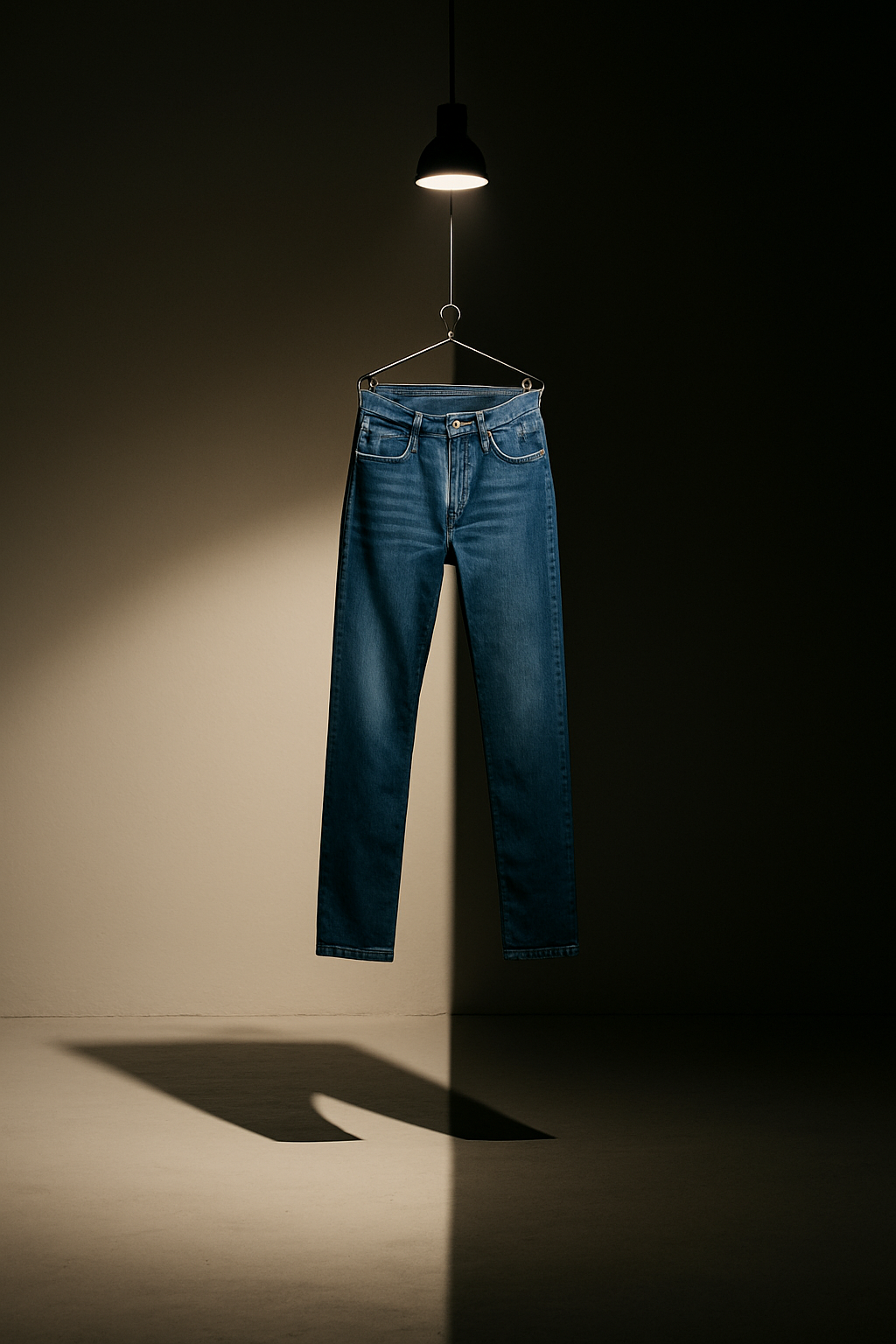
Sydney Sweeney has finally broken her silence on the American Eagle “great jeans” campaign that turned a denim spot into one of 2025’s strangest culture-war flashpoints. In a new interview, she says staying quiet on the controversy has “widened the divide” and stresses that she rejects the extremist views some people tied to the ad.
The Sydney Sweeney jeans advert – built around the pun “Sydney Sweeney has great jeans/genes” – has been praised as clever, sexy marketing and condemned as a dog whistle about white “genetic” superiority. What began as a glossy denim campaign has ended up tangled in US partisan politics, debates over race, and arguments about how much meaning can be packed into a 30-second spot.
Right-leaning commentators have framed the backlash as proof that progressives see bigotry everywhere, celebrating Sweeney as a kind of culture-war heroine. Critics on the left, including some academics, say the ad leans on imagery and language that echo eugenics and old ideas about ideal white bodies.
This piece looks at how the Sydney Sweeney jeans advert became a lightning rod, what Sweeney’s new comments actually add, and what the episode reveals about the way brands, celebrities, and partisan media now turn even jeans into political symbols.
The story turns on whether a denim ad was simply cheeky marketing or a subtle dog whistle in a polarized culture war.
Key Points
Sydney Sweeney’s American Eagle “Sydney Sweeney Has Great Jeans” campaign launched in July 2025 and quickly went viral far beyond fashion circles.
The ad’s wordplay on “jeans/genes” and its focus on a blonde, blue-eyed star sparked accusations that it flirted with eugenics and white-supremacist imagery, which the brand strongly denies.
New comments from Sweeney admit that her previous silence made the divide worse; she says she opposes hate and rejects the ideologies people tried to attach to the campaign.
The controversy became a culture-war talking point: conservative figures mocked supposed “liberal outrage,” while some progressives argued the ad showed how easily racist tropes are repackaged as lifestyle content.
Social-media reaction data suggests early criticism was small and mostly apolitical, then ballooned when partisan influencers amplified it.
American Eagle’s leadership says the campaign drove strong sales and new-customer growth, turning backlash into free exposure even as the brand insisted the ad was “just about the jeans.”
Background
The American Eagle campaign fronted by Sydney Sweeney dropped in late July 2025. The core visual was simple: Sweeney in various denim looks, from relaxed light-wash jeans and a white tee to a more stylized full-denim outfit. The slogan “Sydney Sweeney Has Great Jeans” appeared on billboards, posters, and 3D displays in major US cities.
In one version of the advert, Sweeney gives a short “lesson” about heredity, explaining that genes are passed from parents to children and influence traits like hair color and eye color. She ends with a neat twist: “My jeans are blue.” For some viewers, that was a cute pun on her blue denim and blue eyes. Others saw a pointed reference to “good genes” and the long history of blond, blue-eyed “ideal” types in racist and eugenic propaganda.
Online criticism began with people who were unnerved by the “genes” script and the focus on Sweeney’s appearance. A second wave linked the ad to darker histories, arguing that even unintentional echoes of eugenics are irresponsible in a mass-market campaign. Some posts explicitly compared the spot to old propaganda images.
Around the same time, Sweeney’s Republican voter registration in Florida resurfaced, reinforcing for some that she was a natural fit for a brand of “all-American” conservatism. Public figures on the right rushed to defend the ad, portraying its critics as hysterical. Politicians weighed in. One of the most discussed moments was when Donald Trump praised Sweeney and called it the hottest ad running, a comment that coincided with a jump in American Eagle’s stock price.
Inside American Eagle, executives publicly backed the campaign. The company described it as its most expensive marketing push to date, complete with 3D billboards and large-format digital activations. Later commentary from leadership framed the controversy as a risk the brand was willing to take, stressing that the ads led to increased customer awareness, foot traffic, and denim sales.
Sweeney, meanwhile, mostly kept to a short line in early interviews: when she had something to say, she would say it. That changed this week, when she said publicly that her silence had deepened divides, insisted she does not support the ideologies some people attached to the ad, and described the whole episode as a surprise for someone who thought she was simply endorsing a favorite pair of jeans.
Analysis
Political and Geopolitical Dimensions
On its face, the Sydney Sweeney jeans advert is about fashion. But in the current US climate, images of whiteness, femininity, and “all-American” beauty rarely stay neutral for long.
Conservative commentators used the ad as a staging ground for arguments about “woke mobs” and “cancel culture.” They portrayed criticism as proof that the left wants to police even innocent puns and punish attractive women for being conventionally beautiful.
Critics on the left argued that the issue was how cultural power works. Choosing a blonde, blue-eyed star and framing her “genes” as special fits, in their view, into a long lineage of imagery that elevates certain bodies as the norm. They stressed that the concern wasn’t Sweeney herself but the resonance of the aesthetic and language used around her.
Sweeney’s new comments complicate both narratives. By saying she opposes hate and regrets staying silent, she distances herself from the most extreme interpretations while acknowledging that public figures cannot float above political fights when their image is fuelling them.
Economic and Market Impact
From a business perspective, the campaign has already done what many brand chiefs dream of: it turned a jeans advert into a global talking point.
American Eagle executives have described the Sweeney partnership as a major commercial win, crediting it with a surge in brand awareness, new customer acquisition, and a lift in denim sales. The campaign was already marketed as a major investment, supported by out-of-home displays, social activations, and high-production video shoots.
The controversy brought something money cannot easily buy: waves of unpaid attention and endless online debate. There is risk here. If a campaign becomes too aligned with a political side, it can alienate the other. But so far, the brand seems to believe the upside outweighs the cost of being drawn into another culture-war skirmish.
For Sweeney, the calculation is more delicate. She is a rising star with multiple projects and endorsements. Being the face of a politicised ad brings visibility, but it also risks overshadowing her work. Her decision to speak now suggests an attempt to define herself rather than let others define her.
Social and Cultural Fallout
The deeper collision is between internet culture, celebrity culture, and how identity politics now play out through branding.
Plenty of viewers saw the ad as fun and flirty. Others turned it into parody, creating memes and riffing on the “great genes” idea for their own communities. Some remixes were playful. Others were sharp critiques of who gets celebrated as having “great genes” in the first place.
At the same time, social-media analysis suggests that the idea of a vast progressive “meltdown” was overstated. Early criticism came from a small set of users. The discussion ballooned only after partisan commentators amplified those posts, reframing them as a broader cultural battle.
Sweeney’s jeans advert shows how even small sparks become firestorms once they collide with the incentive structures of online life.
What Most Coverage Misses
A narrow debate asks whether the Sydney Sweeney jeans advert is “secretly extremist” or “just an ad.” That framing misses the structural forces at play.
First, attention economics rewards content that feels slightly provocative. Campaigns that seem daring or edgy cut through oversaturated markets. When brands sign off on wordplay like “great genes” around a star whose image carries specific historical and cultural resonance, they are not always courting controversy – but they know the upside if it arrives.
Second, the reaction exposes gaps in representation within creative teams. A slogan that feels harmless to one group can land very differently for communities with specific historical memories. Those blind spots explain why similar controversies keep recurring.
Third, Sweeney’s experience highlights an under-discussed pressure: celebrities are expected to act as both performers and political actors. As campaigns turn stars into co-creators, the line between endorsing a product and endorsing an ideology becomes harder to maintain.
Why This Matters
The affair may look trivial, but it sits at the intersection of politics, identity, marketing, and celebrity culture.
For politics, it shows how consumer choices and advertising imagery are now dragged into ideological battles. Classic denim becomes a symbol, not just a product.
For companies, it’s a case study. Culture-war exposure can deliver huge reach, but it also risks long-term brand damage. Other retailers will now rethink how they balance bold creative against unintended political signals.
For audiences, the controversy raises questions about interpretation. How much should anyone read into a pun? When does symbolism matter, and who decides?
Upcoming events include American Eagle’s next quarterly updates, new campaigns the brand launches to shift the narrative, and Sweeney’s own press rounds, where questions about the ad will follow her.
Impact
A college student in Ohio
A 19-year-old student who shops at American Eagle now sees the brand tied to arguments about race and ideology. She might still buy the jeans, choose something quieter, or switch retailers, but she is newly aware of how political consumer choices appear online.
A marketing manager in London
A fashion-chain marketer uses the campaign in a meeting as both inspiration and warning. The advert becomes shorthand for work that is bold but risky.
A young actor in Los Angeles
A rising performer watches the fallout and considers future endorsement deals more carefully. Brand partnerships are valuable, but the political baggage is real.
A social-media manager at a global brand
A campaign lead studies the amplification loop that turned scattered criticism into a national debate. Future crisis plans are updated to reflect how quickly narratives can escalate.
Culture Wars
The fight over Sydney Sweeney’s culture-war jeans advert is not about a single pun. It is about how beauty, race, nostalgia, and politics intertwine in an era when online ecosystems amplify outrage faster than any company can control.
Sweeney’s new comments are a turning point. By breaking her silence, she repositions herself while distancing her brand from the narratives others built around her. American Eagle seems eager to move on, still insisting the campaign was about denim.
The next chapter depends on what brands learn. If they treat this as proof that provocation always pays, more adverts will lean into edgy symbolism. If they see it as a cautionary tale, creative teams may rethink how they play with language, heritage, and appearance.
What happens in the next round of major fashion campaigns will show which lesson stuck.
