Science News, Discoveries & Research Explained
Explore discoveries and questions across space, biology, psychology, health and the natural world. Our science articles explain what researchers found, how they investigated it and what the results can—and cannot—tell us. Browse new developments alongside accessible guides to the scientific ideas that help explain ourselves and the universe.

Novo’s Experimental Weight-Loss Drug Delivers 25% Average Loss in Women, Analysis Finds
Novo Nordisk says women receiving experimental CagriSema lost an average of 25 per cent of their weight after 68 weeks. A later analysis also examined responses across menopause stages. The results are substantial, but understanding the original trial, statistical assumptions and side effects is essential to judging what they mean.
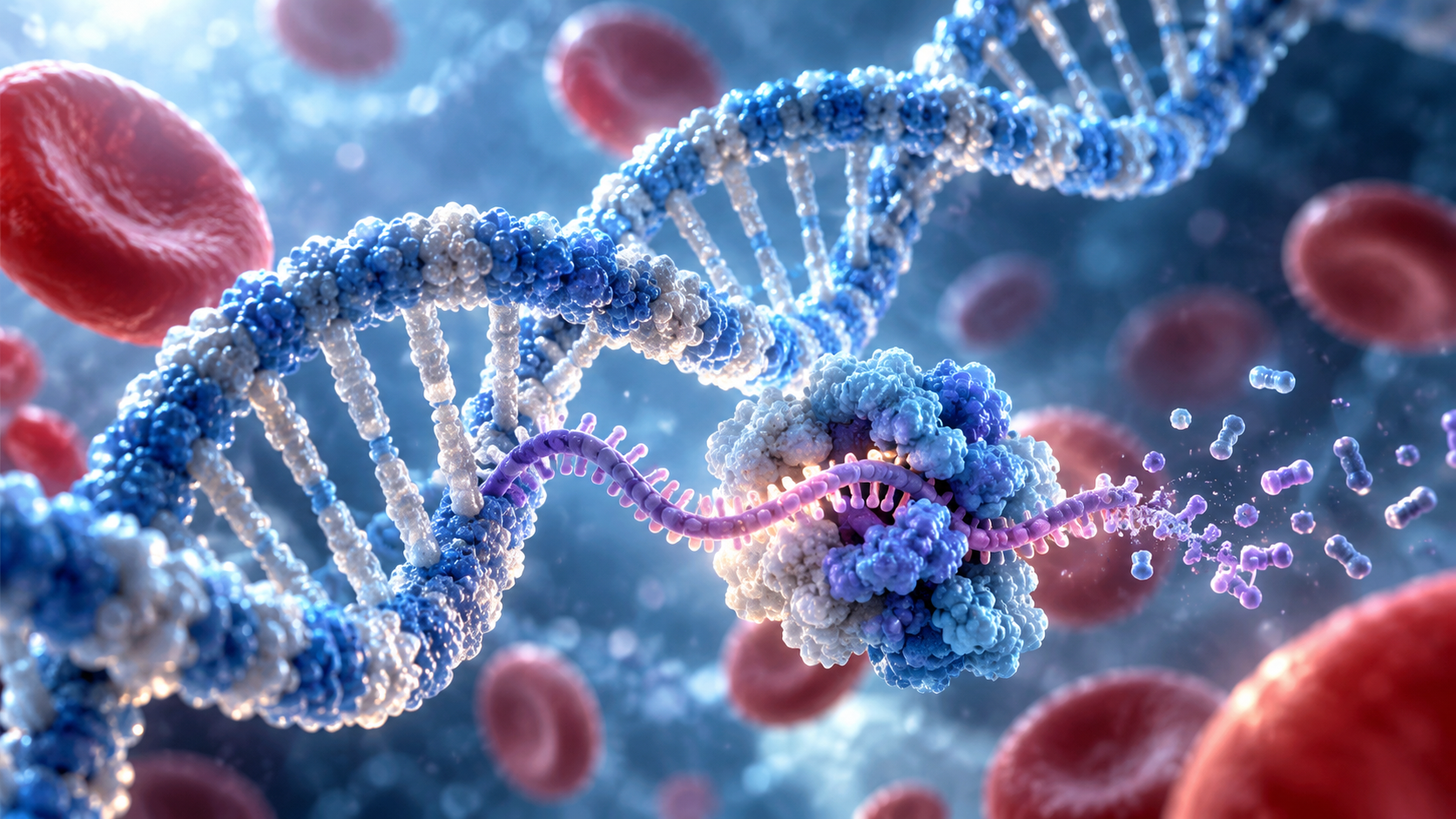
Merck’s $1.3 Billion Gene-Silencing Deal: The Medicines That Could Change Patients’ Lives
Merck KGaA has agreed to buy Silence Therapeutics for approximately $1.3 billion. Its lead medicine could reduce blood-removal procedures for people with polycythaemia vera, while zerlasiran targets an inherited cardiovascular risk factor. The clinical results explain the interest, but effective disease control, prevention and a cure remain different claims requiring different evidence.
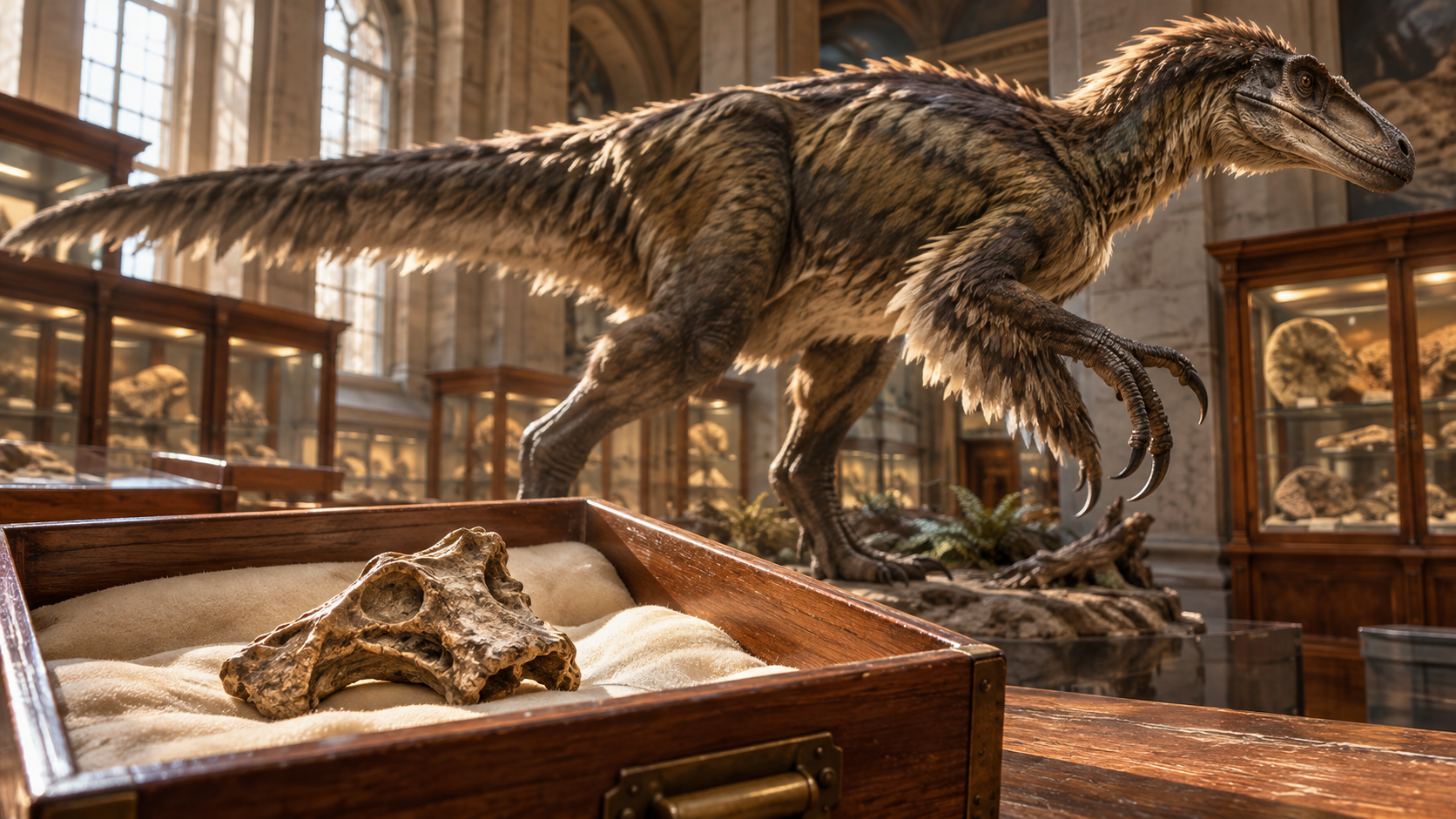
New Dinosaur Hidden in Museum Collection for a Century Reveals Europe’s First Megaraptoran
Invictibellatrix amberina has been identified from an Isle of Wight skull fragment acquired by the Natural History Museum in 1924. The new dinosaur adds a European presence to the megaraptoran fossil record. Its identification also shows how researchers separate preserved anatomy from estimates of an extinct animal’s appearance and behaviour.
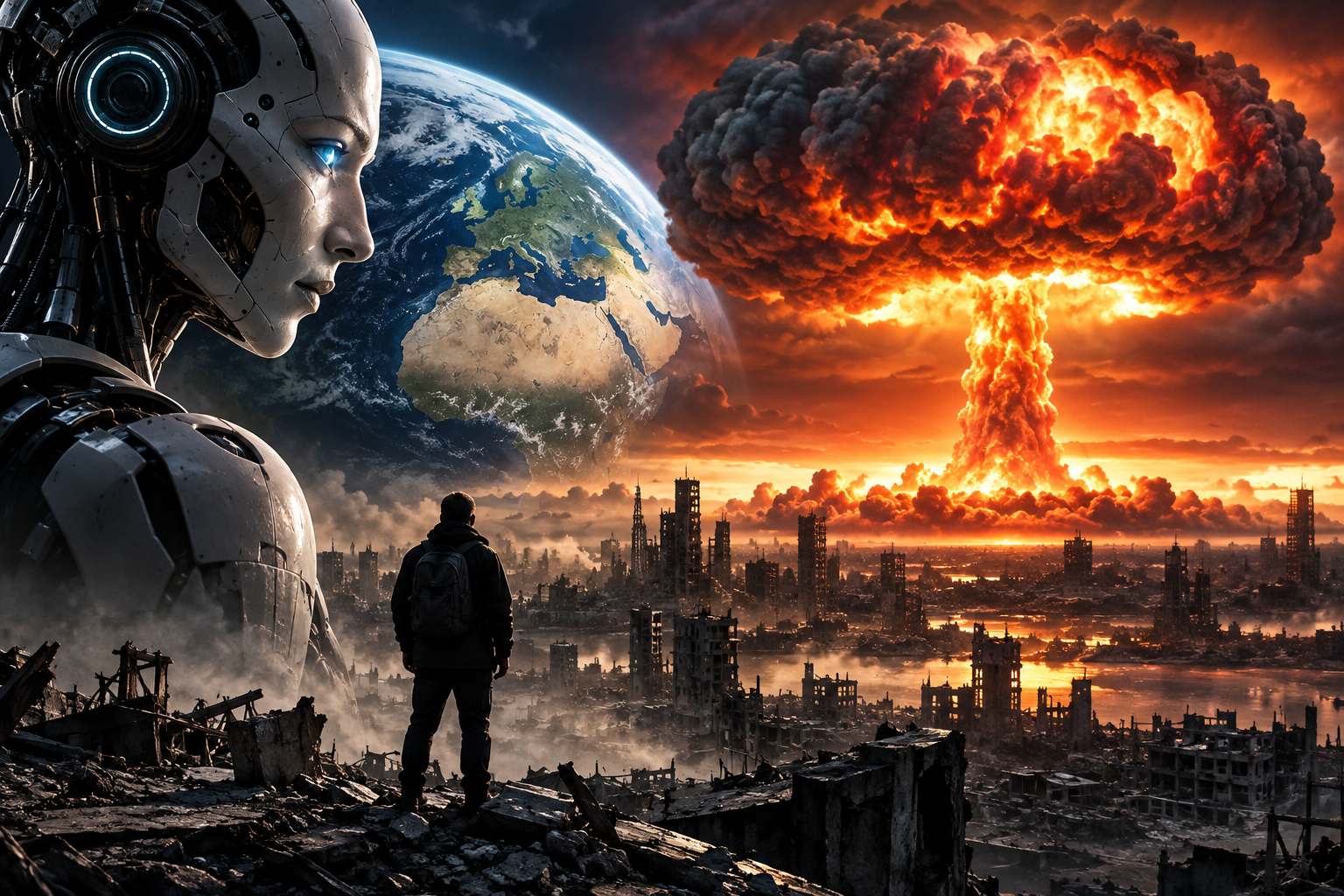
Humanity Faces Extinction Threat From AI Bioweapons And Nuclear War As Scientists Identify 17 Catastrophic Global Dangers
Scientists have warned that nuclear war and the malicious use of artificial intelligence could threaten human extinction by 2100. A major Lancet assessment identifies 17 catastrophic global threats, including AI-enabled biological weapons, nuclear famine, climate change and pandemics. The findings reveal the potential scale of future disasters and the measures governments could take to prevent them.
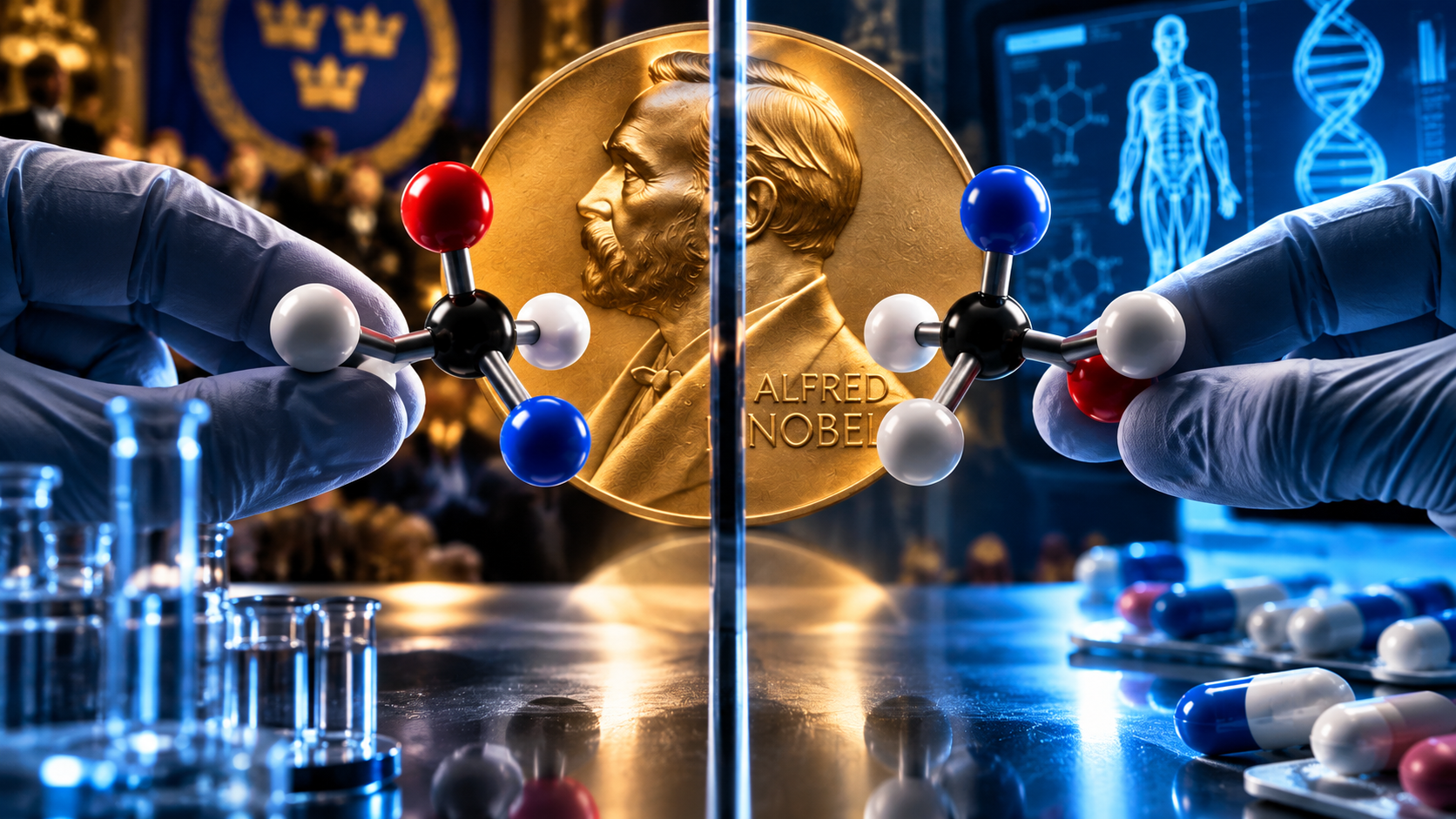
Scientists Win Nobel Prize For “Mirror-Image” Molecule Breakthrough That Could Transform Medicine
Henri Kagan and Kenso Soai have won the 2026 Nobel Prize in Chemistry for groundbreaking research into molecular “handedness”. Here’s what their discovery means, why mirror-image molecules matter for medicines, and whether the science could even help explain one of the mysteries of life.

World Could Breach Crucial 1.5°C Climate Limit ‘Within Years’ As Pacific Nations Sound Alarm
The world is rapidly approaching one of the most important thresholds in modern climate science.
With global temperatures increasingly likely to temporarily exceed 1.5°C above pre-industrial levels — and long-term warming moving closer to the same threshold — this Taylor Tailored explainer examines what 1.5°C actually means, what happens if the world overshoots it and why Pacific island nations face some of the most immediate consequences.
Drawing on projections from the World Meteorological Organization, the Intergovernmental Panel on Climate Change and United Nations climate assessments, the analysis explores the potential timeline through 2030, 2050 and 2100, including sea-level rise, extreme coastal flooding, coral loss, freshwater contamination and climate-driven displacement.
It also separates one of the most commonly misunderstood aspects of the climate debate: temporarily exceeding 1.5°C in an individual year is not the same as permanently breaching the Paris Agreement's long-term temperature goal.
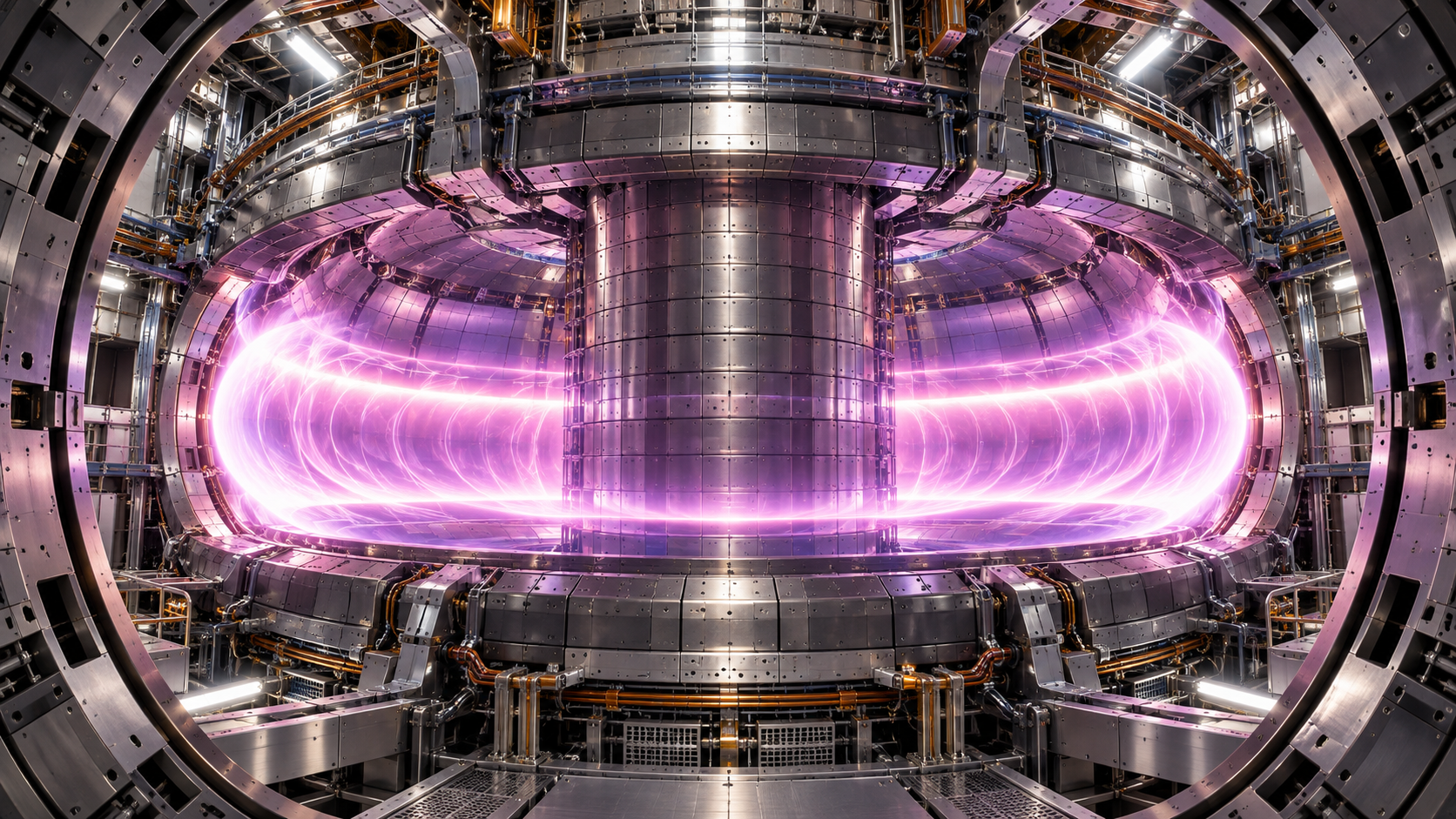
Why Are Scientists Trying To Achieve Nuclear Fusion — And What Would Success Actually Change?
Nuclear fusion could provide dependable low-carbon electricity, but producing a reaction is only part of the challenge. A working power station must manage fuel, heat, damaged materials and its own energy demand. Explore what success could mean for industry, water, energy security and climate action, without assuming electricity or resources would become free.
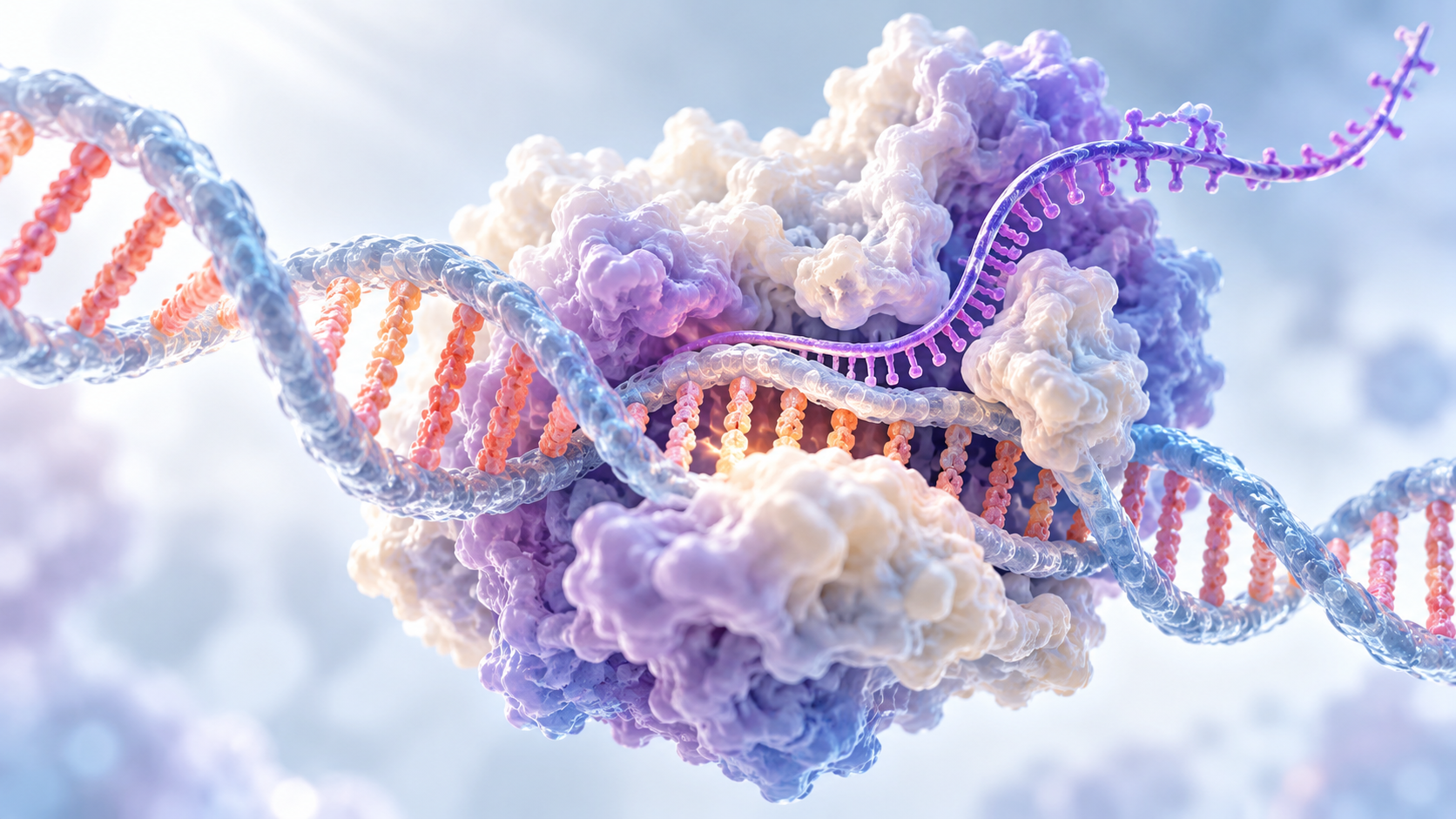
Why Is CRISPR Such A Revolutionary Discovery — And How Far Could Gene Editing Go?
CRISPR made targeted genetic changes easier to design and has already become part of an approved treatment. Its wider promise reaches from inherited disorders to agriculture, but editing DNA is only the beginning. Delivery, safety, access and public consent will determine how far gene editing can responsibly go and who benefits from its progress.
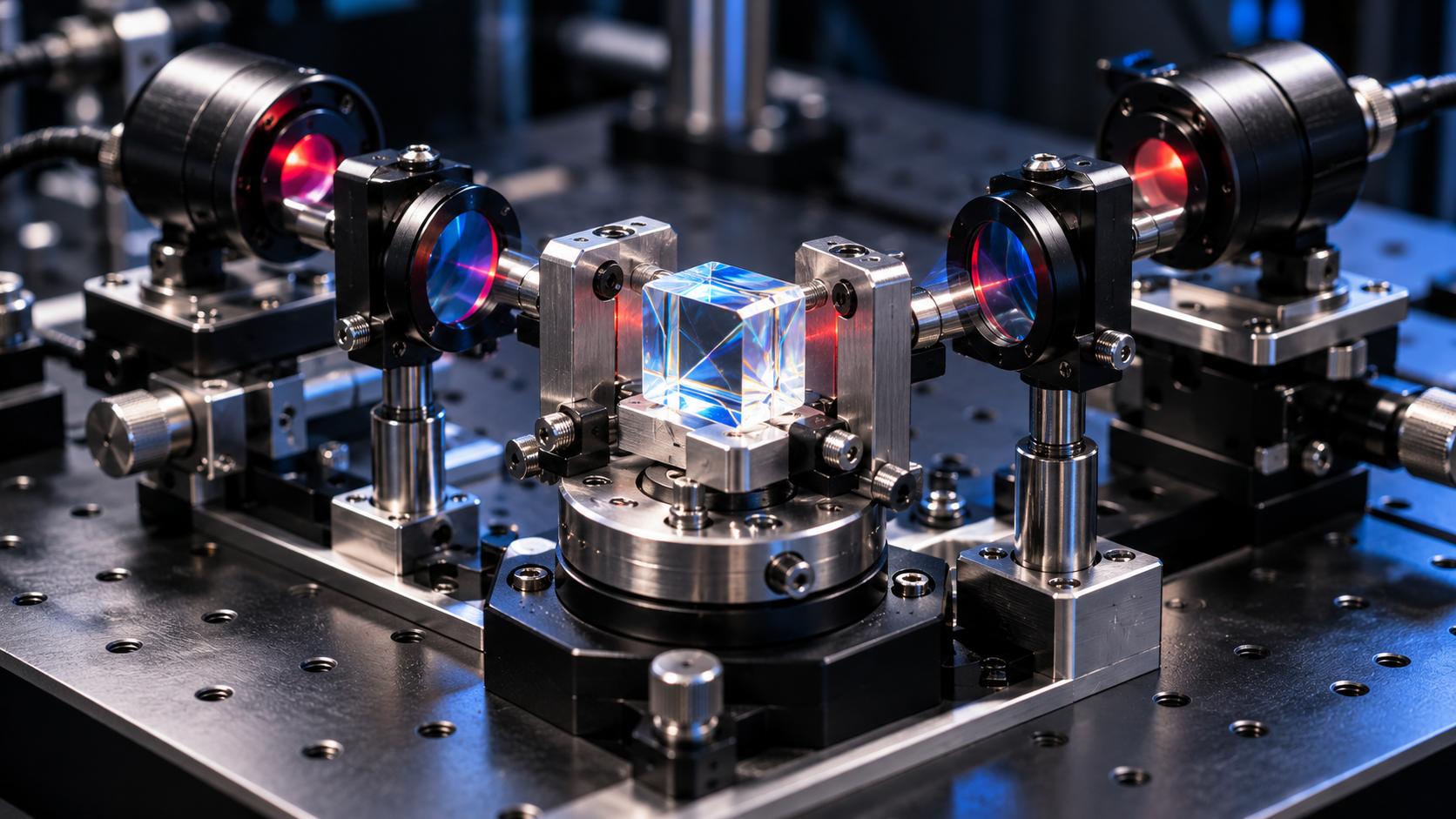
Why Is Quantum Entanglement So Important — And Could It Transform Computing And Communication?
Quantum entanglement is an experimentally tested feature of nature and a resource for new technology. Its promise reaches into computing, communication and precision measurement, but its limits matter just as much. Understand Bell tests, quantum teleportation, error correction and the difference between a useful quantum network and the myth of instant communication.
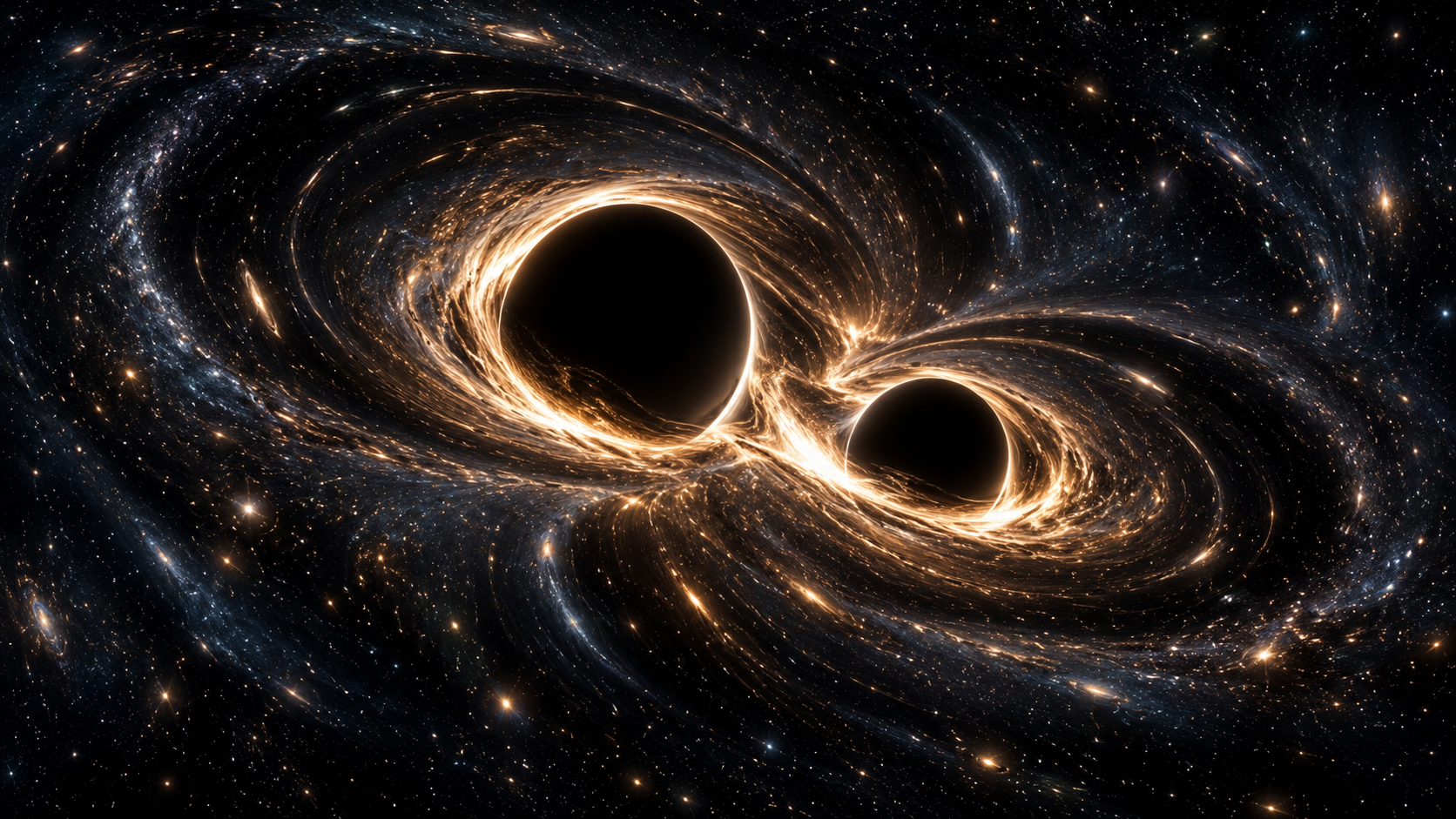
Why Were Gravitational Waves Such A Huge Discovery — And What Could They Allow Us To Discover?
Gravitational waves gave astronomers a new way to observe the universe through gravity itself. From merging black holes to the dense interiors of neutron stars, their signals carry information light cannot fully provide. Discover how the measurements work, what scientists have established and which ambitious questions future observatories could help answer.
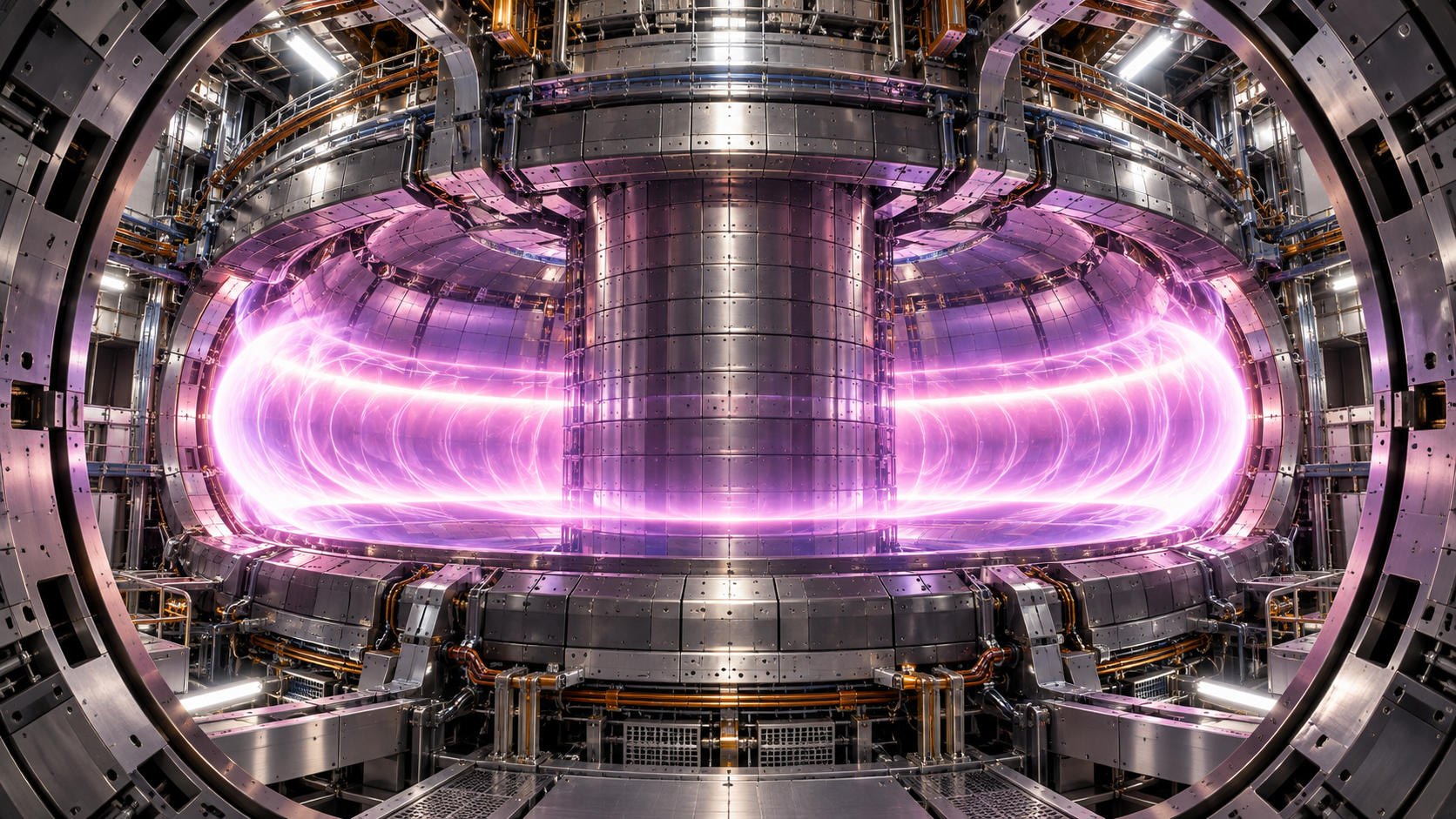
Why Was The Higgs Boson Such A Huge Discovery — And What Could It Lead To?
The Higgs boson confirmed a crucial explanation for the masses of fundamental particles. Its discovery also gave physicists a new way to test the Standard Model, investigate the early universe and search for hidden particles. Here is what the Higgs really explains, what it leaves unanswered and why technological promises need careful scrutiny.
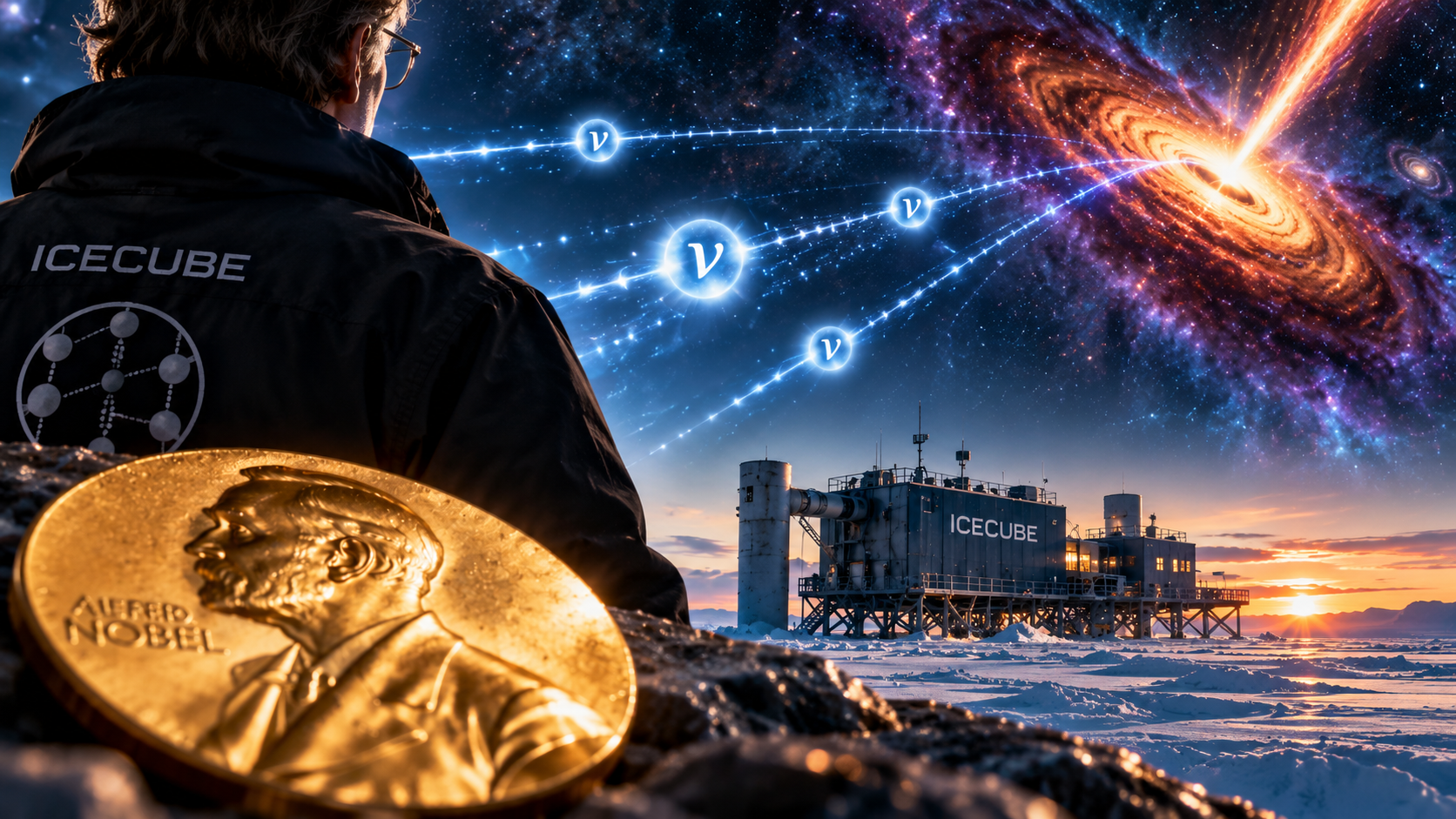
The ‘Ghost Particle’ Scientist Has Won The 2026 Nobel Physics Prize — And His Discovery Could Open A New Window On The Universe
Francis Halzen has won the 2026 Nobel Prize in Physics for work that turned elusive neutrinos into a new tool for astronomy. IceCube uses Antarctic ice to detect these “ghost particles”, opening new ways to study black holes, stellar explosions and the hidden structure of Earth. Here is how it works and what could come next.
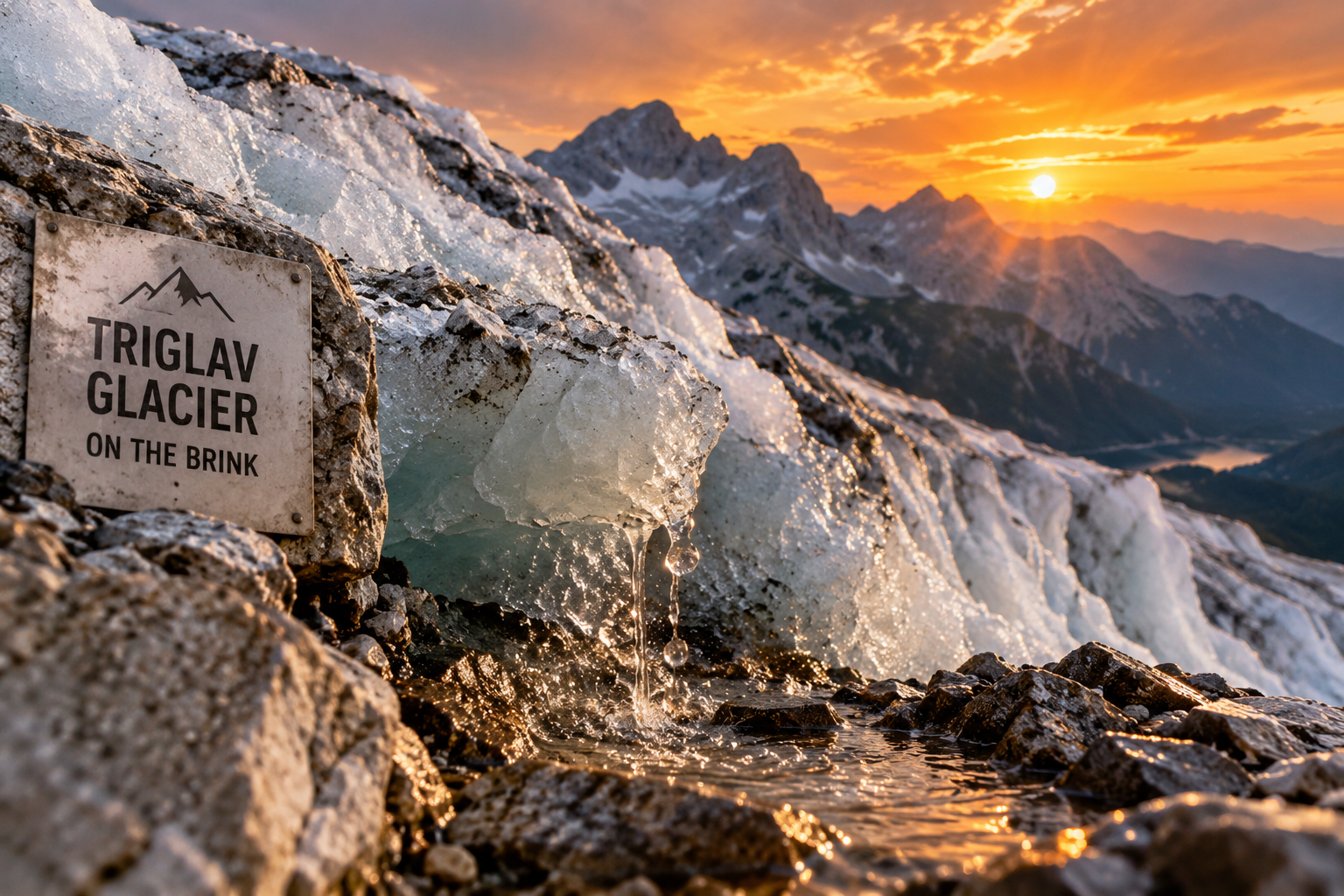
European Glacier Could Vanish Within Days As Scientists Warn The Ice Has Reached Its End
Slovenia’s Triglav Glacier could disappear within days after shrinking from roughly 14 hectares in 1946 to scattered patches of ice. Its final melt is unlikely to trigger a sudden flood, but the loss reveals a much larger Alpine problem involving declining snow, shrinking water reserves and rapidly retreating glaciers across Europe.
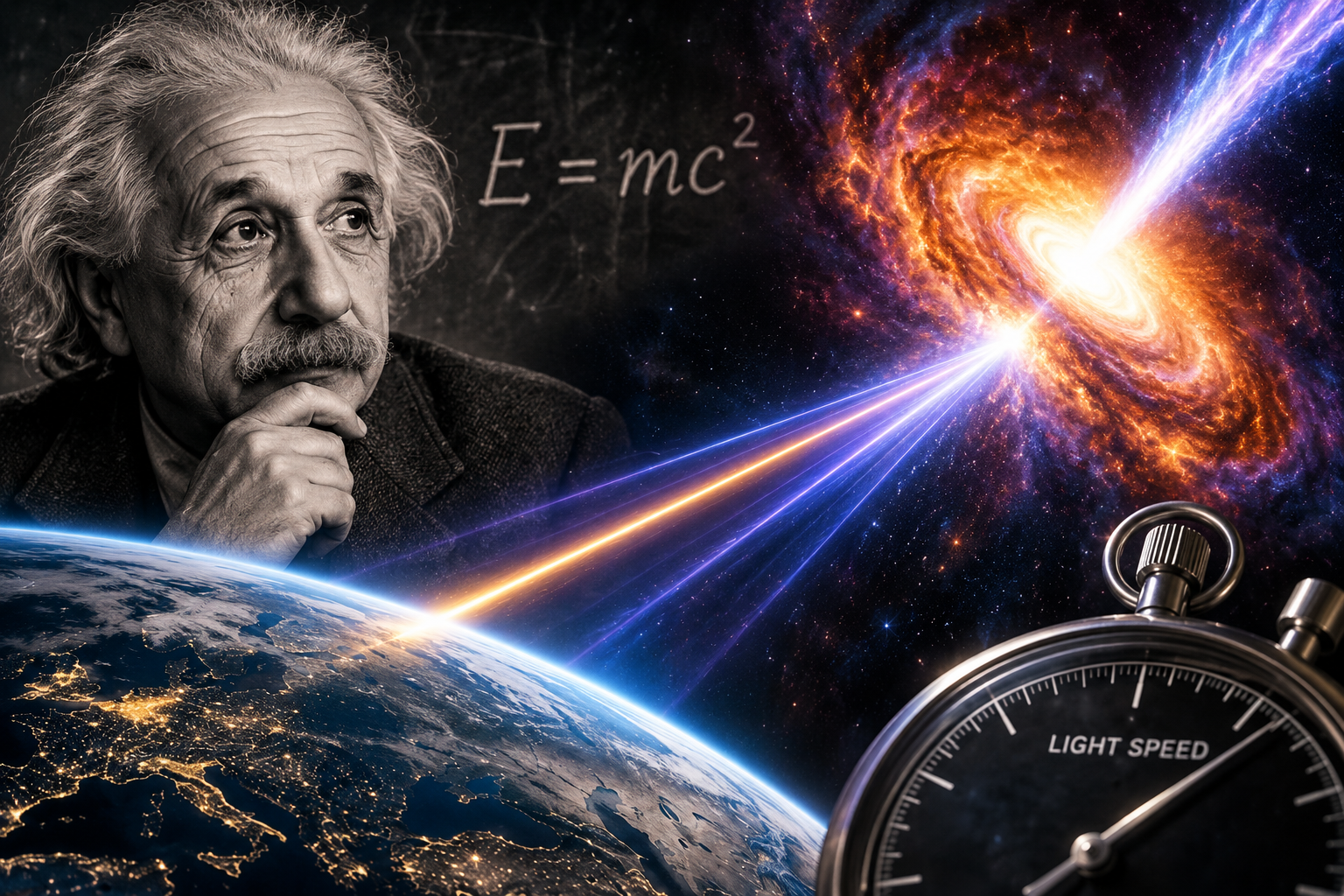
Cosmic Gamma Rays Put Einstein’s Light-Speed Rule Through an Even Tougher Test
Gamma rays from the extraordinary burst GRB 221009A have travelled across the Universe without revealing a convincing energy-dependent change in the speed of light. New timing analysis places severe limits on some proposed violations of Lorentz invariance, narrowing the space available for theories that try to connect quantum physics with the structure of spacetime.
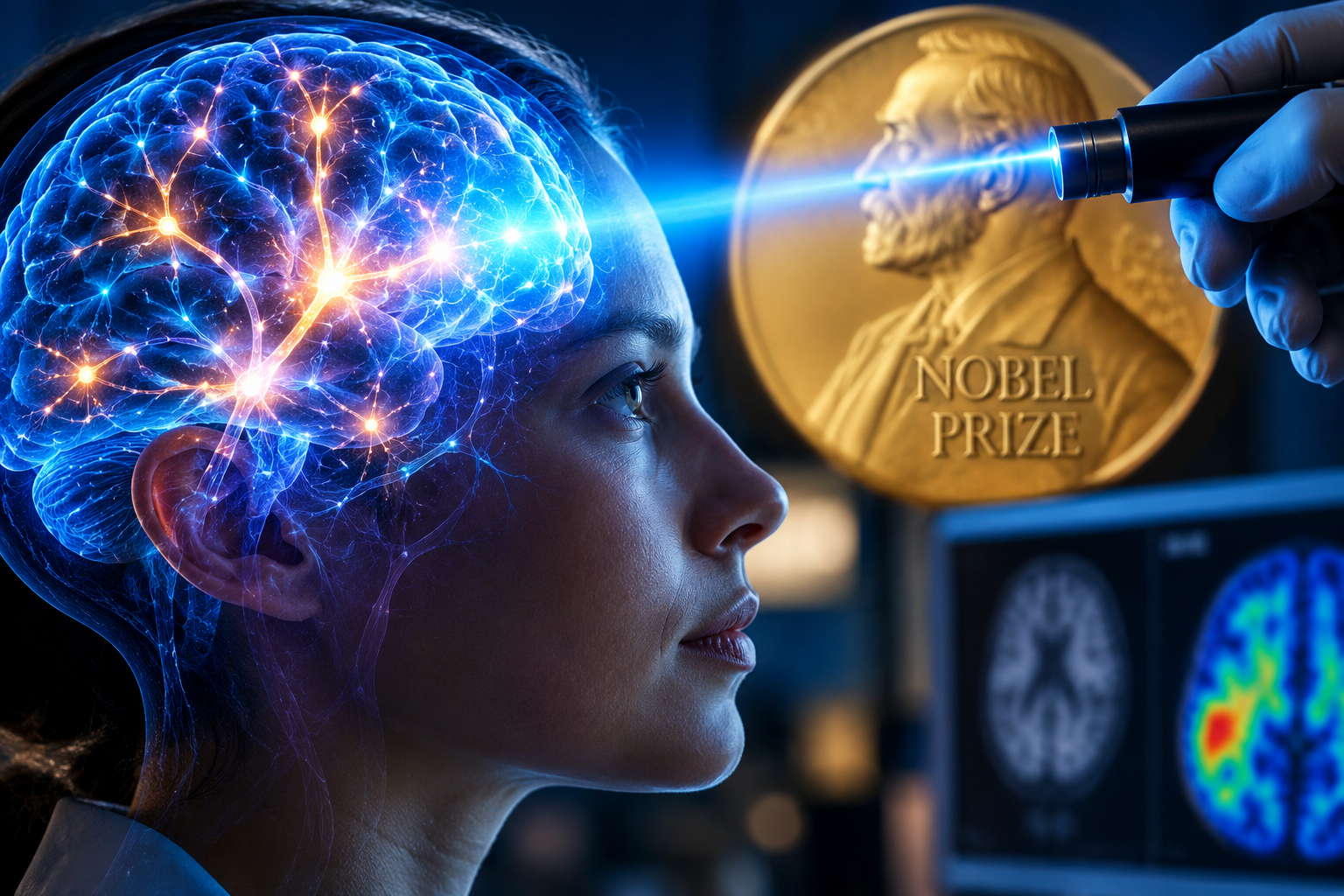
Nobel Prize Goes To Scientists Who Learned To Control Brain Cells With Light
Karl Deisseroth, Peter Hegemann and Georg Nagel have won the 2026 Nobel Prize in Physiology or Medicine for discoveries behind optogenetics. Their work transformed a light-sensitive protein from algae into a tool that lets scientists activate selected nerve cells with extraordinary precision, changing how researchers investigate memory, behaviour and brain circuitry.
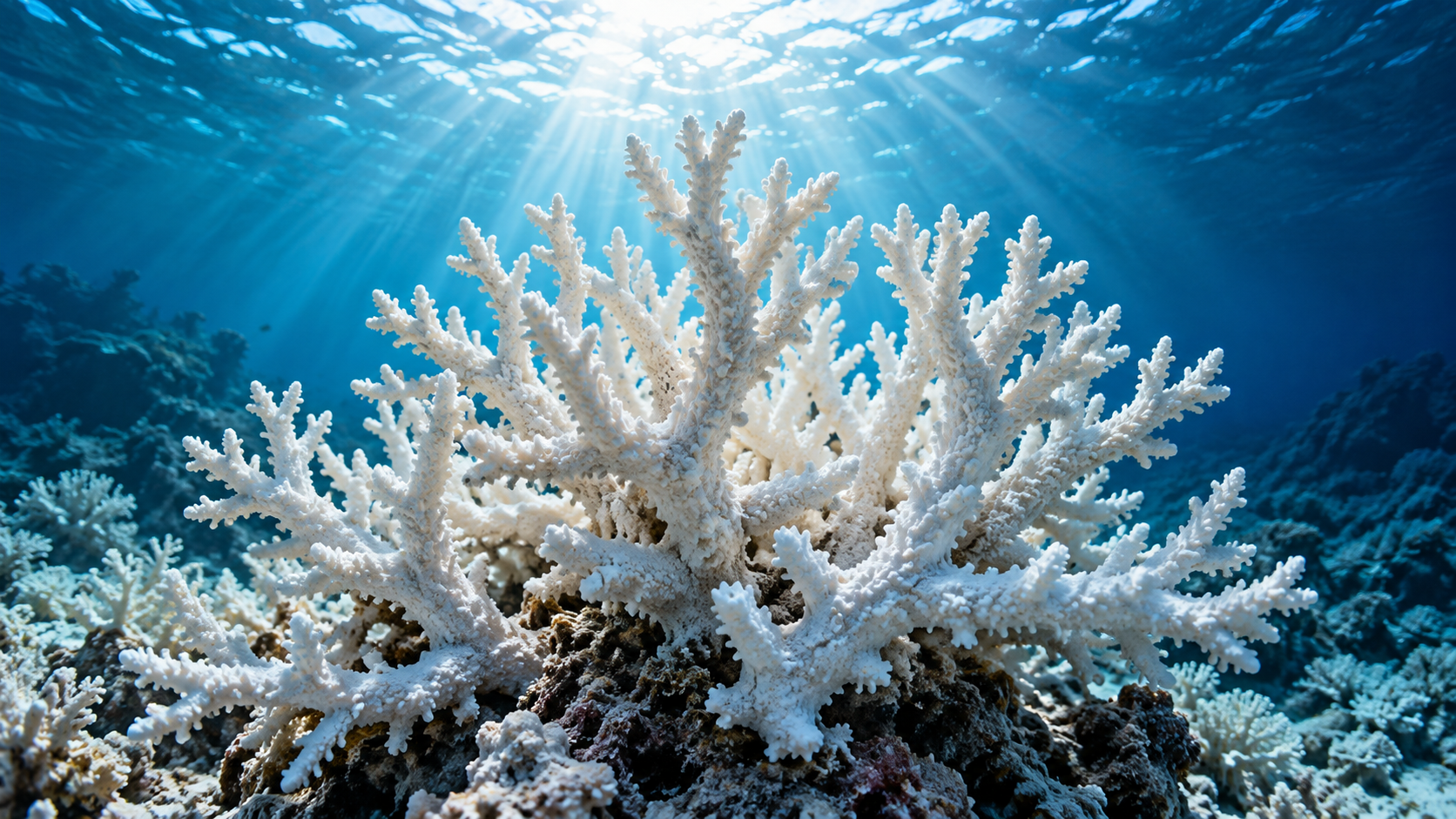
What Happens If The Oceans Keep Getting Hotter? The Future Of Sea Levels, Hurricanes And The World’s Coastlines
Hotter oceans affect far more than water temperature. We explain sea-level rise, storm hazards, marine heatwaves and coastal adaptation, with clear distinctions between global projections, local risk and the choices that still matter.
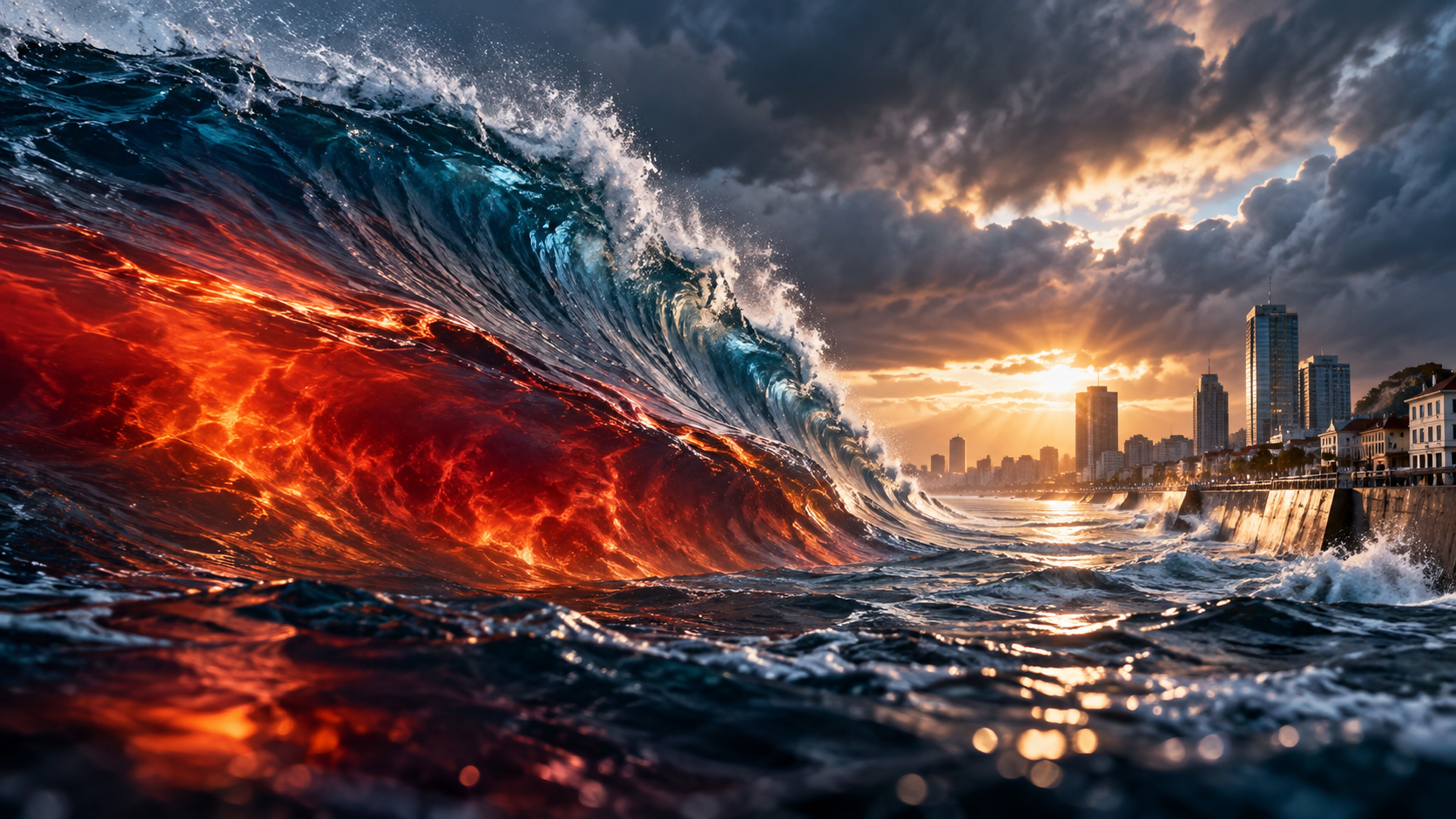
World’s Oceans Absorbed A Record Amount Of Heat — What Happens Next Could Reshape Coastlines
The world’s oceans gained about 23 zettajoules of heat in 2025, setting another record for ocean heat content. The figure reveals how much energy is still accumulating in the climate system. We explain what that means for global warming, rising seas, vulnerable coastlines and the range of sea-level projections through 2050, 2100 and beyond.
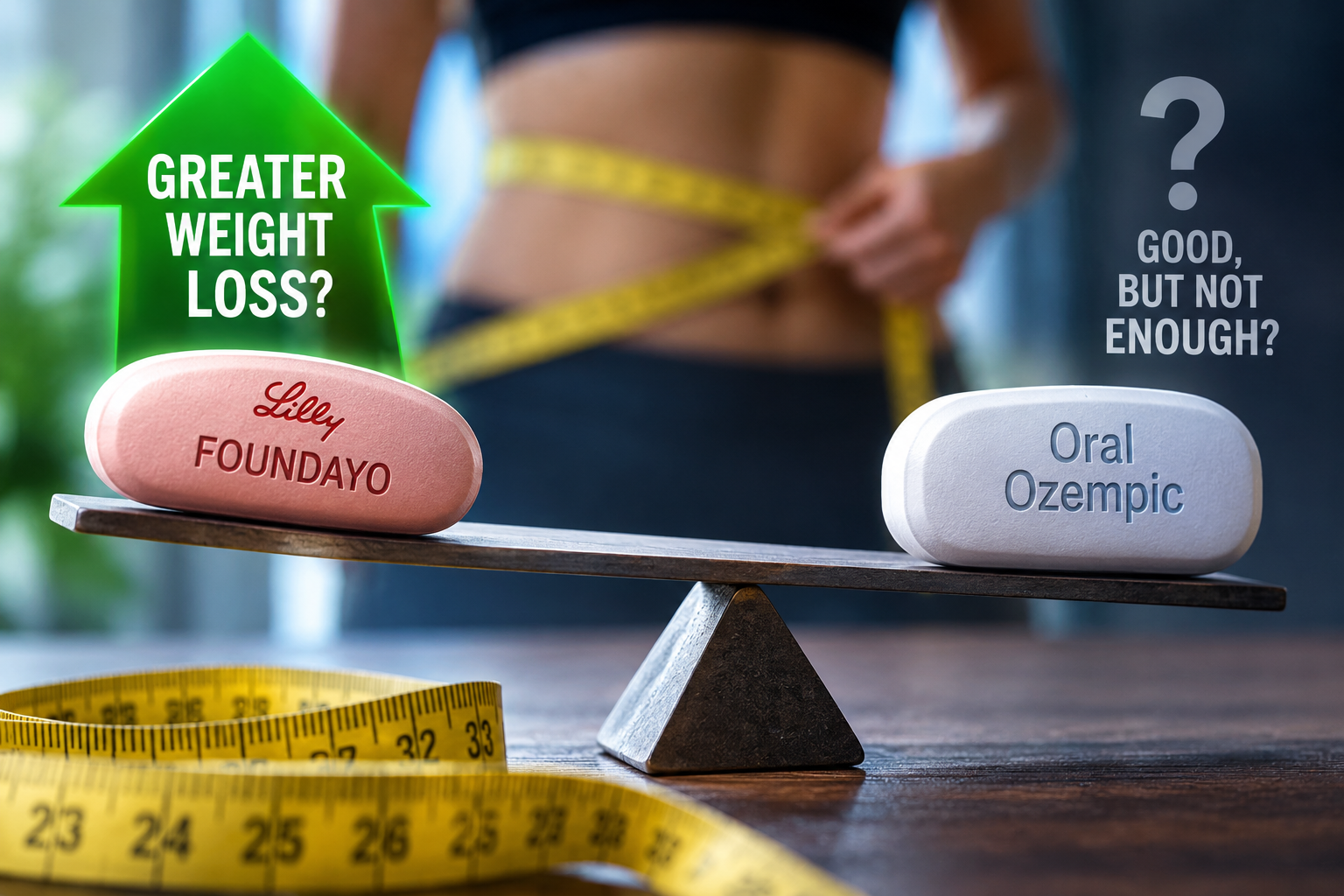
Lilly Says Its New Obesity Pill Beat High-Dose Oral Semaglutide — But The Comparison Has A Catch
Eli Lilly says its once-daily obesity pill Foundayo produced greater weight loss and better blood-sugar control than 25 mg oral semaglutide in adults with type 2 diabetes. The result strengthens Lilly’s position in the oral GLP-1 race, but it came from an indirect comparison of separate clinical trials rather than a direct randomised test.
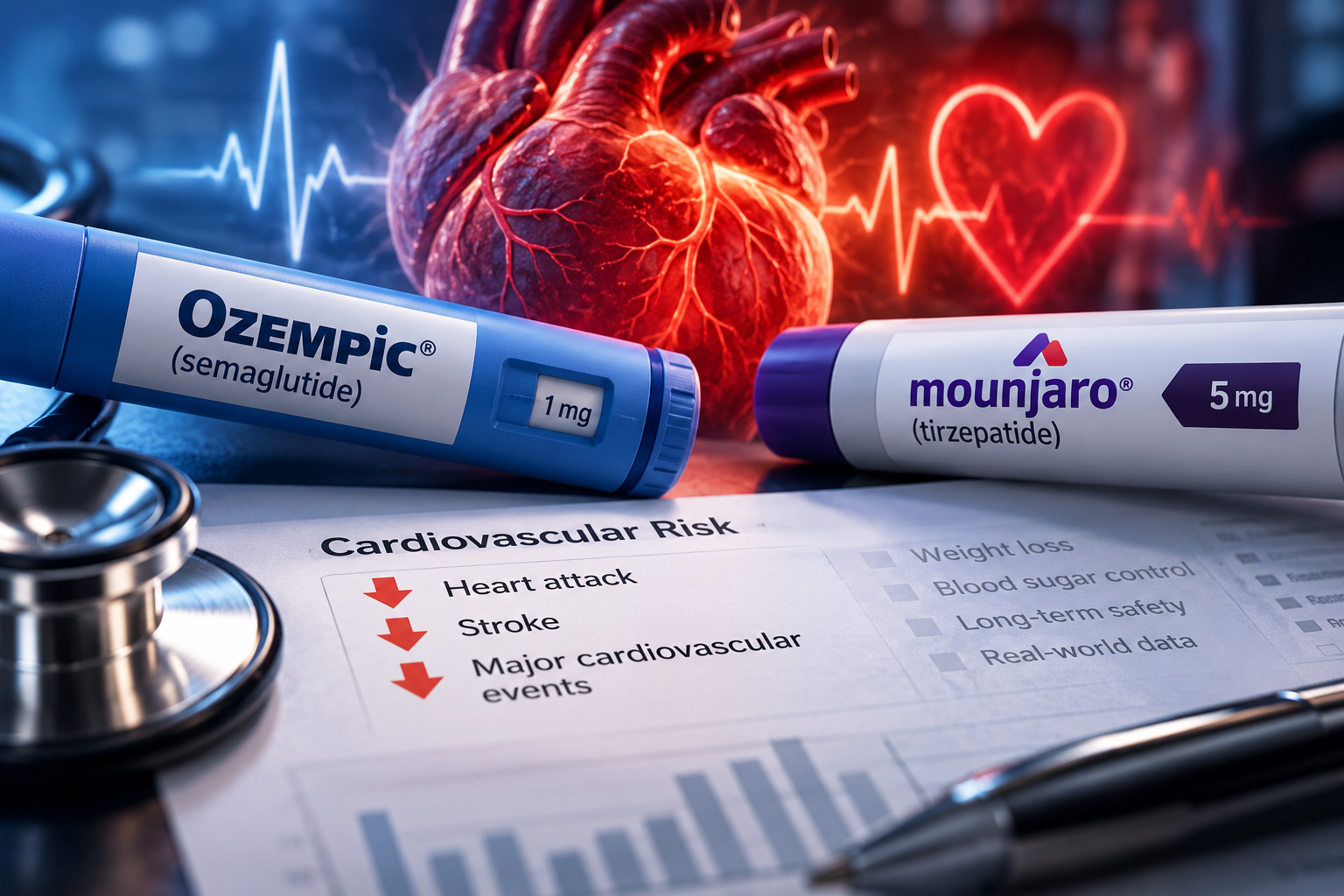
Ozempic Linked To Lower Cardiovascular Risk Than Mounjaro In Huge New Real-World Study
Ozempic has been linked to a modestly lower risk of major cardiovascular events than switching to Mounjaro in a huge real-world study of adults with type 2 diabetes. The 6 per cent difference is statistically significant, but the study was observational, and other recent comparisons have produced different results. Here is what the evidence actually shows.

What Happens To A Body After Death? The Forensic Timeline, Explained Carefully
The biological sequence is real. The exact timetable varies. Here is what forensic changes reveal—and why they do not identify a universal hour of death.