
Film Summaries, Endings Explained & Analysis
Explore film plots, endings, themes and the choices that give key scenes their meaning. Our summaries and analyses examine character motivations, storytelling and the relationship between screen stories and real events. Browse individual films and documentaries for a deeper understanding of what happens and why it matters. Detailed analyses may contain spoilers.

Get Out Explained: Chris, the Sunken Place and the Meaning of the Ending
A weekend with his girlfriend’s parents leaves Chris Washington questioning every reassuring smile. This summary and analysis of Jordan Peele’s Get Out follows the film’s discoveries in order, examining the Sunken Place, its carefully planted clues and the meaning of the final scene. A spoiler-safe opening leads into a full discussion of the story and ending.

The Substance Explained: Elisabeth, Sue and the Meaning of the Ending
Elisabeth Sparkle is offered a younger version of herself, provided each body receives exactly seven days. Coralie Fargeat’s The Substance turns that bargain into a brutal conflict over beauty, attention and the right to exist. This summary and analysis follows Elisabeth and Sue through the treatment’s rules, their escalating rivalry and the film’s extraordinary ending.

Digger Explained: Tom Cruise’s Oil Billionaire, the Big Twist and the Meaning of the Ending
An oil billionaire wants to become humanity’s saviour after unleashing an environmental catastrophe. But Alejandro González Iñárritu’s Digger gradually changes the terms of that story. This detailed summary and analysis follows Tom Cruise’s character through the film’s major developments, explaining its shifting perspectives, questions of responsibility and unsettling conclusion. Contains full plot and ending spoilers.

The 10 Greatest Horror Films Ranked: The Masterpieces That Changed What We Fear
What makes a horror film truly great—and which deserves the number-one spot?
We count down ten extraordinary horror films, comparing critics’ scores, expert rankings and lasting influence. From Night of the Living Dead and Get Out to Alien, The Exorcist and Psycho, discover the performances, unsettling ideas and filmmaking decisions that made them unforgettable.
We also explore the controversies: censorship battles, disputed adaptations, difficult productions and the critical backlash that preceded some films’ recognition as classics.
Plus, honourable mentions for the masterpieces that narrowly missed the list.

10 Horror Films With Disturbing Real Origins — And The ‘Curses’ That Followed Their Casts
Horror films based on real life can borrow from murder cases, unexplained deaths or disputed accounts of haunting. This countdown traces ten films to their origins, distinguishes historical violence from invented scenes, and examines the fires, injuries, deaths and personal experiences behind the alleged curses of The Exorcist, The Omen, Poltergeist and The Conjuring.
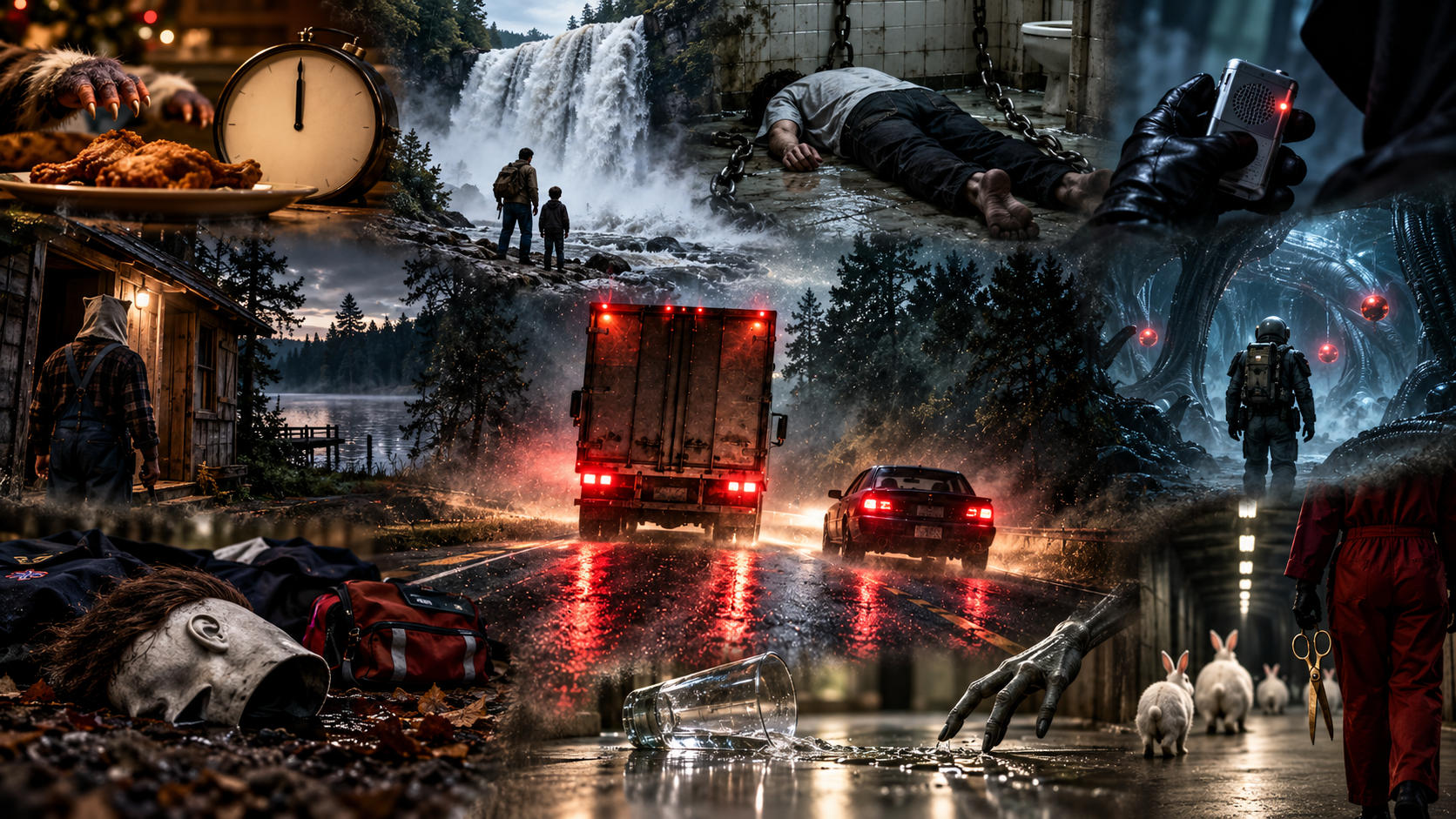
The 10 Biggest Plot Holes in Famous Horror Films, Ranked
Horror film plot holes can weaken a monster’s rules or overturn the logic of an entire ending. This countdown ranks ten major examples, including Signs’ water weakness, Us’s underground population and High Tension’s chase. Each entry considers the strongest defence, separating direct contradictions from missing explanations and unlikely decisions. Full spoilers included.

Misery Explained: Annie Wilkes, Paul Sheldon and the Meaning of the Ending
A novelist’s rescue becomes a nightmare when his biggest fan demands control of his work. Explore Misery’s story, its disturbing portrait of ownership and the meaning of Paul Sheldon’s final return to writing.

Battle Royale Explained: The Program, the Students and the Meaning of the Ending
Forty-two students. One island. A government that permits only one survivor.
Explore Koushun Takami’s Battle Royale, following Shuya, Noriko and Shogo through a system that turns friendship into a dangerous choice. We examine the Program’s rules, Shinji’s resistance, the lighthouse tragedy and the meaning of the novel’s final escape.

Could The Hunger Games Ever Happen? History Makes the Question Harder
Could The Hunger Games ever happen? A compulsory televised death contest remains extraordinarily implausible, but parts of Panem have historical and contemporary parallels. Roman combat, public executions and the recruitment of children reveal how organised cruelty can become normal. The crucial question is whether people retain protection, meaningful consent and the right to refuse.

Dracula Today: Would a Vampire Need a Dating App?
Dracula would not need a dating app, but he could exploit the trust formed between strangers online. This modern interpretation of Bram Stoker’s novel examines invitations, curated profiles, romance fraud and the evidence a contemporary Mina Harker might assemble. It also asks what an adaptation would lose by turning coercion into romance.

The Exorcist in the Age of AI: When Seeing Would No Longer Settle Belief
The Exorcist today would give Regan MacNeil an audience before it gave her answers. This modern reimagining examines how smartphones, disputed footage and competing claims of expertise could reshape the original film, while asking what Chris and Father Karras would need to protect: a child’s safety, privacy and right to a life beyond her ordeal.

Carrie Today: What Happens When the Humiliation Never Stops Going Viral?
Carrie White’s humiliation would not end at the school gates today. Recordings, group chats and reaction videos could give it new audiences, while even sincere defenders might prolong her exposure. This modern reading of Stephen King’s tragedy examines the roles of Chris, Sue and Margaret, and asks what genuine help would require when everyone wants access to the story.

Scream Today: Would Ghostface Kill for Followers?
Scream already made fame a motive for murder through Jill Roberts. A modern retelling could follow the struggle to control a survivor’s story as followers, amateur detectives and devoted fans compete to explain it. This speculative analysis connects the films’ themes with research on online outrage and real voice-cloning risks, without confusing digital attention with a cause of violence.

Could The Purge Ever Happen? History Offers a Darker Warning
Could The Purge ever happen? An annual night of legal crime is extraordinarily implausible, but history contains disturbing examples of governments permitting targeted violence. Roman proscriptions, Kristallnacht, Tulsa and modern extremist networks help distinguish the films’ premise from real risks, while research challenges the claim that releasing aggression would make society safer.

The Social Network Today: What Would Mark Zuckerberg Build in the AI Race?
The Social Network today would follow a different kind of platform: an AI assistant trusted to remember, advise and act. This modern reimagining connects the film’s struggles over friendship and ownership with Meta’s agent ambitions, asking how helpful software changes consent, responsibility and the freedom to leave.

The Matrix Today: What If the Simulation Knew Exactly What You Wanted?
The Matrix today might offer a world too personally rewarding to leave. This speculative analysis uses Cypher’s bargain to examine personalised feeds, agreeable AI and the appeal of simulated intimacy. It asks who chooses which desires are satisfied, what happens when prediction shapes behaviour, and whether an exit means much when leaving costs you the life you value.

Citizen Kane Today: Would Charles Foster Kane Own Your News Feed?
Citizen Kane today could follow a media billionaire who owns the systems deciding what people see. This modern interpretation connects Charles Foster Kane’s newspaper empire to personalised feeds, political influence and AI, then returns to Susan, Leland and Rosebud to explain why controlling attention cannot secure another person’s affection. Includes full spoilers for the 1941 film.

Fight Club Today: Would Tyler Durden Build an Online Following?
Fight Club today could follow a sleepless office worker into an online community promising freedom from consumer culture. This speculative analysis examines how Tyler Durden might attract followers, sell belonging and turn gratitude into obedience, while exploring what Marla, Project Mayhem and the film’s final revelation would mean in a world of public personas.

Network Today: Would Howard Beale Become a Viral Outrage Influencer?
Network’s Howard Beale could find a huge online audience, but leaving it might prove harder than building it. This modern reimagining follows his transformation into an outrage influencer, examining audience pressure, subscriptions, corporate control and AI production tools. With full spoilers, it asks what happens when a performer’s recovery conflicts with the business built around him.

Eternal Sunshine of the Spotless Mind Explained: The Memories, the Tapes and the Ending
Joel and Clementine try to erase a painful relationship, but forgetting creates new problems. Explore the film’s timeline, Patrick’s deception, Mary’s discovery and the difference between recovering memories and learning the truth.