“Henry Should Still Be Alive”: Why JD Vance's Explosive Intervention Is Echoing Across The West
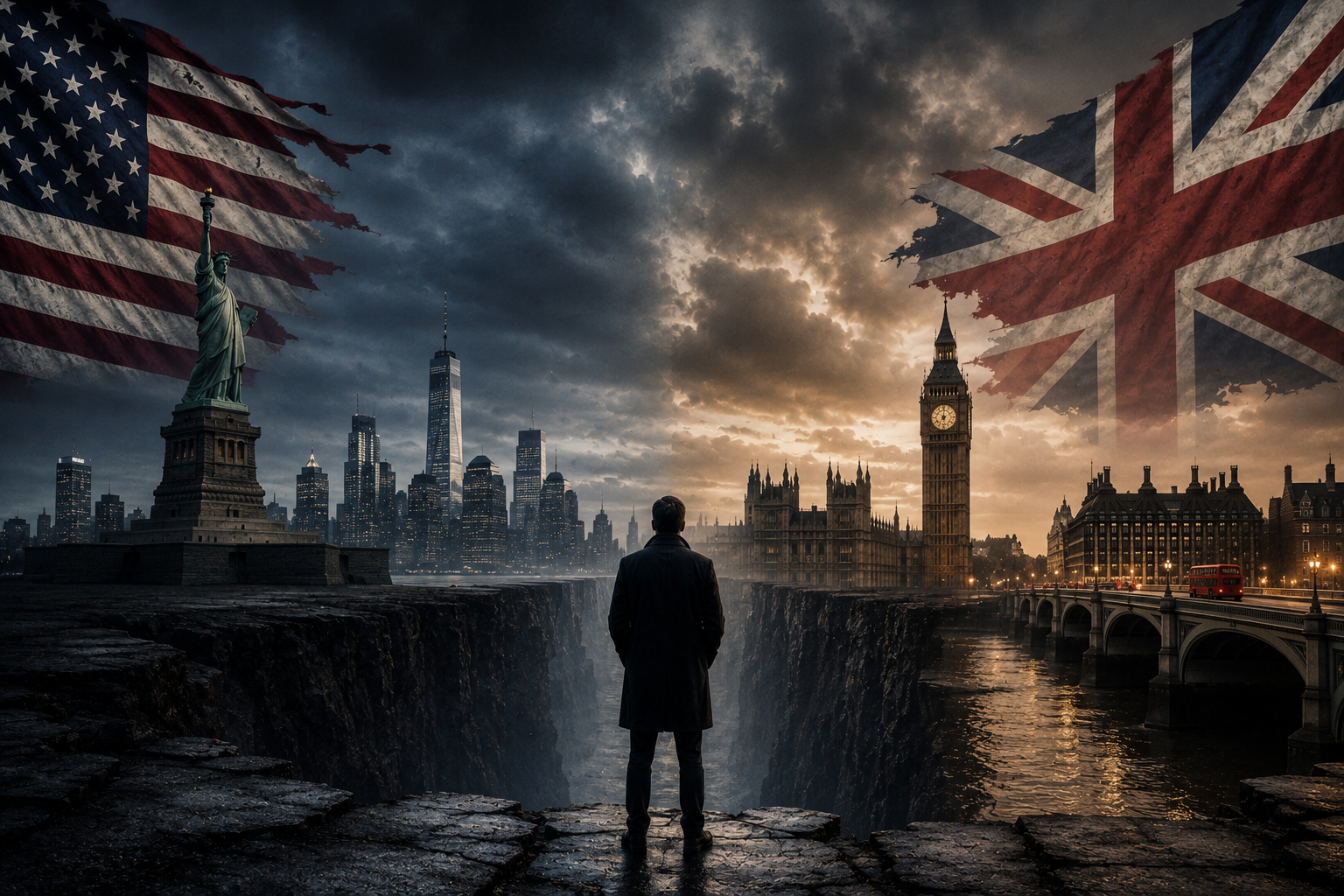
JD Vance's Henry Nowak Comments Have Triggered A Transatlantic Political Storm
JD Vance Just Turned The Henry Nowak Case Into A Global Political Flashpoint
When US Vice President JD Vance publicly commented on the Henry Nowak case, the story immediately moved beyond Britain. What had already become a highly emotional debate around policing and public trust suddenly became part of a wider discussion about immigration, Western identity and political leadership.
Vance argued that Henry Nowak would likely still be alive had European leaders resisted what he described as mass migration and cultural decline. His comments were not cautious or diplomatic. They were deliberately provocative and framed the case as evidence of a much larger civilisational problem.
Why Supporters Believe Vance Has A Point
Supporters of Vance argue that someone is deliberately misrepresenting his comments. From their perspective, he is not simply talking about one murder. He is talking about patterns, institutions and political decisions that stretch back decades.
They point to public concerns around immigration, integration, crime, social cohesion and confidence in public institutions. For these supporters, the Henry Nowak case became powerful because many people saw not just a violent crime, but a sequence of failures surrounding the response to it.
The bodycam footage released after the incident intensified those concerns. Questions surrounding police actions, decision-making and judgement quickly became central to public discussion. Whether those criticisms ultimately prove justified or not, the footage transformed the case into something much larger than an individual criminal act.
The Argument At The Heart Of Vance's Intervention
Vance has repeatedly advanced the deeper argument he has made throughout his political career. He believes Western nations face their greatest threat not from foreign enemies but from declining confidence in their institutions, traditions and cultural identity.
The Henry Nowak case provided a powerful example through which he could communicate that message. In his view, the tragedy demonstrates the consequences of political decisions that have prioritised ideological concerns over public confidence and social cohesion. Whether people agree or disagree with that analysis, it explains why he chose to intervene so forcefully.
This is also why the debate has become so emotionally charged. The disagreement is no longer simply about what happened in Southampton. It is about competing visions of what modern Western societies should look like.
Why The UK Government Pushed Back
The British government responded sharply to Vance's comments. Officials argued that the tragedy should not be used to create further division and pointed to the wishes of Henry Nowak's family, who have urged people not to exploit the case to deepen social tensions.
From the government's perspective, the danger is that a deeply personal tragedy becomes fuel for wider political conflict. Ministers have rejected suggestions that the case proves systemic bias or validates broader claims about national decline.
This disagreement has helped transform the story into an unusually visible diplomatic dispute. Domestic criminal cases rarely generate direct intervention from senior figures on both sides of the Atlantic.
The Real Question Behind The Headlines
The most important question may not be whether Vance was right or wrong. The more significant issue is why his comments resonated with so many people so quickly.
Political messages only gain traction when they connect with concerns that already exist. The intensity of the public response suggests that many people see the Henry Nowak case as representing broader anxieties about policing, immigration, public institutions and national identity.
Others see the same case as evidence of the dangers of politicising tragedy and of allowing individual crimes to become symbols of much wider ideological battles. That divide helps explain why reactions have been so strong and why the story continues to dominate discussion.
Why This Story Is Bigger Than It Looks
The Henry Nowak case will ultimately be remembered for the loss of a young life. Politics should never overshadow that reality. Yet it is equally true that the case has become a focal point for debates that were already building across Britain, Europe and the United States.
JD Vance understood that immediately. His intervention was not really about one news cycle or one social media post. It was about framing a broader argument regarding immigration, institutions, leadership and cultural confidence.
Whether history will judge that intervention as insightful or divisive remains to be seen. What is already clear is that the Henry Nowak case has become something much larger than a criminal investigation. It has become a political symbol in a debate that is unlikely to disappear anytime soon
