Pakistan’s “Islamabad Accord”: The Ceasefire Plan That Could Reopen Hormuz—or Collapse Under Mistrust
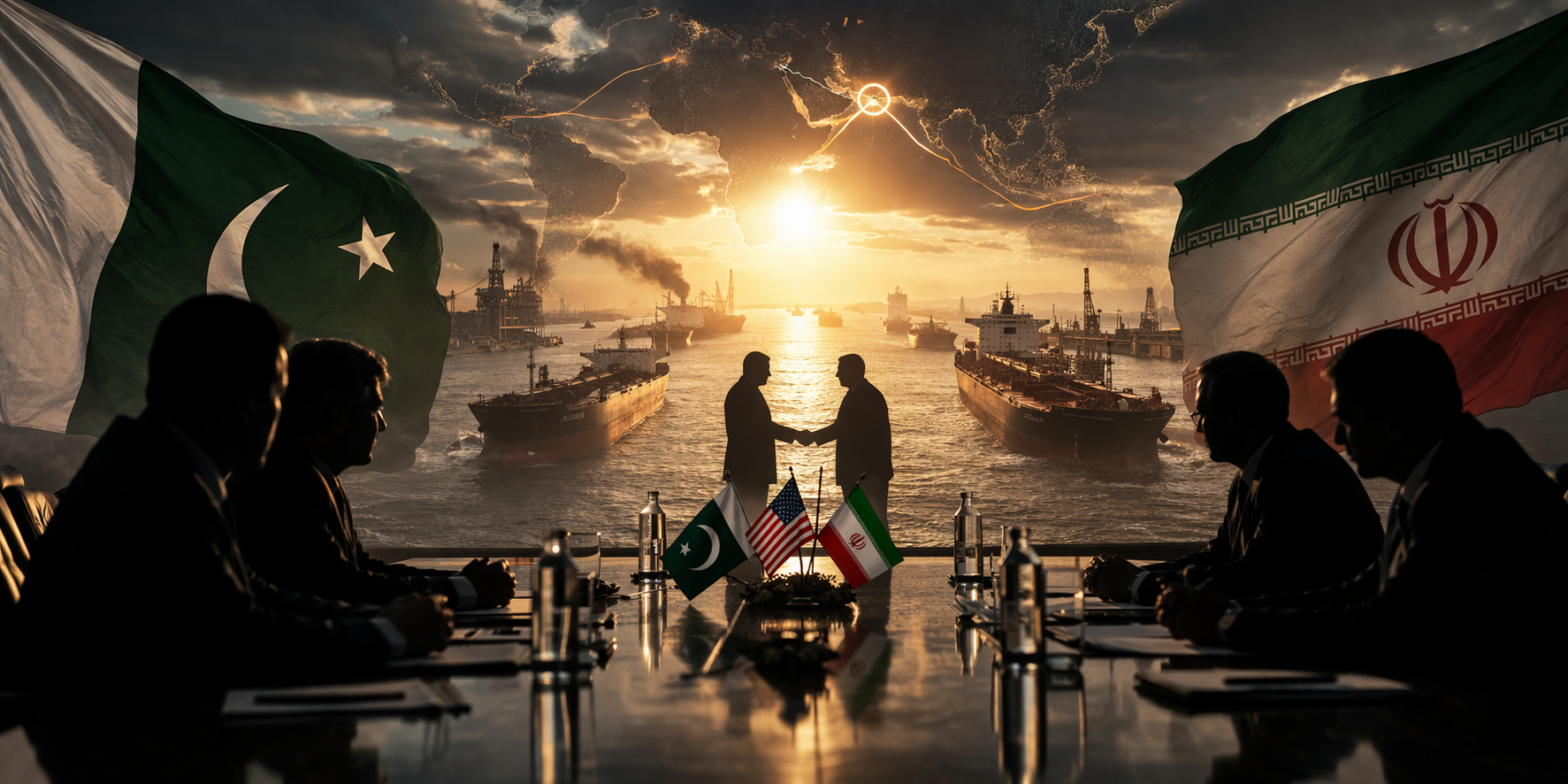
The “Islamabad Accord”: The Deal That Could Reopen the World’s Most Critical Oil Route
Iran Faces a High-Stakes Choice: Open Hormuz or Keep Global Oil Markets on Edge
A Pakistan-backed ceasefire framework—informally dubbed the “Islamabad Accord”—has been formally presented to both the United States and Iran, aiming to halt hostilities and reopen the Strait of Hormuz.
At its core, the proposal offers a rapid de-escalation path: an immediate ceasefire followed by accelerated negotiations on sanctions, nuclear constraints, and regional security.
But there is a problem.
Iran has already signaled it may not accept key elements—especially reopening Hormuz under a temporary ceasefire.
That tension—between urgent global pressure and deep strategic mistrust—is what defines this moment.
The story turns on whether Iran believes a ceasefire is a pathway to real concessions—or a trap to lock in its current disadvantages.
Key Points
Pakistan has circulated a two-phase ceasefire plan to both Washington and Tehran.
The first phase proposes an immediate halt to fighting and reopening of the Strait of Hormuz.
A second phase would involve negotiations on sanctions relief and nuclear commitments.
Iran has not agreed and is resisting pressure to reopen the strait early.
The Strait of Hormuz remains effectively closed, disrupting a major share of global oil supply.
Regional actors like the UAE are demanding guaranteed long-term access to the strait in any deal.
What the “Islamabad Accord” Actually Proposes
The framework is structured in two stages.
First, an immediate ceasefire—likely formalized through a memorandum of understanding—would pause military activity and reopen maritime traffic through the Strait of Hormuz.
Then, within roughly 15 to 20 days, both sides would attempt to negotiate a broader settlement.
That second phase is where the real substance sits:
Sanctions relief for Iran
Release of frozen Iranian assets
Constraints or commitments around Iran’s nuclear program
Regional security guarantees
In other words, the ceasefire is not the deal.
It is the gateway to a much harder negotiation.
Why the Strait of Hormuz Is the Real Battlefield
This entire framework revolves around one chokepoint: the Strait of Hormuz.
Roughly one-fifth of the world’s oil supply moves through that narrow passage.
Since late February, Iran’s closure of the strait has triggered one of the most severe energy disruptions in decades:
Tanker traffic collapsed
Oil prices surged sharply
Global shipping routes stalled
The ceasefire proposal is not just about stopping missiles.
It is about restoring the flow of global energy.
That is why external pressure—from Gulf states, global markets, and major economies—is intensifying rapidly.
Why Iran Is Hesitating
Iran’s position is cautious and, in strategic terms, consistent.
Tehran has indicated it will not reopen the strait as part of a temporary ceasefire.
That stance reflects a core calculation:
If Iran reopens Hormuz immediately, it gives away its strongest leverage before securing concessions.
From Iran’s perspective, the sequence matters more than the outcome.
Ceasefire first = loss of leverage
Concessions first = retained bargaining power
That is the central deadlock.
The U.S. Position: Urgency With Conditions
On the U.S. side, the pressure is equally intense—but structured differently.
Washington wants rapid de-escalation, particularly to stabilize energy markets and avoid a prolonged regional conflict.
But it is also tying any settlement to broader objectives:
Limits on Iran’s nuclear capabilities
Constraints on missile and drone programs
Regional security assurances
This arrangement creates a mismatch in priorities.
The U.S. wants speed with conditions.
Iran wants guarantees before concessions.
Regional Pressure Is Rising Fast
Countries in the Gulf are no longer neutral observers.
The UAE, among others, has made clear that any deal must guarantee free navigation through the strait and prevent its use as a geopolitical weapon.
At the same time:
Bahrain has pushed for potential UN-backed enforcement
Other states are warning of broader economic fallout
Energy-dependent economies are already feeling the shock
This is no longer just a bilateral conflict.
It is a system-wide risk.
What Most Coverage Misses
Most reporting focuses on the ceasefire itself—whether it happens, when it happens, and who agrees.
The real hinge is sequencing.
The Islamabad framework assumes that both sides are willing to trade immediate de-escalation for future negotiation.
But the incentives do not align:
Iran’s strongest leverage is the closed strait
The U.S.’s strongest leverage is continued military pressure
A temporary ceasefire requires both sides to weaken their position at the same time.
That is rare in active conflicts—especially when trust is low and verification is unclear.
Without a credible enforcement mechanism or immediate reciprocal concessions, the proposal risks collapsing not because it lacks structure, but because it asks both sides to move first.
What Happens Next
The next 24 to 72 hours are critical.
Several options are currently being considered:
Partial acceptance: A limited ceasefire without full reopening of Hormuz
Delayed negotiation: Continued talks while hostilities persist
Breakdown: Rejection of the framework and escalation of strikes
Forced de-escalation: External pressure pushing both sides into a temporary pause
The most likely outcome, based on current signals, is not a clean agreement—but a contested, conditional pause.
That would leave the core issues unresolved.
And that matters.
This is not merely about concluding a conflict.
It is about whether either side is willing to trade immediate power for uncertain long-term stability.
If they are not, the Strait of Hormuz remains not just a shipping route—but the pressure point of the entire conflict.
