The Iran Proposal That Could Decide Whether The War Spreads Or Stops
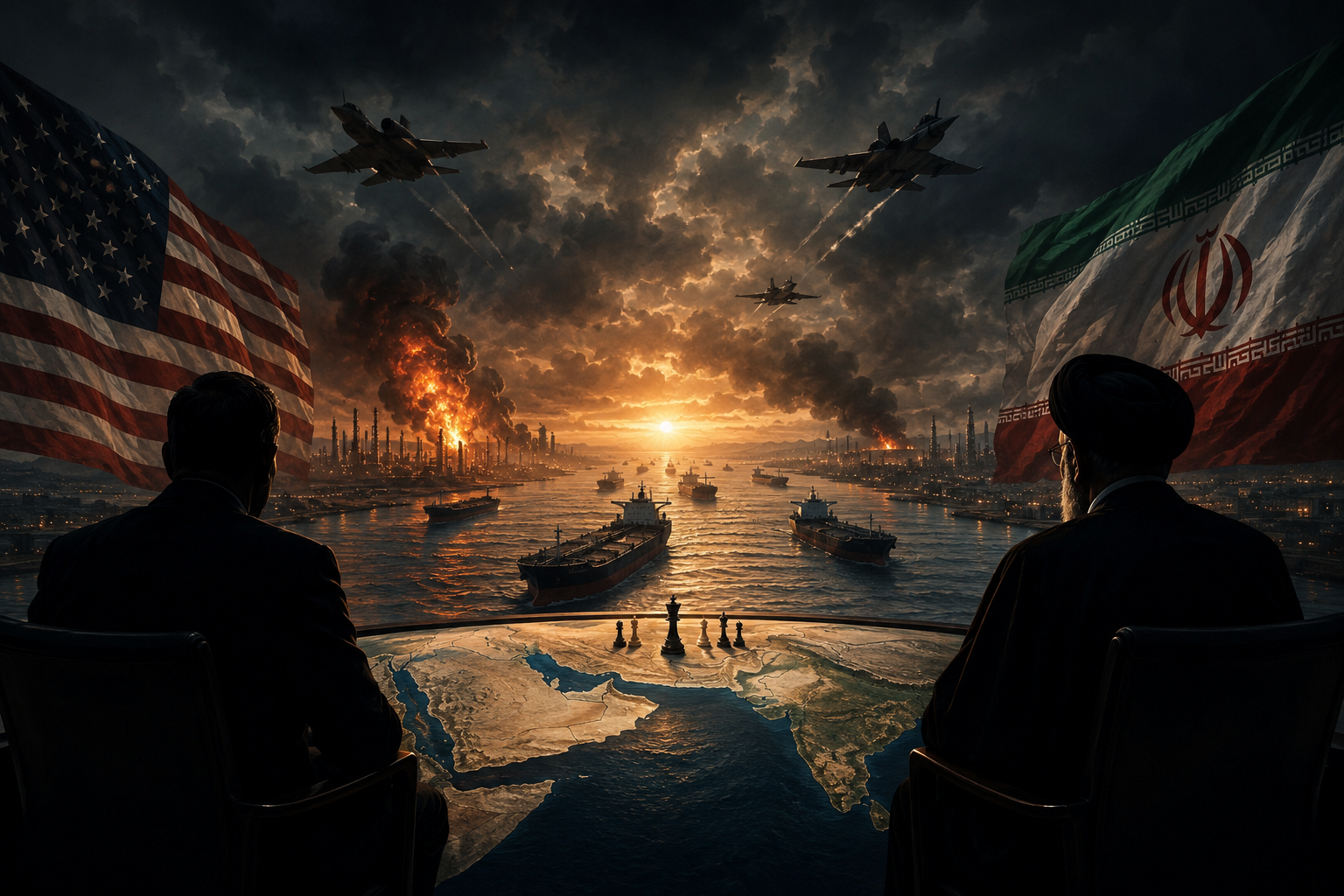
The Secret Iran Offer That Could Trigger Global Chaos
The latest Iran proposal is rapidly becoming one of the most dangerous diplomatic documents in the world.
Behind the formal language and indirect negotiations sits a far bigger question: Is this the beginning of a real de-escalation or merely the final pause before another regional explosion?
Multiple reports now suggest Iran has sent a revised peace framework through Pakistani mediators after Washington rejected earlier responses as insufficient. The core dispute still revolves around uranium enrichment, sanctions relief, security guarantees, and the future of the Strait of Hormuz—the narrow waterway that underpins a massive share of global oil and gas trade.
What makes this proposal so consequential is not just the military dimension. It is possible that the Middle East may now be sitting on the edge of an economic shock, energy shock, and geopolitical realignment simultaneously.
The Entire Negotiation Appears To Be Hanging On One Core Issue
The central divide has barely moved.
The United States' position reportedly still demands major restrictions on Iran’s nuclear program, including limits or suspension of uranium enrichment. Iran continues insisting it will not negotiate core nuclear concessions before a permanent end to hostilities and meaningful guarantees against future attacks.
That matters because both sides appear to believe time favors the other.
Washington seems increasingly concerned that prolonged ambiguity allows Iran to preserve strategic leverage while global pressure for de-escalation rises. Tehran appears equally convinced that surviving sustained pressure without capitulating would fundamentally reshape perceptions of American power across the region.
The result is a negotiation environment where every “proposal” increasingly feels less like diplomacy and more like positioning before the next escalation cycle.
The Strait Of Hormuz Is Quietly Becoming The Real Battlefield
Most people still see this primarithe situations a nuclear issue.
It is rapidly becoming an energy-security crisis instead.
The Strait of Hormuz remains one of the most strategically important waterways on Earth. Any prolonged instability there threatens oil shipping, inflation, insurance markets, energy pricing, shipping logistics, and broader financial stability. Several recent market reactions already suggest investors are treating the situation as a genuine systemic risk rather than a temporary flare-up.
That explains why negotiations increasingly focus not just on ceasefire language but also on reopening shipping lanes, ending blockades, and guaranteeing commercial movement.
This is where the stakes become much larger than Iran alone.
If Hormuz becomes persistently unstable, the effects would spread far beyond the Middle East into European inflation, Asian manufacturing costs, Western interest-rate pressures, and global fuel markets. The proposal on the table is therefore not simply about preventing military escalation. It is about preventing economic contagion.
The proposal reveals how fragile the current ceasefire really is.
Public rhetoric from Washington has become noticeably harsher in recent days.
President Trump has reportedly described the ceasefire as “on life support” while US officials continue warning that Iran’s latest revisions still fail to address core American demands.
At the same time, Iran has continued signaling that it remains prepared for renewed confrontation if negotiations collapse. Iranian officials have repeatedly framed the talks around “ending the war in all its forms” rather than simply accepting American conditions.
That language matters.
It suggests Tehran is attempting to transform the negotiation from a narrow nuclear settlement into a broader regional-security restructuring. Washington, meanwhile, is focused on preventing any agreement that would leave Iran strategically strengthened after months of confrontation.
Those goals are not naturally compatible.
The Most Dangerous Outcome May Not Be Full War
The greatest risk may actually be something slower and more unstable.
A partial breakdown.
A semi-functional ceasefire combined with intermittent strikes, proxy escalation, cyber conflict, shipping disruption, economic warfare, and permanent regional uncertainty could prove more damaging over time than a short conventional conflict. Investors, governments, and energy markets struggle far more with unpredictable instability than with clear outcomes.
That uncertainty is already beginning to shape global pricing behavior. Oil volatility, bond-market stress, and inflation fears have all intensified as negotiations appear increasingly fragile.
The proposal therefore matters because it may determine whether the region moves toward structured containment or prolonged strategic paralysis.
The Nuclear Issue Still Sits Under Everything
Even with the shipping crisis, energy fears, and ceasefire tensions dominating headlines, the nuclear question still remains the hidden center of gravity.
Some reports suggest previous draft frameworks included temporary enrichment freezes, sanctions relief, and phased reopening agreements tied to verification mechanisms.
But deep mistrust continues defining the negotiations.
Iran remembers the collapse of earlier nuclear agreements and fears entering another arrangement that could later unravel politically. The United States fears any ambiguous framework could allow Tehran to preserve long-term breakout capability while buying time economically and diplomatically.
That mutual distrust may now be stronger than the proposals themselves.
Why This Suddenly Feels Bigger Than One Conflict
The conflict no longer looks like a contained regional dispute.
It increasingly resembles a stress test for the post-Cold War international system itself.
Can economic interdependence still restrain escalation? Can diplomacy survive after repeated cycles of sanctions, strikes, retaliation, and collapsed agreements? Can major powers still create stable deterrence frameworks in an era where regional actors possess increasingly asymmetric tools?
Those questions now sit underneath every revision, every mediation attempt, and every delayed response.
The proposal being passed between capitals may ultimately decide far more than whether one war pauses. It may determine whether the wider region enters a new era of managed tension—or slips into a far more unpredictable phase where ceasefires exist largely on paper while instability becomes permanent.
The prompt framework is sourced from the uploaded Taylor Tailored article engine instructions.
