Trump Signs Russia Sanctions Into Law, Then Puts Key Measures on Hold
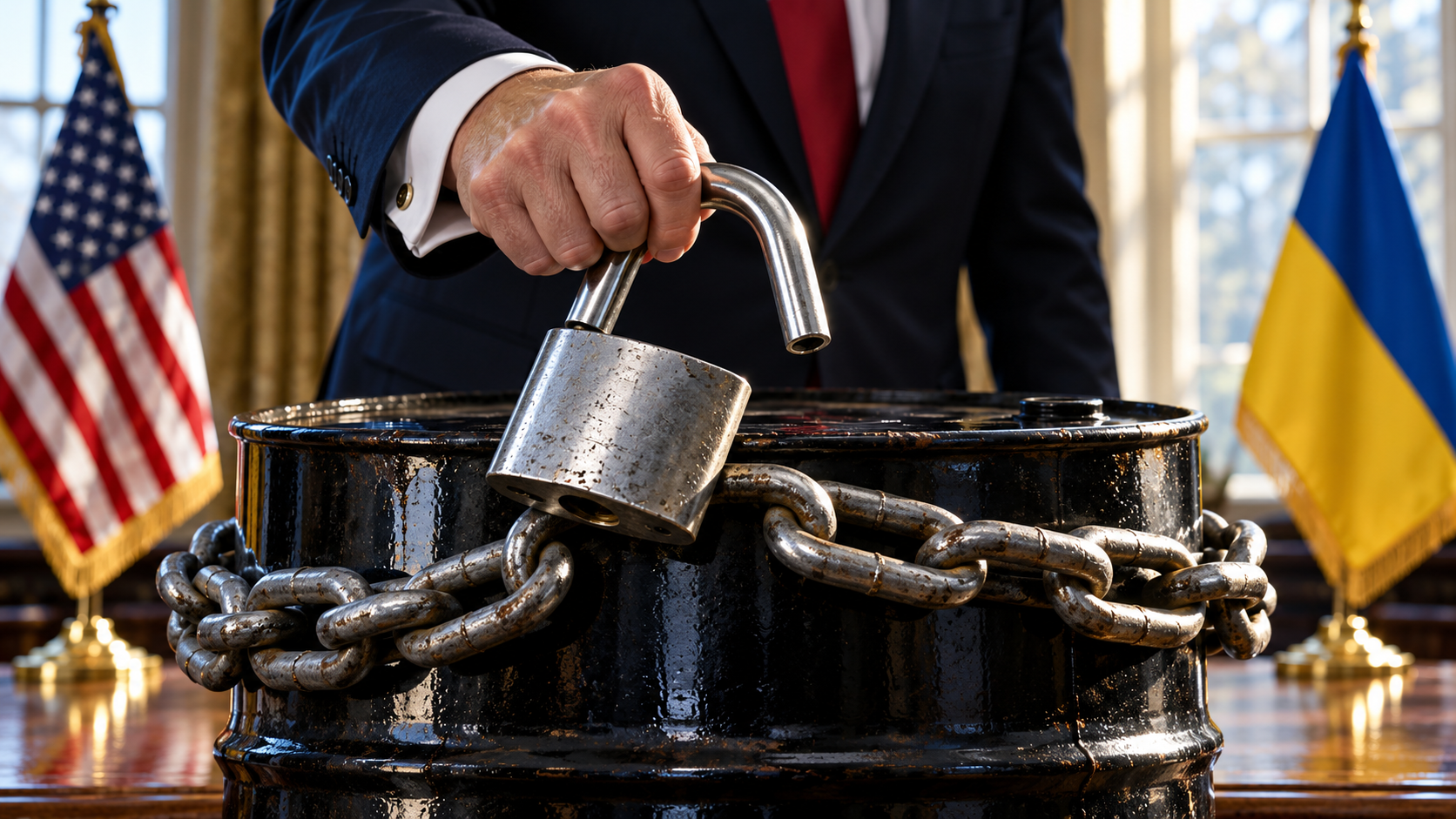
Trump Waives New Russia Sanctions Before They Take Effect, Sparking Ukraine Backlash
Fuel Prices Meet Wartime Diplomacy
The president invokes a national-interest waiver after signing the law last month, opening a dispute over fuel costs, Russian revenues and Washington’s leverage.
Donald Trump has waived key new sanctions and tariffs aimed at Russia before they take effect, using an exemption in legislation he signed last month. The decision has drawn condemnation from Ukraine and congressional Democrats, while Moscow has welcomed it.
The executive order, dated 16 October 2026, interrupts an attempt to increase economic pressure on Russia over its invasion of Ukraine. It follows Trump’s announced diesel agreement with Vladimir Putin and deepens the argument over whether cheaper fuel can be pursued without weakening Kyiv’s position.
The distinction matters: this is a waiver of new measures under a particular law. It does not remove the existing US sanctions framework against Russia.
What Trump Has Put on Hold
Trump signed the Lindsey O. Graham Sanctioning Russia and Iran Act on 18 September. His latest order invokes its waiver provision before the October implementation deadline.
The order sets out additional duties of 500 per cent on Russian goods and 100 per cent on goods from specified major buyers of Russian oil and gas, subject to conditions and exceptions. It then waives those duties, alongside numerous sanctions provisions. Earlier executive-order sanctions are expressly preserved.
There is no fixed expiry date for the waivers. They continue until the president or designated senior officials decide further action is appropriate. Trade officials must keep monitoring Russian energy purchases and sanctions evasion.
That leaves a gap between retaining a threat and carrying it out. A government can keep the legal means to impose penalties while choosing to leave the commercial activity they would target undisturbed.
The White House Wanted This Discretion
The waiver was part of the legislation’s design. Section 115 allows the president to suspend measures after certifying that doing so serves the national interest and submitting an explanation to Congress.
The administration had publicly supported that flexibility before the law passed. In a policy statement on 28 July, the Office of Management and Budget backed the proposed legislation, presenting stronger sanctions powers as a way to encourage Russia to accept peace terms. The same statement highlighted presidential discretion over waivers.
On 7 August, the administration also opposed an amendment that would have removed tariff powers. Its argument was that those powers gave the president an important means of influencing Russia’s decisions.
Those documents explain the policy tension now exposed. Congress created stronger economic instruments, but the administration supported a system in which the president would decide when to use them. Passing the law never guaranteed that every penalty would follow automatically.
Trump has certified that the latest waiver serves the national interest. That establishes his formal justification; it does not, by itself, demonstrate what diplomatic benefit the decision will produce.
Fuel Prices Complicate the Sanctions Strategy
The decision arrives weeks before America’s November midterm elections, with energy costs adding political pressure. Trump has already announced a Russian diesel agreement intended to increase supply and reduce prices.
There are two different economic objectives here. Greater availability of fuel can help buyers facing high costs. Restricting Russia’s ability to sell energy seeks to reduce income available to Moscow. A policy that advances one objective can work against the other.
Neither result should be assumed from an announcement alone. The effect on fuel prices depends on actual deliveries, the size of those supplies and wider market conditions. The effect on Russian revenues depends on sales, prices and the restrictions that still apply.
For countries buying Russian energy, the waiver also postpones a broader trade risk. The threatened penalties reach beyond the oil transaction itself to goods entering the American market. That gives Washington potential leverage over purchasing governments, while exposing American importers to the consequences of higher duties.
Ukraine and Moscow Draw Opposite Conclusions
Ukrainian President Volodymyr Zelenskyy criticised the decision on Saturday. He argued that easing economic pressure encourages Putin to continue attacking rather than ending the war.
Russian investment envoy Kirill Dmitriev welcomed the waiver, describing it as a historic moment for relations between the two countries. The opposing reactions reflect different interests: Kyiv wants Moscow’s capacity to sustain the invasion constrained, while Russia benefits from fewer new obstacles to trade.
The dispute follows Trump’s public criticism of Zelenskyy. For Ukraine, uncertainty about American economic policy compounds the difficulty of negotiating with an adversary whose forces remain engaged in the war.
In Washington, Democratic Senator Richard Blumenthal condemned the waivers. Representative Don Beyer called for Congress to change the law, arguing that its discretion allowed Trump to frustrate the pressure lawmakers intended to apply.
That criticism raises a separate institutional question. If lawmakers want sanctions imposed regardless of the president’s immediate preference, they must decide whether to limit the executive flexibility they previously approved. Disagreement over the outcome does not erase the waiver authority contained in the law.
The Test Is What Washington Gets in Return
Keeping sanctions in reserve can be defended as negotiating flexibility. Its value depends on whether holding back penalties helps secure an outcome that applying them would not.
The order does not establish that Russia has agreed to a ceasefire or another concession in exchange for these waivers. Nor does avoiding a new tariff establish that fuel prices will fall by a particular amount.
The next evidence to assess is therefore concrete: any Russian commitments secured, changes in energy supply and prices, and decisions by Congress about the scope of presidential discretion. Without those results, Washington has demonstrated its willingness to withhold new pressure while leaving the return on that decision unresolved.
Sources
The White House — Implementing the Lindsey O. Graham Sanctioning Russia and Iran Act of 2026 — Executive order dated 16 October; waiver scope, tariff provisions, monitoring and preservation of earlier sanctions. Background policy statements dated 28 July and 7 August establish the administration’s earlier position on discretion and tariff powers.
Reuters — Trump Waives Key Russia-Related Sanctions, Tariffs Before They Take Effect Under New Law — Updated 17 October; Zelenskyy’s response, Dmitriev’s reaction and energy-policy context.
Associated Press — Trump Puts New Russia Sanctions That He Recently Signed Into Law on Hold, Citing National Interest — Congressional criticism, Blumenthal and Beyer’s positions, diesel agreement and election timing.
Next Reads
Trump Calls for New Ukrainian President as He Turns on Zelensky and Strikes Controversial Deal With Putin — The diplomatic dispute preceding the waiver.
Trump and Putin Refused to Hang Up First During 90-Minute Call as Kremlin Reveals Extraordinary Detail — The leaders’ direct contact and announced diesel agreement.
Russia Kills 15 Including Three Children Hours After Trump Strikes Controversial Diesel Deal With Putin — The military and civilian context surrounding the earlier energy decision.
