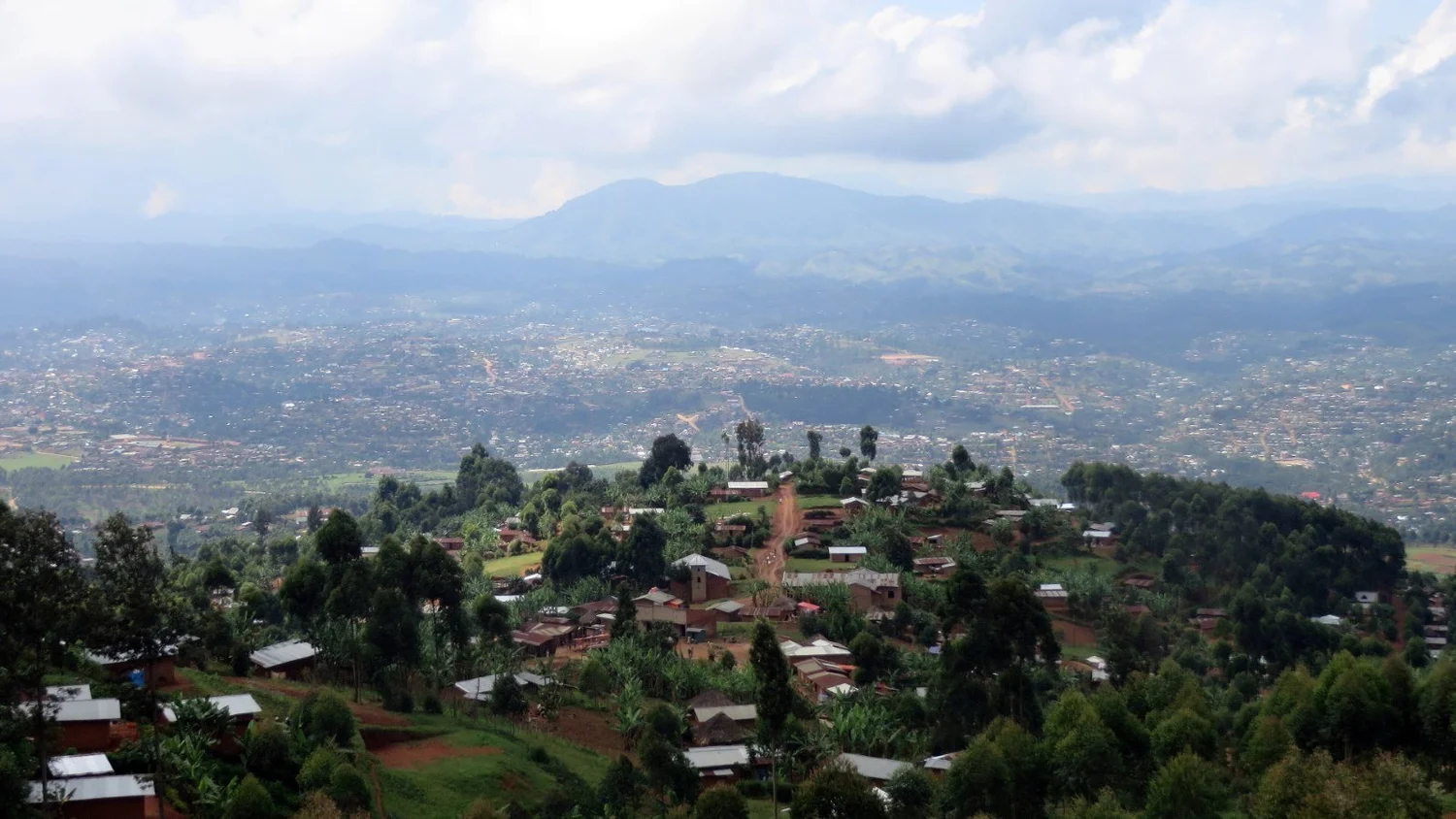
Why Is Uganda Leaving Lubero Now, Days After a Clash With Kinshasa?
Uganda's army will withdraw its troops from Lubero, a town in North Kivu province in eastern Democratic Republic of Congo, within the next two weeks and hand security there to the Congolese armed forces (FARDC). The Uganda People's Defence Forces (UPDF) announced the move in a statement on Friday 27 November 2026 from Col Chris Magezi, its acting director of defence public information, as reported by the state-owned Uganda Broadcasting Corporation, Kenya's Eastleigh Voice and the BBC.
The army gave no reason for leaving and did not say whether the decision is connected to a diplomatic row that has flared this week between Kampala and Kinshasa, the BBC reports. The timing is what makes it notable: it comes days after DR Congo summoned Uganda's top diplomat over social media posts by Uganda's military chief.
What the Ugandan Army Announced
According to the UPDF statement, as carried by UBC and Eastleigh Voice:
- Ugandan troops will begin leaving Lubero town within two weeks.
- Security responsibilities will pass to the FARDC.
- The force has been in the town since January 2025, when it deployed to pursue remnants of the Allied Democratic Forces (ADF) who had fled there to escape joint military operations in North Kivu and Ituri provinces.
The withdrawal applies only to Lubero town. Col Magezi said the wider joint campaign, Operation Shujaa, would continue elsewhere in DR Congo, the BBC reports.
Why Ugandan Troops Are in Eastern Congo
Uganda and DR Congo launched Operation Shujaa in November 2021, after a series of bomb attacks in the Ugandan capital, Kampala, the BBC notes. Its target is the ADF, a group that began in Uganda in the 1990s and is now affiliated to the Islamic State group. The ADF has been blamed for many deadly attacks on civilians in both countries.
The campaign's record is mixed. The conflict monitor Armed Conflict Location and Event Data (Acled) says the ADF has not carried out an attack in Uganda since June 2025, but it remains DR Congo's deadliest armed group. Acled's DR Congo analyst, John Ngono, told the BBC the group was killing an average of four civilians a day and had spread into parts of eastern Congo it had not previously reached. Acled's assessment is that the operation "may have improved security in Uganda while shifting the geographical impact of violence within the DRC", and it warns that the ADF's growing interest in mineral resources could help pay for its operations.
The Row Over Gen Muhoozi's Posts
Earlier this week, Uganda's Chief of Defence Forces, Gen Muhoozi Kainerugaba, who is the son of President Yoweri Museveni, published social media posts that appeared to endorse a rebel takeover of Walikale, a mineral-rich territory in eastern DR Congo. The BBC reports that he threatened Ugandan troops would seize it themselves if the rebels failed to do so.
DR Congo's foreign ministry summoned Uganda's head of mission in Kinshasa. In a statement on Wednesday, it described the general's remarks as "particularly serious" and demanded that Uganda clarify its official position and stop similar incidents, according to the BBC and Eastleigh Voice. Gen Kainerugaba has defended Uganda's military presence in eastern Congo as driven by security concerns, the BBC says.
The two governments have co-operated militarily for years despite long-running mistrust. Any link between the row and Friday's announcement is, for now, a matter of timing rather than anything either side has confirmed.
What It Means on the Ground
The handover comes as fighting has resumed between Congolese forces and rebels in the wider Lubero territory, the BBC reports, raising fresh concerns about civilians. Lubero sits in a part of North Kivu where several armed groups operate, and eastern DR Congo has endured decades of conflict that has forced millions of people from their homes.
For residents, the practical question is whether the FARDC can hold the town and keep ADF fighters from returning once Ugandan units leave.
What We Still Do Not Know
- Why Uganda chose to leave Lubero now, and whether the decision is linked to the diplomatic dispute.
- How many Ugandan troops are in Lubero and where they will redeploy.
- How Kinshasa will respond, and whether it has received the clarification it demanded about Gen Kainerugaba's posts.
- Whether other Ugandan positions under Operation Shujaa will change.
Taylor Tailored will update this article as the withdrawal proceeds or either government comments further.
Sources
- Uganda Broadcasting Corporation: UPDF to Withdraw From Lubero Town in Eastern DRC (27 November 2026)
- BBC News (Wycliffe Muia): Uganda to withdraw troops from DR Congo town amid diplomatic row (27 November 2026)
- Eastleigh Voice (Mary Wambui): UPDF to withdraw from Lubero Town after nearly two years in eastern DRC (27 November 2026)
