
Why The US-Iran Confrontation Could Shape Energy Prices, Inflation And Markets - And Impact You
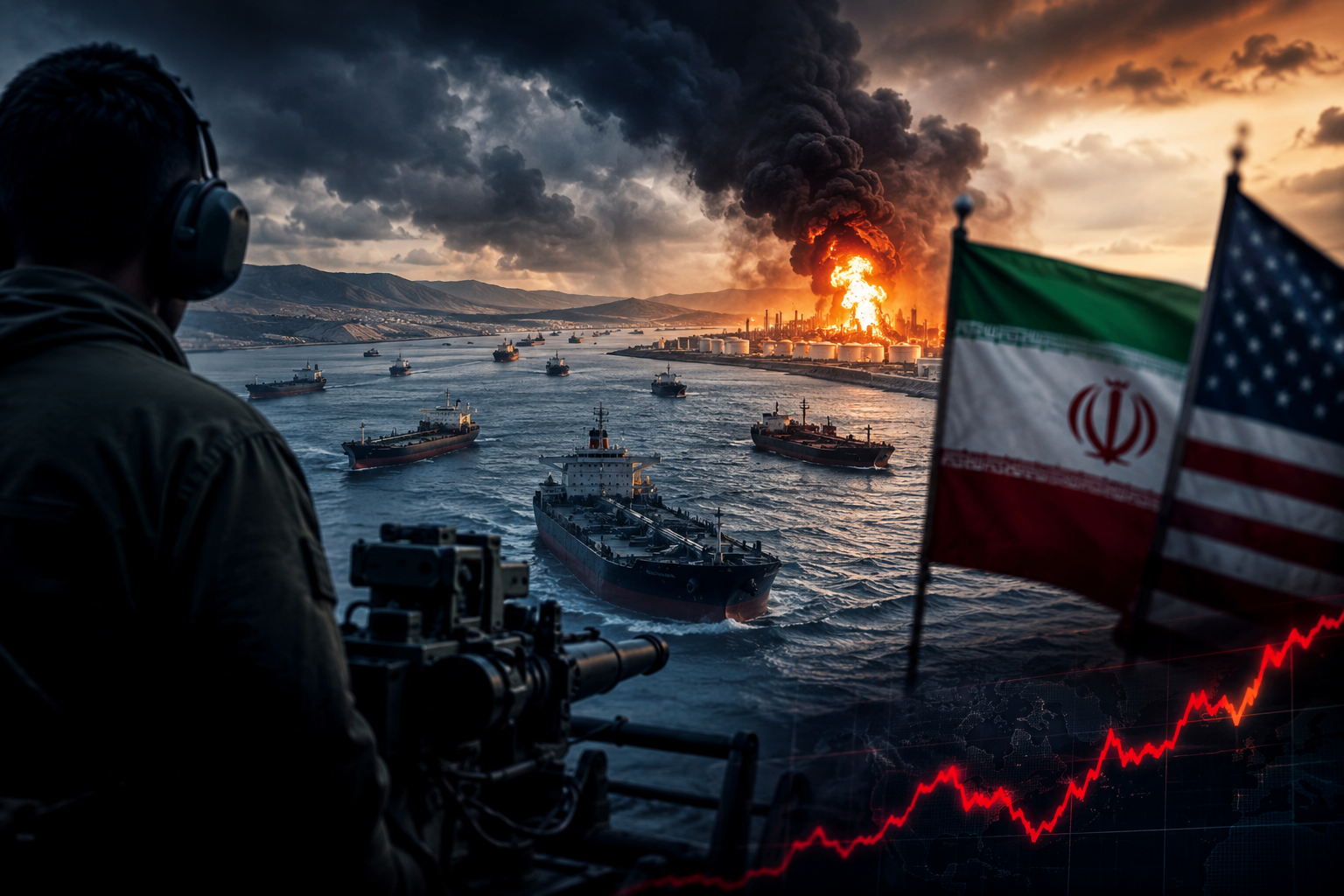
The Iran Crisis Is No Longer Just A Middle East Story — It Is Becoming A Global Economic Stress Test
What This Means For You Financially
Financial markets are not reacting simply to military action. They are reacting to uncertainty.
Fresh US strikes against Iranian targets, combined with retaliatory threats and continuing tensions around the Strait of Hormuz, have revived fears that one of the world's most important energy corridors could face further disruption. Recent trading sessions have seen Gulf markets weaken while oil prices remain elevated as investors attempt to assess the next stage of the confrontation.
The challenge for investors is that geopolitical crises are difficult to price. A conflict can remain contained for weeks and then suddenly escalate after a single incident. That uncertainty is often enough to drive higher energy prices and increase volatility across global markets.
The Strait Of Hormuz Remains The Critical Pressure Point
Much of the world's attention remains fixed on the Strait of Hormuz for one simple reason: few locations carry greater strategic importance for global energy flows.
The waterway has been at the centre of the broader crisis for months, with shipping disruptions, blockades and military activity repeatedly affecting commercial traffic. Even after earlier ceasefire arrangements, shipping activity remained well below normal levels, highlighting how fragile the situation has become.
The concern is not only the direct loss of oil supplies. Shipping delays, higher insurance costs, rerouted vessels and increased security measures can all ripple through global supply chains. History repeatedly shows that markets often react to the possibility of disruption before major shortages even appear.
This broader strategic vulnerability mirrors themes explored throughout Taylor Tailored's geopolitics coverage, where the biggest risks often emerge not from a single dramatic event but from pressure building inside critical systems.
Energy Prices Could Become The Biggest Economic Story
Military developments dominate headlines, but energy remains the mechanism through which the crisis reaches households and businesses worldwide.
Oil prices have risen as traders respond to renewed uncertainty surrounding Gulf exports and maritime security. Recent market moves have pushed crude closer to psychologically important price levels, with analysts increasingly focused on what happens if disruptions persist or intensify.
Higher energy prices rarely stay confined to fuel stations. They eventually affect transportation, manufacturing, food production and consumer prices more broadly. That is why central banks, finance ministries and major corporations are watching developments so closely.
Research groups and economic analysts have repeatedly warned that prolonged disruption across Gulf energy infrastructure could create inflationary pressures that extend far beyond the Middle East.
Governments Are Trying To Avoid A Wider Escalation
Despite the military activity, there remains significant diplomatic pressure to prevent the confrontation from expanding into a broader regional conflict.
Recent strikes have been presented by US officials as part of a coercive strategy designed to influence negotiations rather than trigger full-scale war. Iran, meanwhile, has continued to reject negotiations conducted under military pressure, creating a situation where military and diplomatic tracks are unfolding simultaneously.
This creates a dangerous dynamic. Both sides may believe they are applying limited pressure while attempting to avoid a larger war. History shows that such periods often carry substantial miscalculation risk, particularly when military forces operate in close proximity across multiple theatres.
That uncertainty is one reason governments across Europe, Asia and the Gulf continue to monitor events with growing concern.
The Real Risk Is What Happens Next
The biggest danger is not necessarily today's headline.
The real question is whether the confrontation remains a contained cycle of strikes and retaliation or evolves into something broader. Additional attacks on shipping, energy infrastructure or military assets could quickly alter market expectations and increase economic pressure worldwide.
Recent reports suggest global energy systems have already experienced substantial disruption since the conflict intensified earlier this year, while shipping patterns remain far from normal.
For now, markets appear to be assuming that the crisis can still be managed. But that assumption depends on escalation remaining limited.
A Regional Conflict With Global Consequences
The Iran crisis demonstrates how interconnected the modern world has become.
A military incident thousands of miles away can affect fuel costs, inflation expectations, shipping routes, investment decisions and government policy across multiple continents. That is why traders, military planners, central banks and political leaders are all watching the same developments.
The confrontation is no longer simply about Washington and Tehran. It has become a test of global economic resilience, energy security and geopolitical stability.
Whether the coming weeks bring de-escalation or further confrontation may determine not only the future of the region but also the trajectory of markets and inflation across much of the world.
