Why Xi Jinping’s Rare North Korea Visit Matters Far More Than Most People Realise
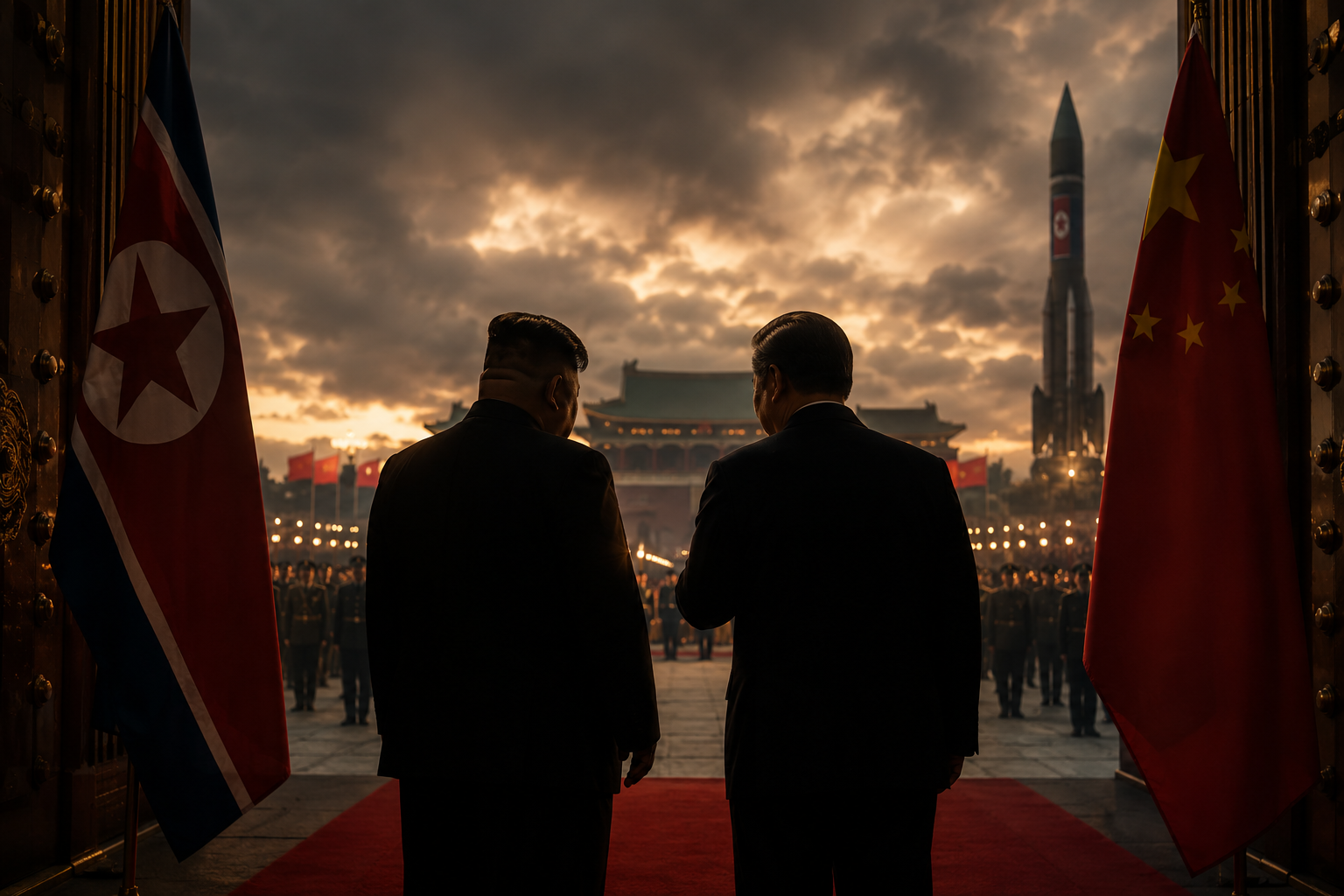
Xi’s Return To Pyongyang: The High-Stakes Summit That Could Reshape Asia’s Balance Of Power
Why This Visit Is So Significant
Chinese President Xi Jinping is preparing to visit North Korea for the first time since 2019, marking his first overseas trip of 2026 and one of the most closely watched diplomatic events of the year. The visit will see Xi meet North Korean leader Kim Jong Un in Pyongyang as both countries seek to strengthen relations after years of pandemic disruption and changing geopolitical realities.
On the surface, the trip looks like a traditional display of friendship between two long-standing allies. In reality, it arrives at a moment when North Korea has expanded its military capabilities, deepened cooperation with Russia and become increasingly confident in its position on the world stage.
The Growing Shadow Of Russia
One of the biggest developments behind the scenes is North Korea’s increasingly close relationship with Russia. Over the past two years, Pyongyang has moved much closer to Moscow, creating a dynamic that Beijing cannot afford to ignore. Analysts increasingly see Xi’s visit as an effort to remind Kim that China remains North Korea’s most important strategic and economic partner.
For China, maintaining influence in Pyongyang is about far more than diplomacy. North Korea acts as a strategic buffer between China and US-allied South Korea. Any reduction in Beijing’s influence could weaken China’s position across the wider region.
The Nuclear Question Has Not Gone Away
The timing of the visit is particularly striking because it comes amid renewed statements from North Korea about its nuclear future. Senior North Korean figures have made it clear that the country sees its nuclear status as permanent and non-negotiable, dismissing external calls for denuclearisation.
Recent announcements have also highlighted plans for expanded missile production, nuclear development and military modernisation. These signals suggest that Kim is entering the summit from a position of confidence rather than weakness.
That creates a challenge for Xi. China wants stability on the Korean Peninsula and has historically supported efforts to limit nuclear escalation. Yet Beijing also wants to preserve its strategic relationship with Pyongyang. The result is a delicate balancing act between influence and restraint.
What Washington Will Be Watching
The summit is also being closely monitored in Washington. Any visible strengthening of ties between Beijing and Pyongyang will be analysed through the wider lens of great-power competition between China and the United States.
Recent reports have suggested that some regional observers view Xi as a potential intermediary in future discussions involving North Korea and the United States. Whether such mediation becomes realistic remains uncertain, but the mere possibility demonstrates the diplomatic leverage China still possesses.
For American policymakers, the concern is not simply North Korea's weapons programme. It is the possibility of a more coordinated alignment between China, Russia and North Korea that could complicate security calculations across the Indo-Pacific.
Beyond Symbolism
State visits often generate headlines because of ceremonial images, military parades and diplomatic language. This summit, however, carries genuine strategic weight. It is Xi’s first visit to Pyongyang in nearly seven years and only his second as China’s leader. That alone underlines its importance.
The visit also follows a period in which North Korea has reopened gradually after years of isolation. Economic cooperation, tourism, trade and infrastructure discussions are all expected to feature prominently during the talks.
Both leaders will want to project unity. Yet beneath the public messaging, each side has its own priorities. China wants stability and influence. North Korea wants security, economic support and international legitimacy. The summit represents an attempt to align those interests without exposing the tensions that still exist beneath the surface.
The Bigger Story Behind The Summit
The most important takeaway is that this visit reflects a changing international landscape. The world is increasingly shaped by competing blocs, shifting alliances and strategic rivalries rather than the assumptions that dominated the decades after the Cold War.
Xi’s arrival in Pyongyang is therefore not merely a bilateral event. It is a visible reminder that Asia’s security architecture is evolving. China is seeking to reinforce its influence, North Korea is asserting its confidence, Russia remains an important factor, and the United States continues to watch closely from the other side of the geopolitical chessboard.
Whether the summit produces major policy announcements remains to be seen. What is already clear is that the symbolism alone sends a powerful message: Beijing and Pyongyang want the world to know that their relationship remains strategically important at a time when global tensions are rising.
