

A US–Iran Deal Could Be Announced Within Hours — But It May Not Be Peace
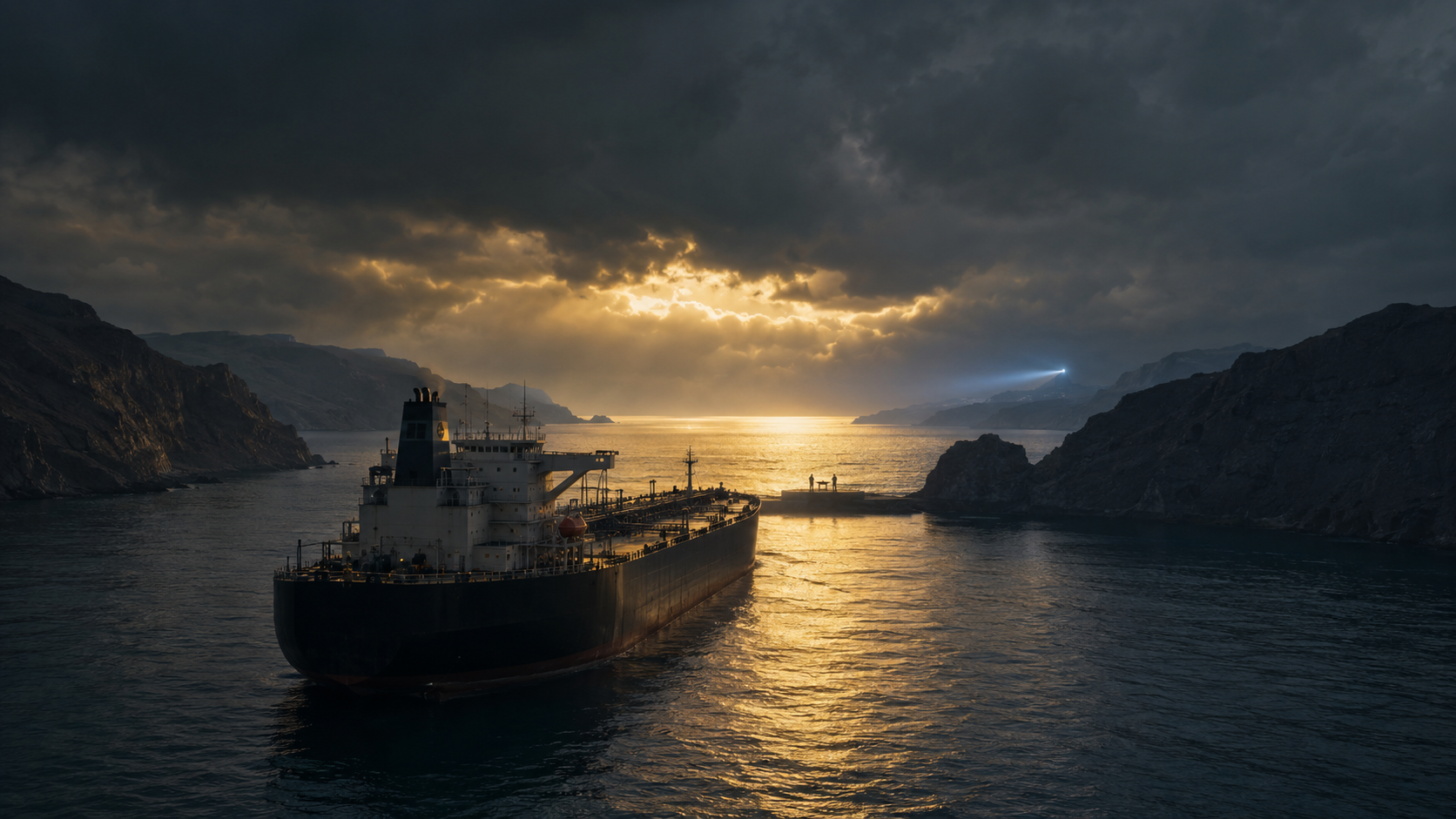
Qatar Says a US–Iran Breakthrough Could Be Hours Away
The US and Iran May Be Closing In on a Two-Stage Deal
The first US–Iran breakthrough could be announced within hours or days, but it is unlikely to be the comprehensive peace agreement suggested by the most optimistic statements from Washington. The immediate prize is narrower and more urgent: reopening the Strait of Hormuz, restoring safer commercial shipping and preventing another round of major military escalation.
Qatar says diplomatic efforts have reached “very progressive stages,” with Qatar, Oman and Pakistan coordinating between Washington and Tehran and exchanging draft proposals. Iran still denies holding direct negotiations with the United States, but that does not necessarily mean diplomacy has stopped. The two sides can negotiate through intermediaries without American and Iranian officials formally meeting.
When Could an Announcement Be Made?
The earliest credible window is between Tuesday, 4 August and Wednesday, 5 August. US Treasury Secretary Scott Bessent has suggested an agreement concerning the Strait of Hormuz could emerge within that period, while Qatar has warned that there is no completed agreement and that circumstances could change within hours or days.
That makes an immediate announcement possible, but not certain. A limited statement could confirm an understanding in principle, a temporary maritime arrangement or a new round of mediated negotiations before every part of the wider dispute has been settled.
Iranian Foreign Minister Abbas Araqchi is away on a religious pilgrimage in Iraq, while Tehran says no direct meeting with US negotiators is scheduled. Unless those arrangements change, the first public announcement is therefore more likely to come from a mediator than from a joint appearance involving American and Iranian officials.
The language will matter. A statement announcing “progress,” “an understanding,” “a maritime mechanism” or “the resumption of negotiations” would fall far short of a final peace settlement. It could nevertheless be enough to postpone American strikes, reduce immediate pressure on Iran and encourage commercial vessels to prepare for a gradual return to the strait.
Why Iran Can Deny Talks While Negotiations Continue
Washington and Tehran are using different definitions of negotiation. President Donald Trump says talks are already happening, while Iran says its current discussions concern Oman and the management of shipping through the Strait of Hormuz.
Both positions could contain part of the truth. Qatar, Oman and Pakistan can carry proposals between the two governments without direct US–Iran contact. Trump can describe that exchange as negotiation, while Tehran can maintain that it has not entered direct bilateral talks with Washington.
The distinction is politically useful for Iran. Its leadership can test American concessions and preserve diplomatic options without appearing to negotiate publicly under military threat. It also allows Tehran to avoid formally accepting Trump’s description of the process as Iran’s “last chance.”
For the United States, calling the exchanges negotiations creates the impression that military pressure has forced Iran back towards an agreement. Trump can present any reopening of Hormuz as proof that his threats produced movement, even if Tehran secures a larger role in controlling the waterway than it possessed before the war.
What the First Agreement Could Involve
The most realistic first stage would address the Strait of Hormuz rather than Iran’s entire nuclear programme. Before the conflict, the waterway carried roughly one-fifth of global oil and liquefied natural gas supplies. Its effective closure has given Tehran leverage over Gulf economies, energy prices and the wider global market.
Iran and Oman are discussing a temporary shipping arrangement. Tehran is seeking control over vessels entering the strait, visibility over outbound traffic and an ability to intervene, while Oman would retain an important management role on its side of the waterway.
A compromise could establish a temporary safe route, notification procedures for ships, joint Iranian-Omani coordination and assurances against attacks on commercial vessels. It could also include limitations on American interception of Iran-linked shipping, although no confirmed final terms have been released.
The United States would demand freedom of movement for commercial traffic and verifiable evidence that Iran will not attack, detain or obstruct vessels using the corridor. Insurers, shipping companies and energy traders would require more than a political statement before treating the route as secure.
A first-stage agreement could also contain a pause in US attacks, restraint by Iran and its aligned groups, and a timetable for mediated discussions. Those measures would amount to de-escalation, not a permanent end to the conflict.
The Nuclear Question Would Come Later
Trump has described a two-stage process in which Hormuz would reopen first and negotiations over Iran’s denuclearisation would follow. That second phase would be much harder because it reaches the central strategic dispute between Washington and Tehran.
The United States would probably seek restrictions on enrichment, access for international inspectors, limits on sensitive nuclear infrastructure and guarantees that Iran could not rebuild a route to a weapon. Iran would seek sanctions relief, protection from renewed American or Israeli attacks, access to frozen funds and recognition of what it considers its lawful nuclear rights.
There is no public evidence that the parties have resolved those questions. Even if the strait reopens, the nuclear talks could take weeks or months and could collapse over verification, sequencing or the meaning of denuclearisation.
Iran will resist surrendering its strongest bargaining tools before sanctions relief and security guarantees take effect. Washington, meanwhile, will be reluctant to grant irreversible economic concessions before Iranian compliance can be tested.
The Deal Could Reshape the Strait of Hormuz
The largest geopolitical risk is that a temporary reopening becomes a permanent transfer of power over the strait. Iran wants greater authority over inbound shipping and oversight of outbound movements, replacing the looser system of international navigation that existed before the conflict.
If Washington accepts such an arrangement, Tehran could emerge from the war with more influence over one of the world’s most important energy corridors. Iran would have demonstrated that pressure on global trade can force larger powers and neighbouring states to negotiate over its demands.
Trump would present the reopening as an American victory, especially if oil prices fall and commercial traffic resumes. His critics would argue that the United States had effectively recognised Iranian leverage after failing to remove it through military force.
Oman and Qatar would also gain diplomatic influence. Their ability to maintain contact with Tehran while working with Washington would make them essential to any ceasefire, verification system or future nuclear negotiation. Pakistan’s involvement would further underline how regional states are shaping a conflict that Washington cannot settle through military power alone.
What It Would Mean for the Gulf and Global Markets
A credible agreement would immediately reduce pressure on Saudi Arabia, the United Arab Emirates, Qatar, Kuwait and Bahrain. These states depend on secure export routes and have faced the risk of being pulled deeper into a confrontation between Iran and the United States.
Oil prices have already fallen sharply in response to the diplomatic signals, showing how strongly markets are pricing the possibility of renewed access through Hormuz. A confirmed agreement could push prices lower, ease inflation pressure and reduce the economic cost of the war for energy-importing countries.
The effect would not be instantaneous. Shipping traffic remains severely restricted, vessels still face attack risks and insurers would need evidence that any security arrangement was working. A political announcement could therefore move markets long before normal trade returns.
Israel would judge the agreement by whether it restrains Iran’s nuclear and military capabilities. A maritime-only arrangement that leaves the nuclear programme unresolved could create friction between Washington and Israel, particularly if Iran receives sanctions relief or stronger control over Hormuz without accepting deep nuclear restrictions.
China would benefit from restored energy flows and lower prices, while Russia could lose some of the economic advantage created by disrupted Gulf supplies. More broadly, the outcome will determine whether control of a strategic chokepoint becomes an accepted instrument of coercion in future conflicts.
What Happens Next
The strongest near-term possibility is a mediator-led announcement covering Hormuz, military restraint and continued indirect negotiations. A direct US–Iran meeting would be a later step and would carry far greater political risk for Tehran.
The central test will not be the announcement itself. It will be whether attacks on commercial vessels stop, whether shipping begins to return, whether planned US strikes remain suspended and whether both sides accept a written framework for the nuclear phase.
Qatar’s statement is the clearest evidence yet that diplomacy has moved beyond public messaging and into the exchange of draft proposals. But the contradiction has not disappeared: Washington is talking as though a deal is imminent, while Tehran still refuses to admit that it is negotiating with Washington at all.
That ambiguity may help produce a limited agreement because it gives both governments room to claim success. It could also destroy the process if either side believes the other is using diplomacy only to gain time. The first announcement may be close, but it will probably mark the beginning of the hardest negotiations rather than the end of the war.
