

Belfast Is No Longer Just A Riot Story — It Is Becoming A National Test Of Immigration, Trust And Political Control
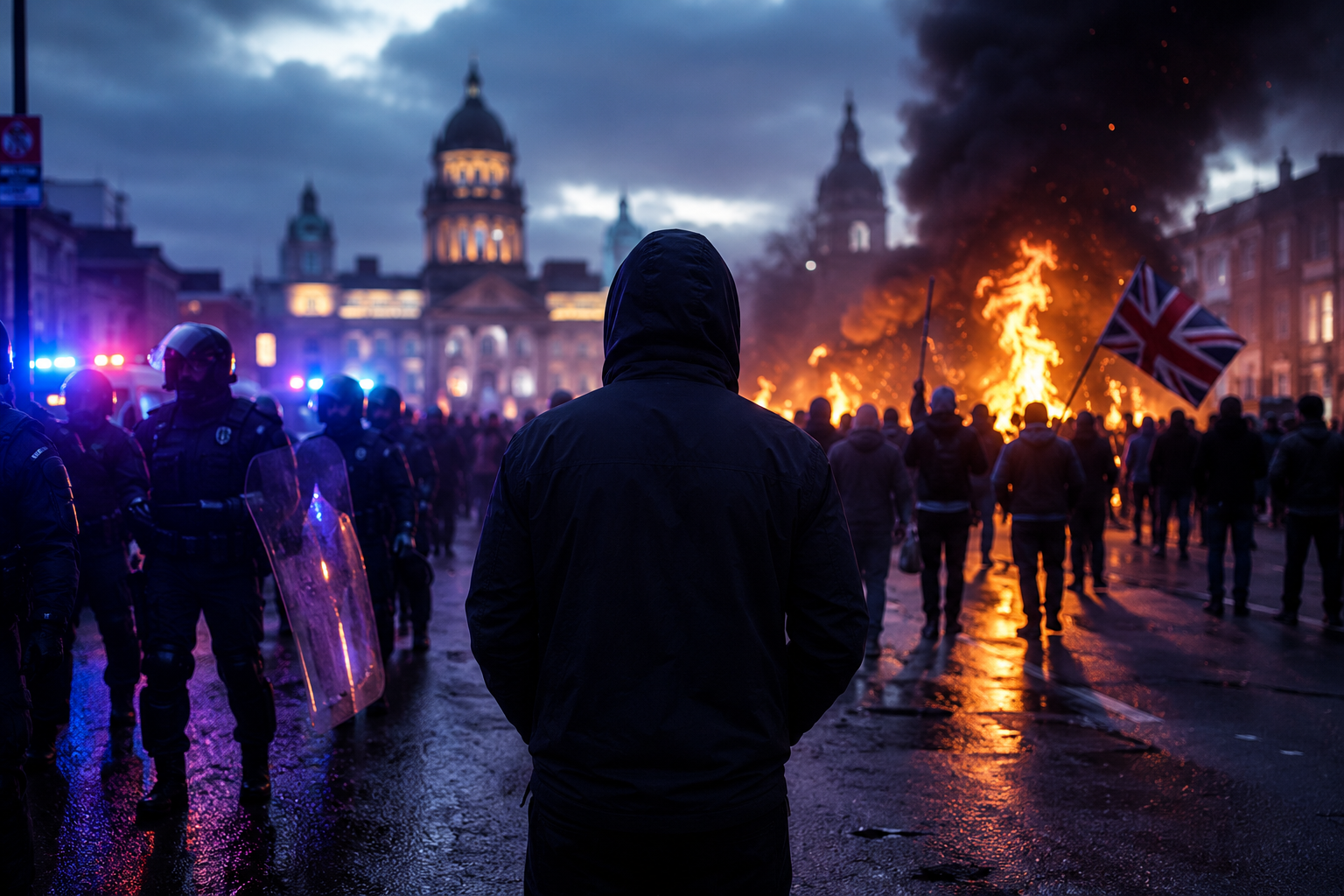
The Belfast Crisis Is Expanding: Why A Local Attack Has Become A UK-Wide Political Battle
The Crisis Is Moving Beyond Belfast
The immediate violence may eventually subside, but the political fallout is accelerating. What began with a brutal knife attack has now evolved into a national debate involving immigration, asylum policy, online platforms, policing, public trust and the ability of governments to maintain social cohesion during periods of intense public anger.
The latest official figures show dozens of arrests and multiple nights of disorder, with police officers injured during clashes and public-order resources stretched across several locations. Senior political figures are now speaking less about isolated disturbances and more about the wider forces driving events.
The Knife Attack Remains The Trigger
At the center of the crisis remains the attack itself.
The alleged assault generated extraordinary public reaction because footage circulated rapidly online and details emerged quickly regarding the suspect's immigration status. The suspect has been charged and remains before the courts, but the political consequences have already moved far beyond the criminal proceedings themselves.
This distinction is becoming increasingly important. Politicians across the spectrum have attempted to separate legitimate public concern about violent crime from the disorder that followed. Yet many voters see the two issues as connected because immigration policy forms part of the wider discussion surrounding the case.
Immigration Has Become The Central Political Battlefield
The most significant development is that the conversation is no longer primarily about public disorder.
Instead, attention is increasingly focused on immigration controls, asylum processes, border management and whether current policies adequately address public concerns. Questions that previously sat largely within Westminster policy debates are now dominating mainstream political discussion.
This is why the story continues to grow. Public disorder can often fade quickly from the headlines. Questions about immigration, national identity and public safety tend to persist for much longer because they connect directly to how people perceive the future of their communities. Whether politicians like that reality or not, Belfast has reopened those debates at national level.
The Online Dimension Is Becoming Increasingly Important
Another front has now opened around social media and online influence.
Government ministers, regulators and police have repeatedly raised concerns about online content that may have contributed to rising tensions. Regulators have warned platforms about their responsibilities during periods of unrest, while ministers have stressed that encouraging violence online is unlawful.
The argument extends beyond individual posts. A broader question is emerging: how much influence do online networks have during fast-moving crises? The Belfast disorder may become one of the most significant tests yet of the UK's evolving approach to online safety regulation and platform accountability.
The Political Divide Is Now Widening
As often happens during major public controversies, political narratives are beginning to diverge sharply.
Some leaders have focused heavily on racism, community protection and condemnation of the disorder itself. Others have concentrated on immigration failures, border security and the underlying public anger that followed the attack. These competing interpretations are likely to shape the political conversation for weeks or months rather than days.
That matters because political crises rarely revolve around events alone. They revolve around explanations. The side that successfully defines what happened often gains the advantage in the broader debate. Belfast is rapidly becoming a contest between different explanations of the same crisis.
Why This Story Could Have Lasting Consequences
The deepest significance of Belfast may not be found in the riots themselves.
Instead, it may lie in what the unrest reveals about public confidence. Across many Western democracies, trust in institutions, immigration systems, political leadership and information sources has become increasingly fragile. Belfast has exposed how quickly those pressures can surface when a high-profile crime collides with social media, identity politics and public frustration.
The next few days will determine whether tensions continue to ease or whether further unrest emerges. But regardless of what happens on the streets, one reality is already clear. Belfast is no longer simply a law-and-order story. It has become a national political story about borders, trust, security, social cohesion and who controls the narrative during moments of crisis.
