

Drugmakers raise US prices on 350 medicines as Trump's pressure collides with the pricing system
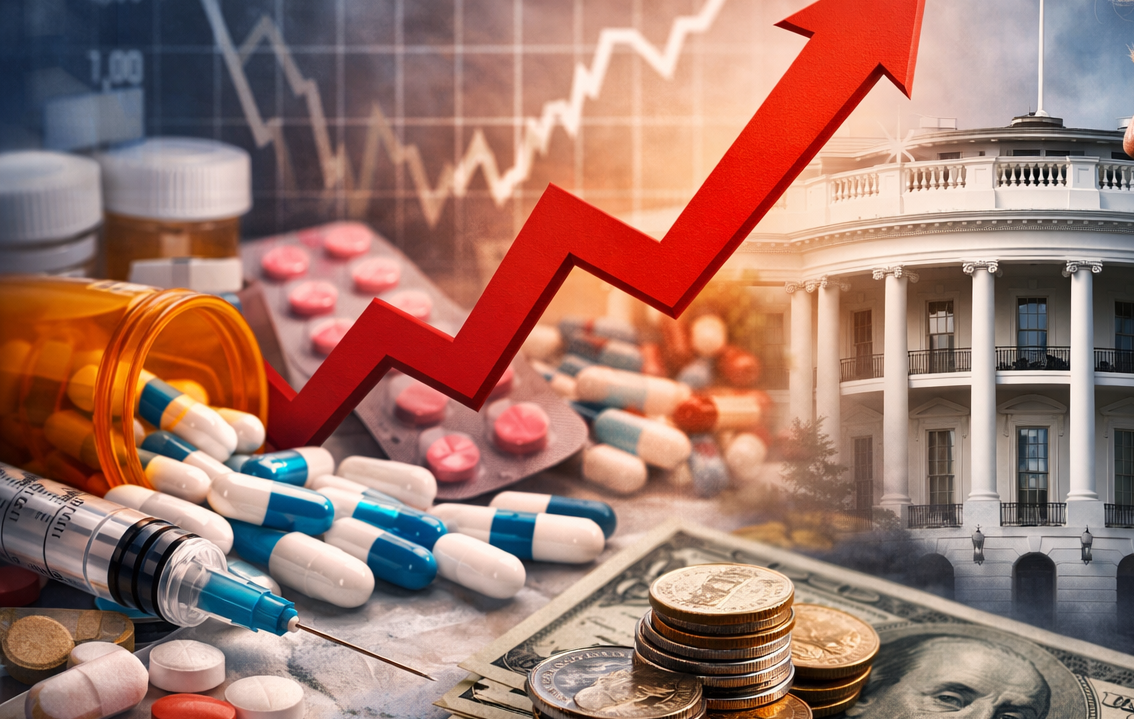
As of December 31, 2025, drugmakers are preparing to raise list prices in the United States on at least 350 branded medicines starting January 1, 2026. The moves land in the middle of a political campaign to show relief for everyday costs, and they put the spotlight back on why US drug prices remain so difficult to steer.
The immediate tension is simple. The White House is pushing companies to cut what Americans pay. Yet manufacturers are still lifting published prices across vaccines, cancer drugs, and common therapies. Some firms are also cutting prices on a small set of medicines at the same time, creating a confusing mix that looks like progress and provocation in one snapshot.
This piece explains what is changing on January 1, what list price increases do and do not mean in a rebate-driven system, and why both parties can claim they are “lowering prices” while patients still feel squeezed.
The story turns on whether political pressure can change the incentives that make higher list prices a rational choice.
Key Points
Drugmakers plan list price increases on at least 350 branded medicines starting January 1, 2026, with a median increase around 4%.
The set of planned increases is larger than this time last year, even as the administration highlights “most-favored-nation” style pricing agreements and direct-to-consumer initiatives.
The headline numbers reflect list prices, not the behind-the-scenes rebates and discounts that shape what insurers and pharmacy middlemen actually pay.
Some manufacturers are cutting list prices on a small number of medicines, including a major reduction for the diabetes drug Jardiance tied to Medicare’s first negotiated prices that begin in 2026.
Pfizer accounts for the biggest cluster of increases, including a notable jump for its COVID vaccine, while many other increases stay under 10%.
The biggest real-world exposure is for people who pay based on list price mechanics: the uninsured, patients in high-deductible plans, and those with coinsurance tied to a drug’s sticker price.
Background
List price is the published sticker price of a medicine, often described as a wholesale acquisition cost. In the United States, that number is rarely what large insurers pay after rebates, and it is even less likely to be what a patient pays at the pharmacy counter if they have good coverage. But list price still matters because it sets the starting point for rebates, influences what some patients pay in deductibles and coinsurance, and shapes negotiations across the supply chain.
A key player in that supply chain is the pharmacy benefit manager, or PBM. PBMs help employers and insurers run drug benefits, negotiate rebates, decide which medicines get preferred placement on formularies, and determine what patients pay at the point of sale. That structure can reward high list prices paired with large rebates, because rebates are often the currency used to secure coverage and market share.
At the same time, federal policy has started to narrow the space for big annual price hikes. Medicare now penalizes certain price increases that outpace inflation, and the first set of Medicare-negotiated prices for selected high-spend drugs is scheduled to take effect on January 1, 2026. That mix can push companies to be more cautious about repeated post-launch hikes, while also increasing the stakes around launch prices and list price strategy in the commercial market.
January is also the traditional reset point. Many drug price changes in the US system are timed for January 1, when contracts renew and benefit designs reset, making the first week of the year a recurring flashpoint in the politics of affordability.
Analysis
Political and Geopolitical Dimensions
The administration’s pressure campaign is built around a public promise: Americans should not pay dramatically more than patients in other wealthy countries for the same medicines. That message is politically potent because high prescription costs have become a durable cost-of-living symbol across party lines.
But the conflict is not only domestic. Most-favored-nation language implicitly compares US prices to those in peer countries, and any attempt to force US prices down raises a second-order question: who absorbs the difference. Drugmakers argue that overseas price-setting systems free-ride on US-funded innovation, while critics argue that US patients are subsidizing global profit margins through a uniquely permissive pricing environment.
That geopolitical framing can harden positions. It turns price cuts into a sovereignty argument, and it gives manufacturers a narrative that price pressure threatens future research. It also makes “wins” easier to stage: targeted discounts, limited-scope agreements, or direct-to-consumer offerings can be framed as transformation even if the system’s baseline incentives remain intact.
Scenarios to watch:
A tougher enforcement posture that ties federal contracting, tariffs, or procurement preferences to lower US prices.
A negotiated equilibrium where companies offer selective cuts for government programs while maintaining commercial pricing power.
Legal and regulatory friction that slows or narrows the reach of price controls, pushing the fight into courts and agencies rather than pharmacies.
Economic and Market Impact
The planned increases are mostly modest in percentage terms, but they compound. A 4% median hike repeated year after year is the kind of “quiet inflation” that rarely makes a household headline until it hits a deductible or an unexpected prescription.
The market impact also depends on how much of the increase sticks as net revenue. In many cases, manufacturers raise list prices while also increasing rebates to secure formulary position. That can keep net prices flatter than list prices, even while patients who pay cost-sharing based on list price feel the full force of the sticker shock.
Another pressure point is the split between retail and hospital-administered medicines. When a low-cost hospital drug jumps sharply in percentage terms, it may still be small in absolute dollars, but it can disrupt purchasing and amplify public outrage because it looks like gouging. Meanwhile, big-ticket specialty drugs can rise “only” a few percent and still move meaningful money.
Scenarios to watch:
Insurers respond by shifting formularies, tightening prior authorization, or raising premiums and cost-sharing to offset higher gross costs.
Employers push harder for point-of-sale rebate pass-through models that reduce patient exposure to list prices.
Investors reward predictable pricing power, reinforcing the incentive to treat list price increases as routine unless regulation imposes real downside.
Social and Cultural Fallout
For many Americans, the drug pricing story is not abstract. It is a monthly ritual: the refill that suddenly costs more, the new coinsurance math in January, the phone calls to insurers, the search for coupons, and the decision to delay or skip doses.
The burden falls unevenly. People with stable coverage may barely notice. Others, especially those in high-deductible plans early in the year, can see sharp out-of-pocket spikes tied directly to list price. The uninsured can face the starkest version of the system, where the published price is the starting point and the discounts are opaque or inconsistent.
The cultural impact is broader than health. It feeds distrust in institutions, resentment toward corporate power, and a sense that basic life needs are being priced like luxury goods. It also intensifies a familiar political cycle: outrage in January, hearings in spring, incremental reforms, and another January reset.
Scenarios to watch:
Increased state-level action targeting PBM practices, spread pricing, and rebate transparency.
Greater adoption of direct-to-consumer purchasing models, which could help some patients but also risks fragmenting access.
A stronger backlash against the idea that rebates are “savings” when the sticker price keeps rising.
Technological and Security Implications
Drug pricing is increasingly a data problem. Benefit design, rebate contracts, and coverage decisions are now mediated by software platforms and algorithmic utilization management. That can improve efficiency, but it can also make the system feel like a black box to patients and clinicians.
Direct-to-consumer channels, including manufacturer platforms and cash-pay programs, are also expanding. They can create real savings for some people, particularly those who fall through coverage cracks. But they also introduce new risks: fragmented pricing, confusing eligibility rules, and the possibility that patients will be steered into pathways that optimize corporate strategy rather than continuity of care.
There is also a resilience angle. When pricing pressure meets supply constraints, the risk of shortages and discontinuations rises for certain products, especially older generics or low-margin hospital drugs. Pricing policy and supply security are not the same problem, but they increasingly touch.
Scenarios to watch:
More transparency mandates that standardize how discounts and net prices are reported.
Stronger cybersecurity and privacy scrutiny as more patients buy medicines through online manufacturer channels.
Policy that ties pricing reforms to supply-chain resilience, especially for essential medicines.
What Most Coverage Misses
The loudest debate often treats “price hikes” as a single lever, but the system runs on multiple price layers. A list price increase can be real pain for patients even if net prices stay flat. And a “price cut” can be real politics even if it applies to a narrow segment or is offset elsewhere.
The second blind spot is that the biggest long-run driver of spending is often not annual increases on existing drugs. It is launch prices, market exclusivity, and the slow pace of genuine competition in many therapeutic categories. Annual hikes are the visible tip. The structure underneath decides whether the tip matters.
If the policy goal is to lower what people pay, then the most important question is not how many drugs have list price changes on January 1. It is whether reforms reduce the number of patients whose out-of-pocket costs are calculated from inflated sticker prices in the first place.
Why This Matters
In the short term, January 1 is the pressure test. That is when new list prices kick in, deductibles reset, and patients discover whether their plan design shields them or exposes them. The same week also sets the tone for the year’s political messaging on affordability.
In the longer term, 2026 is a hinge year because Medicare’s first negotiated prices on selected drugs are scheduled to take effect. That creates a new reference point for what “lower prices” can look like in a major federal program, and it may change how manufacturers think about pricing strategy in commercial markets.
Events and signals to watch next:
Additional manufacturer announcements in early January, when the largest share of annual price adjustments typically appear.
The rollout details and uptake of direct-to-consumer purchasing options promoted by the administration.
Insurer and employer benefit changes for 2026 that determine whether rebates are reflected at the pharmacy counter or absorbed elsewhere in the system.
Real-World Impact
A retiree in Florida with multiple chronic conditions hits a January deductible and finds that coinsurance is calculated from a higher list price. Their plan still covers the medicine, but the first few refills of the year feel like a sudden pay cut.
A self-employed contractor in Texas loses employer coverage and shops for a cash price. The list price increase matters immediately because discounts vary by pharmacy, and the “best” price depends on which program they can access that month.
A hospital pharmacist in Illinois sees a sharp price jump for an older injectable pain medicine. The absolute cost is not enormous, but the procurement disruption forces substitutions and tightens inventory planning.
A middle-income family in California is told a vaccine is recommended, but the out-of-pocket cost rises. They delay, not because they oppose vaccination, but because the timing collides with rent, groceries, and a new year’s budget reset.
What’s Next?
The January 1 changes will spark familiar outrage, but the bigger story is the tug-of-war between political messaging and pricing mechanics. List price hikes can look like defiance, yet they can still fit inside a system where rebates and net prices do the real financial work behind closed doors.
If the administration wants durable wins, it has to change what patients are exposed to, not just what manufacturers publish. That means benefit design, PBM incentives, and the rules that decide whether rebates reach the pharmacy counter.
The key sign will be whether 2026 brings a measurable drop in out-of-pocket costs for the groups most exposed to list prices: the uninsured, the underinsured, and people whose cost-sharing is tied directly to sticker prices. If those patients see relief, the politics will shift. If they do not, the system will keep producing the same January shock—no matter how many deals are announced in December.
