

Hamburg Airport Shutdown Raises A Bigger Question About Modern Travel Security
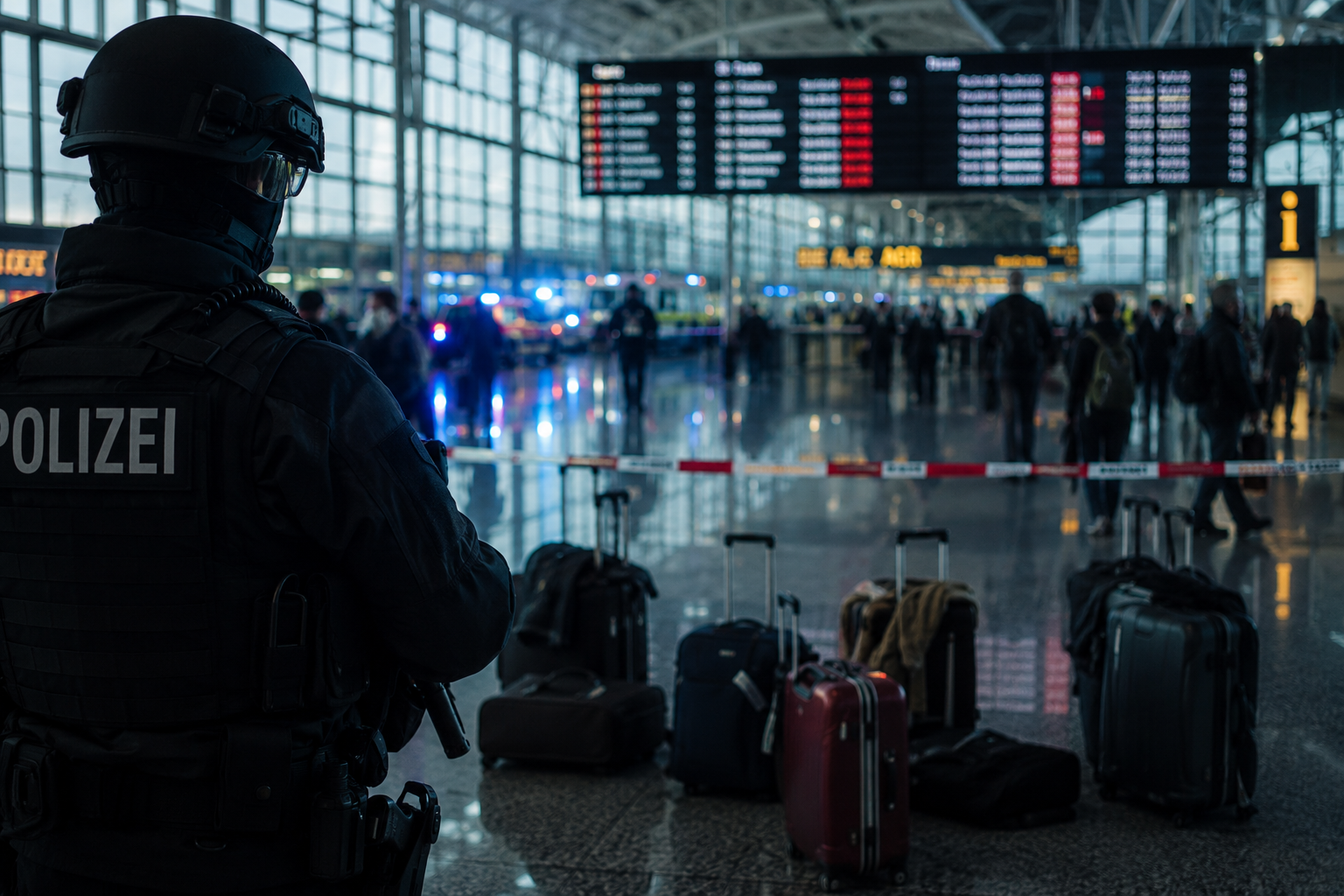
Why One Security Incident Brought Hamburg Airport To A Standstill
Why Hamburg Airport Suddenly Stopped Functioning Normally
One of Germany's busiest airports was forced into extraordinary measures after a security incident triggered a large-scale police response at Hamburg Airport on 12 June. Authorities evacuated the airport's security area, while departures were temporarily suspended and passengers were removed from restricted zones. Early reports indicated that even passengers who had already boarded aircraft were required to disembark as the situation unfolded.
At the time of writing, officials have confirmed the evacuation and police operation but have released only limited details about the precise cause. That uncertainty has become a major part of the story. When an airport's security infrastructure is interrupted, authorities tend to act first and explain later, prioritising risk elimination over convenience.
The Real Story Is Not The Evacuation Itself
Airport evacuations capture attention because they are highly visible. Crowded terminals, delayed departures and confused passengers create dramatic scenes. Yet the deeper issue is how dependent modern aviation has become on tightly controlled security systems.
Major airports are designed around the assumption that once passengers enter secure zones, every step of the process remains controlled and verified. If that chain is interrupted, even briefly, authorities may have little choice but to clear areas, re-screen passengers and investigate thoroughly. What appears to travellers as an inconvenience is often a reflection of how seriously aviation security protocols are treated.
Why Even Small Security Concerns Create Huge Consequences
Airports operate with extremely low tolerance for uncertainty. Unlike many public venues, aviation security is built around preventing worst-case scenarios rather than reacting to them after they occur.
That is why reports from Hamburg suggest investigators examined secured areas while police, customs officials and emergency personnel responded on site. Early information indicated that all departures were halted while investigations continued. Even if the underlying issue ultimately proves limited, the response can still affect thousands of passengers and dozens of flights.
The consequence is a familiar pattern across global aviation. One unresolved security concern can trigger delays that spread far beyond the airport where the incident began.
The Unknown Factor Is Driving Attention
What makes the Hamburg situation particularly compelling is that authorities initially disclosed very little about the trigger. Official reporting confirmed a security incident and evacuation, but not the specific threat being investigated.
In situations like this, uncertainty often becomes more disruptive than confirmed facts. Passengers begin searching for answers. Airlines start adjusting schedules. Airport staff prepare for extended disruption. Meanwhile, investigators work under pressure to determine whether the threat is genuine, accidental or ultimately harmless.
That information gap creates a powerful psychological effect. People are often more unsettled by uncertainty than by bad news that is clearly understood.
What Happens Next Matters More Than What Happened First
The immediate challenge for airport authorities is restoring confidence while maintaining security standards. Airports cannot simply return to normal because travellers are frustrated. They must first establish that restricted areas are secure and that any identified risk has been addressed.
The known position so far is that Hamburg Airport's security area was evacuated and departures were suspended during a police operation. The unanswered question remains what investigators ultimately determine caused the disruption.
For passengers, the practical reality is likely to be delays, missed connections and schedule changes. For airport operators, the challenge is balancing transparency with security considerations while investigations continue.
The Deeper Pressure Behind The Story
The Hamburg Airport disruption is not only an airport story. It is a reminder of how modern infrastructure works. Systems that appear stable are often stable because thousands of security checks, procedures and safeguards operate quietly in the background every day.
Most travellers never notice those systems because they are designed to be invisible. The moment one part of that structure comes under question, however, the entire operation can slow down or stop.
That is why the significance of this story extends beyond a single airport. The real issue is not merely that passengers were delayed. It is that modern transport networks depend on trust, verification and security operating flawlessly. When that confidence is interrupted, even briefly, the effects can spread far faster than most people realise.
