Luigi Mangione Pleads Guilty and Admits Killing UnitedHealthcare CEO
Luigi Mangione Faces Life After Admitting Brian Thompson Shooting
“I Shot Mr Thompson”: Luigi Mangione Admits UnitedHealthcare CEO Killing
Luigi Mangione has pleaded guilty to two federal charges connected to the killing of UnitedHealthcare chief executive Brian Thompson, admitting in open court that he deliberately travelled to Manhattan and shot him. The plea removes the need for a federal trial and leaves Mangione facing the possibility of spending the rest of his life in prison.
The legal wording matters. Mangione did not plead guilty to a surviving federal murder count; he pleaded guilty to interstate stalking resulting in death and stalking through the use of interstate facilities resulting in death. Yet his own admission went further than the names of those charges: he told the court that he shot Thompson and that Thompson died.
The Admission Inside the Courtroom
Mangione entered the plea before US District Judge Margaret Garnett in Manhattan on 14 August 2026. When asked how he pleaded to the two remaining counts, the 28-year-old answered guilty.
During his account of the offence, Mangione described researching UnitedHealthcare’s annual investor conference after years of severe back pain and frustration with the American healthcare system. He said he contacted the company while posing as an institutional investor to obtain information about the conference.
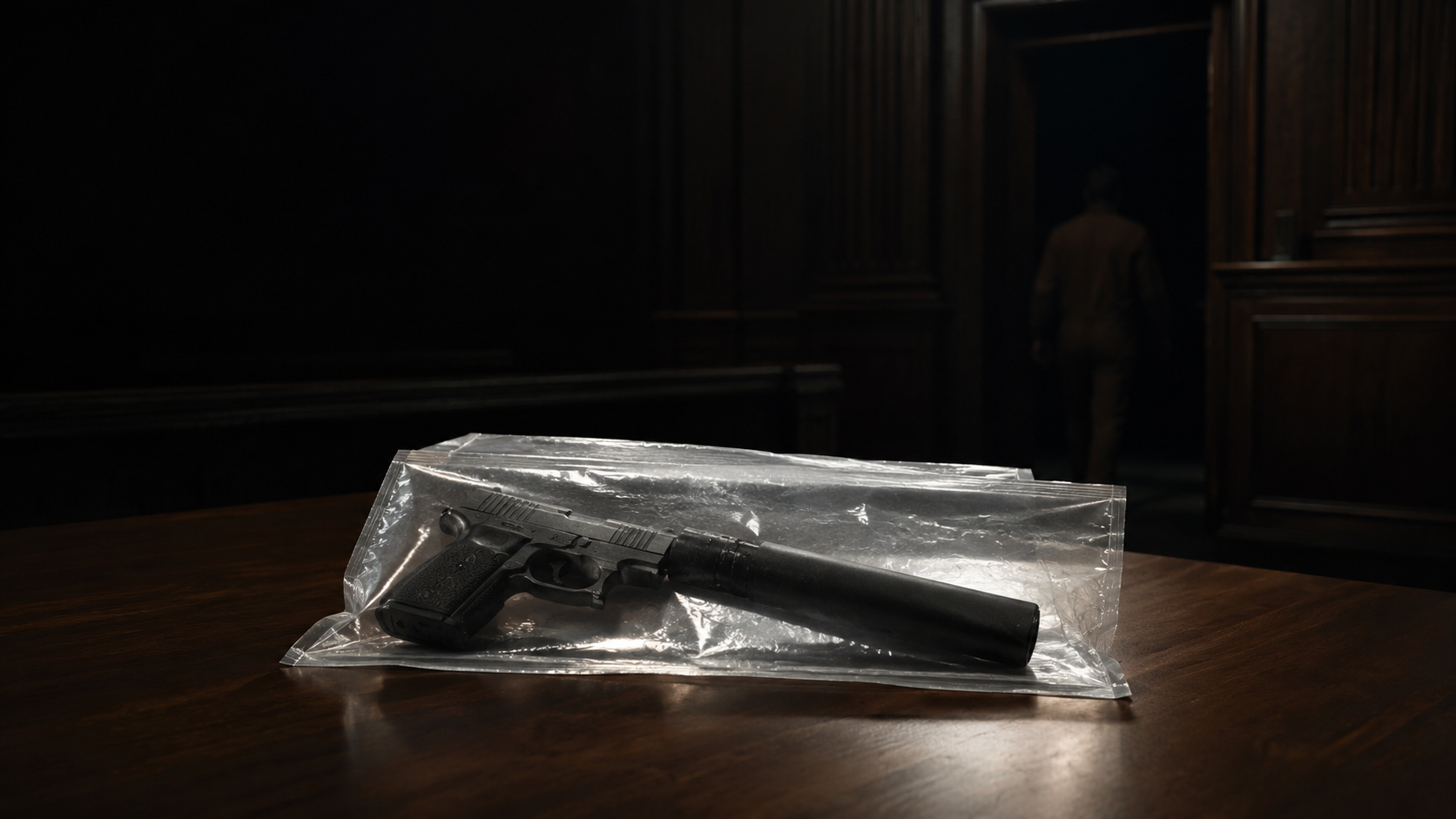
Mangione also admitted using a 3D printer to produce part of a gun, fitting the weapon with a suppressor and travelling to New York with the intention of shooting Thompson. He then delivered the admission at the centre of the case: he shot Thompson in Manhattan on 4 December 2024, and Thompson died.
The statement ends the uncertainty over whether Mangione would ever personally admit responsibility. Until Friday, he had pleaded not guilty and was preparing to contest the federal prosecution.
A Guilty Plea Without a Deal
Mangione entered his guilty pleas without a negotiated agreement with federal prosecutors. An open plea leaves the sentence to the judge rather than guaranteeing Mangione a fixed punishment or a specific concession from the government.
Each federal count carries a maximum sentence of life imprisonment. Prosecutors have indicated that they believe the applicable advisory sentencing range is between 292 and 365 months, although that calculation does not bind Judge Garnett.
Sentencing has been scheduled for 18 December 2026. Before then, prosecutors, the defence and Thompson’s family will have opportunities to address the punishment the court should impose.
The death penalty is no longer available in the federal case. Judge Garnett previously dismissed the federal murder-through-a-firearm and associated weapons counts that had made capital punishment possible, leaving the two stalking charges to proceed.
Why the State Murder Case Is Not Over
Mangione’s federal admission does not automatically end the separate prosecution brought by Manhattan authorities. He remains charged in New York with second-degree murder, weapons offences and possession of a forged instrument.
Jury selection in that case had been scheduled to begin on 8 September. His lawyers are now expected to argue that allowing the state prosecution to continue would improperly punish him twice for the same conduct.
That argument is more complicated than the familiar constitutional rule against double jeopardy. Federal and state governments are ordinarily treated as separate sovereigns, but New York law contains additional restrictions on successive prosecutions arising from the same criminal transaction.
State prosecutors can respond that the federal stalking offences and the New York murder charge contain different legal elements and protect different public interests. The federal counts focus on interstate travel and communications used to stalk Thompson, while the state case focuses directly on the intentional killing and alleged weapons possession.
The result could be a major legal fight before any state jury is selected. That dual-track problem had already placed Mangione’s approaching murder trial under pressure, but the guilty plea gives the defence a far stronger factual basis for demanding dismissal or delay.
From a Manhattan Shooting to a Federal Admission
Thompson, 50, was shot outside a Midtown Manhattan hotel as he walked towards an investor conference on the morning of 4 December 2024. The killing triggered a five-day search that ended when Mangione was arrested in Altoona, Pennsylvania.
Authorities said evidence recovered after the arrest included a weapon, suppressor, false identification and written material attacking the health-insurance industry. Mangione fought the admissibility and interpretation of evidence while maintaining not-guilty pleas in the federal and state proceedings.
The longer Luigi Mangione and Brian Thompson case timeline shows how the prosecution grew into more than one criminal case. It became a conflict over federal power, state law, corporate security, healthcare anger and the public glorification of political violence.
Friday’s admission removes the most fundamental factual dispute from the federal proceeding. Mangione acknowledged that he planned the journey, assembled the weapon, targeted Thompson and understood that his conduct was illegal.
Healthcare Anger Does Not Erase the Killing
Mangione linked his actions to chronic pain and his experience of the healthcare system. That explanation may become central to his request for a lower sentence, but it does not convert the killing into a lawful act or diminish the loss suffered by Thompson’s family.
The case attracted an unusually vocal following, with some supporters treating Mangione as a symbol of anger against insurers. That reaction exposed genuine hostility towards American healthcare practices, but it also blurred the boundary between condemning a system and celebrating the killing of an individual.
The guilty plea makes that distinction harder to evade. This is no longer merely a prosecution allegation about who fired the weapon. Mangione has personally admitted that he travelled to New York intending to shoot Thompson and carried out that intention.
What Happens Next
The immediate battle moves from federal guilt to federal punishment. Prosecutors are likely to emphasise planning, interstate preparation and the deliberate targeting of Thompson, while the defence can present Mangione’s medical history, mental state and acceptance of responsibility as grounds for a sentence below life.
At the same time, his lawyers can attempt to stop or postpone the New York trial. A state judge will have to decide whether New York’s successive-prosecution rules permit the murder and weapons case to continue despite the federal convictions.
Mangione’s plea therefore closes one courtroom battle while intensifying another. His admission has resolved who killed Brian Thompson, but it has not resolved how many courts may punish him, whether the state murder case will reach a jury or how much of Mangione’s remaining life will be spent in prison.
