

Rachel Reeves’s Budget Gamble
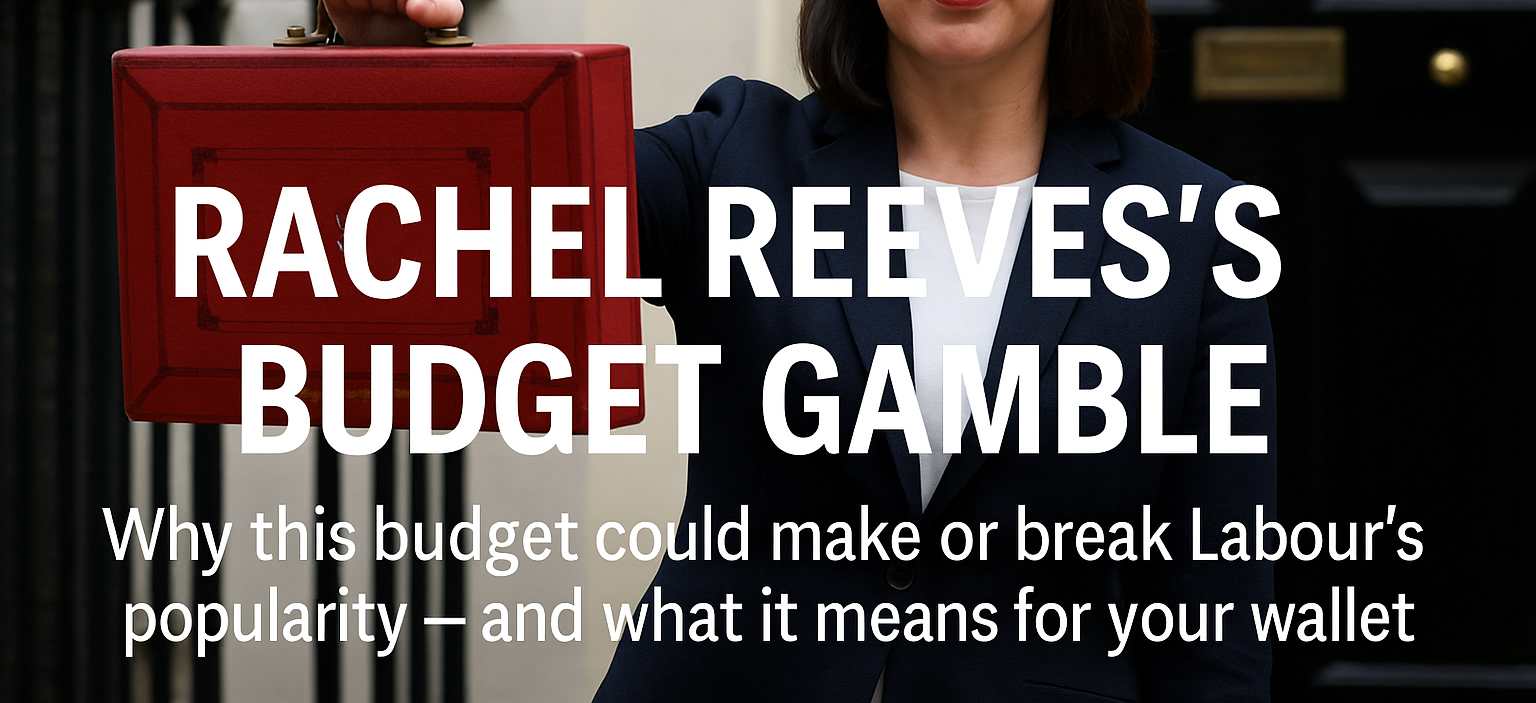
London wakes to a sharp November morning. The air is cold and grey. In a small flat, a mother warms milk for her child. She checks the electricity bill. It is higher than last month. She sighs. Across town, a shop owner examines his accounts.
he numbers are tight. Outside 11 Downing Street, a red budget box sits on a desk. In a week, Chancellor Rachel Reeves will carry it to Parliament. She will speak about taxes and spending. The country is listening.
Background
Rachel Reeves is Britain’s finance chief. A year ago she led Labour to power in a surprise win. It was the first change of government in over a decade. Labour’s campaign promised to revive growth and ease living costs. In opposition, Reeves vowed not to raise taxes on ordinary workers, and she championed big spending on green energy and jobs. But once in government, her stance shifted. Early in 2024 her pledge of £28bn a year for climate investment was cut in half. By last autumn much of that plan was abandoned.
When Reeves delivered her first budget in 2024, it included record tax rises. Employers’ payroll taxes went up and the capital gains tax rate for wealthy investors nearly doubled. Inheritance tax thresholds were frozen and pension tax reliefs were curtailed. These measures raised billions of pounds to fund extra health and energy spending.
The broader economy is under strain. Britain has faced years of upheaval: Brexit, a pandemic and a global energy crisis. Inflation once hit double digits and now stands around 4–5%. Prices of food, fuel and rents have climbed far faster than wages. Many families feel squeezed. At the same time, government debt is near record levels. Official forecasts warn of slow growth ahead and a large gap in the public finances. Independent economists say there may still be roughly £20–30 billion to find to meet the government’s fiscal targets. Reeves herself admits there are “no easy choices” to fix the books.
Public services are also a concern. The NHS has long waiting lists and staff shortages. Schools report gaps in teachers. Local councils warn they may have to cut social care funding. Labour’s spending review last year largely kept department budgets flat in cash terms, pledging no cuts. But with inflation high, flat cash means real cuts to services. Even before this budget, Reeves rolled back some earlier plans on pensions and welfare to save money. The picture is one of tight budgets: big goals for health, education and greener power, but limited cash to deliver them. The upcoming budget must show how Reeves balances those hopes against the limits.
Core Analysis
Tax policy and revenue: The chancellor must raise new money carefully. Labour’s manifesto promised no tax rise on working incomes, ruling out big changes to income tax or employee National Insurance for now. Instead, officials say Reeves is eyeing taxes on wealth and property. This could mean ending some pension or inheritance tax reliefs, or even a levy on very expensive homes. Stamp duty and council tax reform are under review, too. In her first budget, she already raised employers’ payroll taxes and hiked capital gains tax on the rich. Now she must choose what comes next. She insists any new tax will hit “those with the broadest shoulders” – meaning wealthier people – but every option has a political cost.
Spending and services: The budget must set spending plans as well. A recent spending review fixed most departments’ cash budgets out to 2029, with only small increases. The government says it will honor that plan. But inflation has been high, so flat cash funding shrinks in real terms. Reeves has warned there are “no easy choices,” meaning both tax rises and spending cuts are on the table. She will likely publicly shield priorities like the NHS and schools while pushing for efficiency behind the scenes. Extra funding might go to growth-driving areas such as job training, digital infrastructure or green projects. If revenues come up short, less urgent projects may have to be deferred or slimmed down.
Growth strategy: Labour still talks up an agenda of growth and investment, especially in clean energy and technology. But its plans have become more modest. Early on, Reeves proposed a massive green stimulus; now she speaks more of jobs and lower bills. This budget may include targeted support – for example, tax breaks or grants for housebuilding, R&D or energy projects that promise returns. She has a new “investment rule” allowing more borrowing for infrastructure while debt as a share of GDP is falling. With limited headroom, however, any big project now means tighter margins later. The key test will be whether the budget can boost growth without breaking the fiscal rules.
Political stakes: Everything is on the line politically. Many voters feel pinched and will notice any change that affects their wallet. If ordinary people see new taxes or benefit cuts, Labour risks losing trust. Critics warn a broken “no-tax-on-workers” pledge could be fatal to Labour’s support. On the other hand, sticking rigidly to all promises could mean painful cuts later, which would also hurt the party. Business leaders will watch, too: higher payroll taxes or borrowing that alarms markets could cool hiring. In short, the decisions here could shape Labour’s popularity for years.
Why This Matters
Household budgets: Most Britons are struggling with high prices. If this budget cuts VAT on energy or extends bill support, families will save money each month. If instead other taxes rise or support is withdrawn, they will have less for food, fuel and essentials. When budgets are tight, even a small change in tax or benefit can make a big difference to a family’s finances. This budget will help determine whether ordinary households finally get some relief or continue to feel squeezed.
Taxes and fairness: How the tax burden shifts will affect perceptions of fairness. For example, a new levy on luxury homes would mainly hit the very rich. Keeping income taxes and National Insurance flat, as promised, spares most workers. But any higher council tax or hidden charges (e.g. on shops or landlords) could directly hit the middle class. Voters will ask: are the measures hitting those “who can pay,” or everyone? The sense of fairness – or unfairness – can sway public opinion more than the numbers themselves.
Housing and property: Property taxes and housing policy are key to many people’s lives. A cut in stamp duty on first homes would help young buyers, while a new annual charge on mansions would only affect wealthy owners. Landlords facing higher taxes might raise rents, affecting tenants. Labour has also pledged to build 1.5 million homes; whether the budget funds housing construction will affect long-term rents and prices. In the short run, any change to housing taxes will influence mortgage deals and rent levels. The budget will thus play a role in how hard it is to buy or rent a home.
Public services: The budget underpins schools, hospitals, police and more. If their funding does not keep pace with rising costs, service quality will suffer. That could mean longer hospital waits, bigger class sizes and slower care for the elderly. Reeves says she will protect key services, but even holding budgets flat is effectively a cut. Every hospital appointment or school placement could feel the squeeze. In practice, voters often notice cuts in services faster than cuts in taxes, so these outcomes are extremely visible.
Real-World Examples
A renting family in Manchester lives month to month. They do not pay council tax or stamp duty, so property taxes don’t hit them directly. But if the budget removes the 5% VAT on energy bills, their monthly gas and electricity costs would fall. If instead their benefits are tightened or inflation-driven tax rises arrive, their rent and bills will consume an even bigger share of their pay. Small changes in welfare or housing support could be the difference between making ends meet or not.
A pensioner in Yorkshire lives on a fixed state pension and savings. Heating her home is a major expense. If Reeves’ budget extends winter fuel payments or cuts energy VAT, she will save money on fuel. If, on the other hand, her annual pension increase is held down or a benefit is means-tested, she could feel the loss. With hospital waits long, extra NHS funding would help people like her get care sooner. For pensioners, every pound in aid or extra cost matters for living security.
A small business owner in Leeds runs a corner shop. Her costs jumped last year after higher National Insurance bills. If this budget raises business taxes further, she might raise prices or cut staff. If it instead cuts small-business rates or offers grants (for example to hire apprentices or go green), she could afford to hire another assistant. Decisions on VAT, import duties or digitalisation grants will directly shape whether her business grows or stalls.
A first-time homebuyer in rural Wales has saved for years for a deposit. If the budget cuts stamp duty on starter homes, she could save a few thousand pounds and finally afford a mortgage. If a new tax only targets very high-end properties, her search may go on unchanged. If Labour’s plan to build 1.5 million homes is funded, then over time rents in her area might come down, making life easier for her as a tenant. Without that, she still faces high rents and tough property prices. The budget’s housing choices will shape her chances of owning a home.
