Russell Brand Trial Enters Witness Evidence as Former Friend Takes the Stand
The First Prosecution Witness
Russell Brand Jury Begins Hearing From First Prosecution Witness
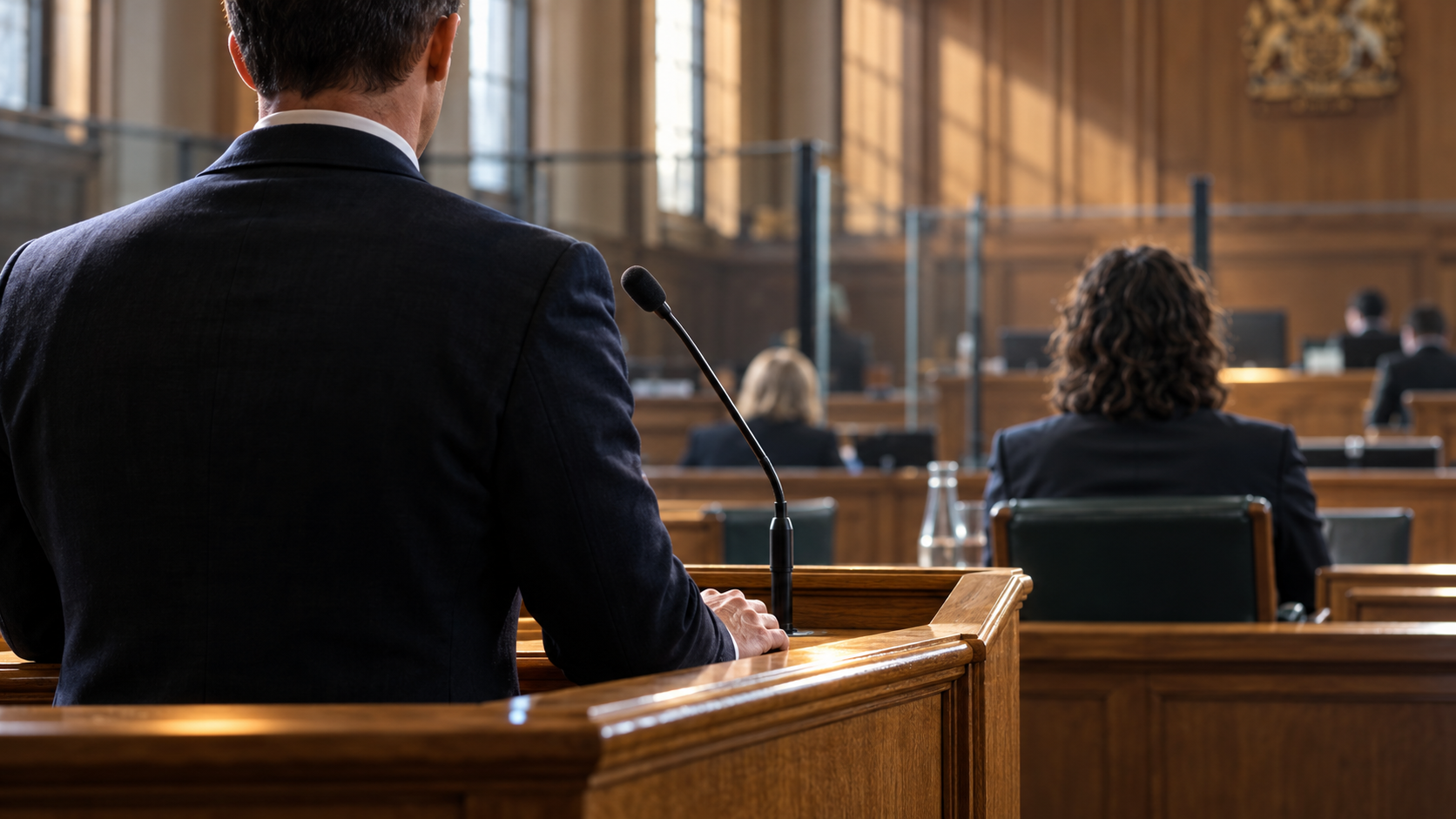
Mark Pinheiro gives evidence at Southwark Crown Court as the prosecution begins calling witnesses; Brand has pleaded not guilty.
Russell Brand’s trial moved into witness evidence on Wednesday, 14 October 2026, when his former friend Mark Pinheiro took the stand. The development followed the prosecution’s opening address and brought the jury to the next stage of the case: hearing testimony.
Brand, 51, denies three counts of rape, three counts of sexual assault and one count of indecent assault. The charges concern six women and alleged incidents between 1999 and 2009. He remains presumed innocent.
What the First Witness Told the Court
Pinheiro’s evidence concerned his association with Brand, including a journey to Bournemouth for a performance linked to the Labour Party conference in 1999. He told jurors that Brand had discussed an ambition to sleep with 5,000 women.
The witness also described an abrupt departure from Bournemouth. According to Pinheiro, Brand wanted the group to return to London and referred to an audition he needed to attend.
These are statements attributed to a witness in the prosecution case. They should not be presented as findings that the jury has accepted, or as proof of any particular charge.
The Allegation Connected to Bournemouth
Prosecutor Riel Karmy-Jones outlined an allegation that Brand raped a woman in a Bournemouth hotel room in 1999. Brand denies that allegation.
The prosecution also set out allegations relating to later encounters in workplaces, a bar and his home. Those opening descriptions explain the case prosecutors intend to prove; they are not verdicts.
The distinction is especially important in a developing trial. An account introduced by counsel and a witness answering questions are different parts of the proceedings. Coverage needs to make clear which has occurred, rather than treating every courtroom allegation as completed testimony.
Brand’s Position and the Jury’s Task
Brand has denied non-consensual sexual activity. His not guilty pleas put the criminal allegations in dispute, and the prosecution bears the burden of proving its case.
The charges and possible outcomes of the trial provide the wider context. The immediate issue is narrower: what evidence is placed before the jury and how it stands up to challenge.
Descriptions of someone’s sexual ambitions or personality do not, by themselves, establish whether a particular encounter was consensual. The assessment must concern the offences charged and the evidence relevant to them.
The Proceedings Remain Active
The Crown Prosecution Service authorised the initial charges in April 2025 after reviewing police evidence. That announcement concerned four women and alleged offences between 1999 and 2005; it was an earlier stage of the case, not the complete charge list now being tried.
The service stressed that charging decisions do not determine guilt. It also warned against commentary that could prejudice active proceedings and explained the lifelong anonymity protections applying to complainants in sexual offence cases.
This update covers the move into first-witness evidence on 14 October. It does not establish that Pinheiro’s testimony or cross-examination has concluded. The remaining evidence and the defence’s challenges are still material to the jury’s eventual assessment.
Sources
The Times — Russell Brand Trial: Live Court Updates — First-witness testimony from Mark Pinheiro on 14 October 2026.
Reuters — Comedian Russell Brand Was a Ruthless Sexual Predator, UK Prosecutors Say — Prosecution opening, current charges and Brand’s denials; the headline describes the prosecution’s allegation.
Crown Prosecution Service — CPS Authorises Charges Against Russell Brand — Initial charging decision of 4 April 2025, fair-trial warning and anonymity protections.
Next Reads
Russell Brand Faces Three Rape Charges As Criminal Trial Begins: The Evidence, Allegations And Possible Prison Sentence — Background to the charges, trial process and possible outcomes.
