The Ceasefire That Didn’t Stop the War: Inside the Illusion of De-Escalation as the Middle East Burns On
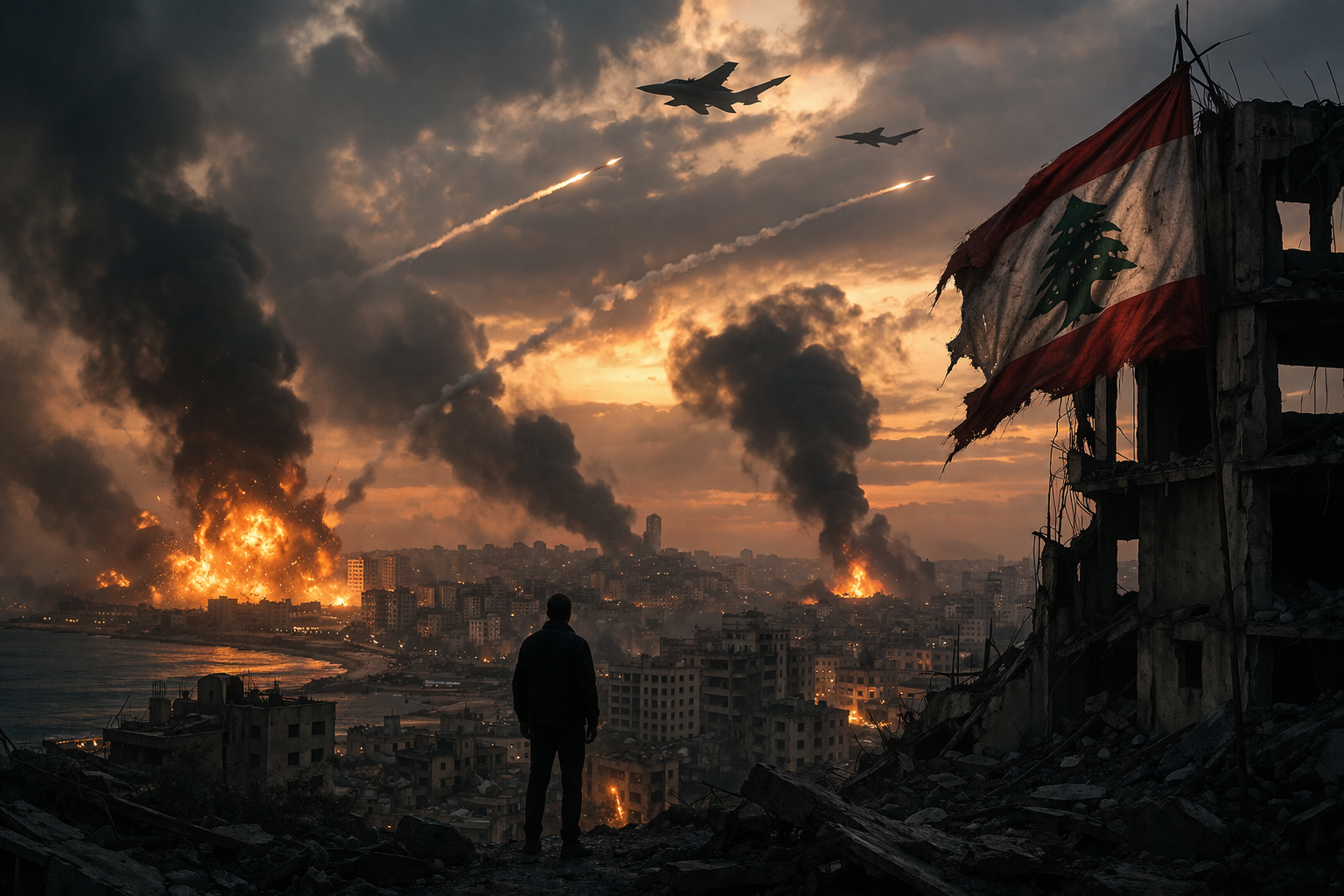
A Pause on Paper, A War in Motion: Why the Iran Ceasefire Changes Nothing
A fragile two-week pause between the US and Iran masks a deeper reality: the war hasn’t stopped—it has fractured, spread, and become harder to control.
A Ceasefire That Freezes One War—While Igniting Others
A two-week ceasefire between the United States and Iran should have marked a turning point.
Instead, it has exposed something far more dangerous: the war never actually stopped.
Within hours of the agreement, Israeli forces continued large-scale strikes in Lebanon, targeting Hezbollah positions. Iran-linked attacks and proxy activity across the Gulf persisted. Missile alerts and scattered strikes were still being reported across multiple theaters.
The result is not peace.
It is fragmentation.
A war that was once concentrated is now splintering across borders, actors, and objectives—making it harder to contain, harder to predict, and potentially more explosive.
What The Ceasefire Actually Does—and Doesn’t Do
On paper, the agreement is simple:
The US pauses direct military strikes on Iran
Iran agrees to conditions including reopening the Strait of Hormuz
Negotiations begin under international mediation
But the reality is far messier.
The ceasefire does not apply to Israel’s war with Hezbollah in Lebanon—a critical omission that effectively keeps one of the region’s most volatile fronts active.
Israel has been explicit: operations in Lebanon will continue regardless of the Iran deal.
At the same time:
Hezbollah has paused some attacks—but warned the truce could collapse
Iran-backed groups across the region remain active
Gulf tensions tied to shipping, oil routes, and proxy strikes remain unresolved
This is not a unified ceasefire.
It is a selective pause.
The Hidden Logic: Why This Isn’t De-Escalation
At first glance, a ceasefire suggests cooling tensions.
In reality, it can do the opposite.
By pausing direct confrontation between the US and Iran, the agreement removes immediate escalation pressure at the top level—but leaves lower-level conflicts free to intensify.
That creates three dangerous dynamics:
1. Proxy Wars Take Center Stage
With the US stepping back temporarily, regional actors—especially Israel and Iran-linked militias—carry the fight forward.
2. Strategic Breathing Space
Both sides use the pause to regroup, reposition, and prepare for the next phase.
3. Confusion Over Rules
Conflicting interpretations—especially over whether Lebanon is included—create ambiguity that fuels further escalation.
This is not de-escalation.
It is redistribution of conflict.
The War Is Now Regional—Not Bilateral
The biggest shift is structural.
This is no longer a US vs. Iran confrontation.
It is now a multi-front regional war, with overlapping conflicts across the following:
Lebanon (Israel vs Hezbollah)
Gulf shipping lanes (Iran-linked threats)
Iraq and Syria (proxy militia activity)
Israel itself (ongoing missile threats)
This expansion has been building since the war began in late February, when coordinated US-Israeli strikes triggered retaliatory attacks across multiple countries and regions.
The ceasefire doesn’t reverse that.
It locks it in.
What Media Misses
Most coverage treats the ceasefire as a step toward peace.
It isn’t.
It’s a shift in the structure of the war.
The conflict has moved from:
Direct, high-risk confrontation
→ toDistributed, multi-theatre escalation
That matters because distributed wars are harder to stop.
They don’t end with one agreement.
They require multiple simultaneous de-escalations—across actors who don’t all answer to the same incentives.
Right now, that coordination doesn’t exist.
Why The Next Two Weeks Matter More Than The Last Six
This two-week window is not just a pause.
It’s a countdown.
Negotiations are scheduled. Positions will harden. Military assets will reposition. Each side will test the limits of the agreement.
And crucially:
If the ceasefire holds, it opens a path to broader negotiations
If it fractures, escalation could return faster and harder than before
The risk is not just a return to war.
It’s a wider war than the one that was paused.
What Happens Next
Three scenarios are now in play:
Most Likely
The ceasefire holds at the US-Iran level, but regional fighting continues—creating a prolonged, unstable stalemate.
Most Dangerous
Breakdowns over Lebanon or proxy attacks collapse the ceasefire entirely, triggering renewed US or Israeli strikes on Iran.
Most Underestimated
The war slowly normalizes into a long-running regional conflict—less dramatic day-to-day, but far more destructive over time.
The Real Meaning Of This Moment
The ceasefire headline suggests control.
The reality suggests the opposite.
The war hasn’t ended. It has changed shape.
And shape matters.
Because a centralized war can be stopped with a deal.
A fragmented war spreads, adapts, and survives beyond any single agreement.
That is the real danger now.
Not that the ceasefire fails.
But that it succeeds—just enough to hide how unstable everything has become.
