The Timeline Behind Austin’s Random Teen Shooting Spree Is Starting To Terrify Texas
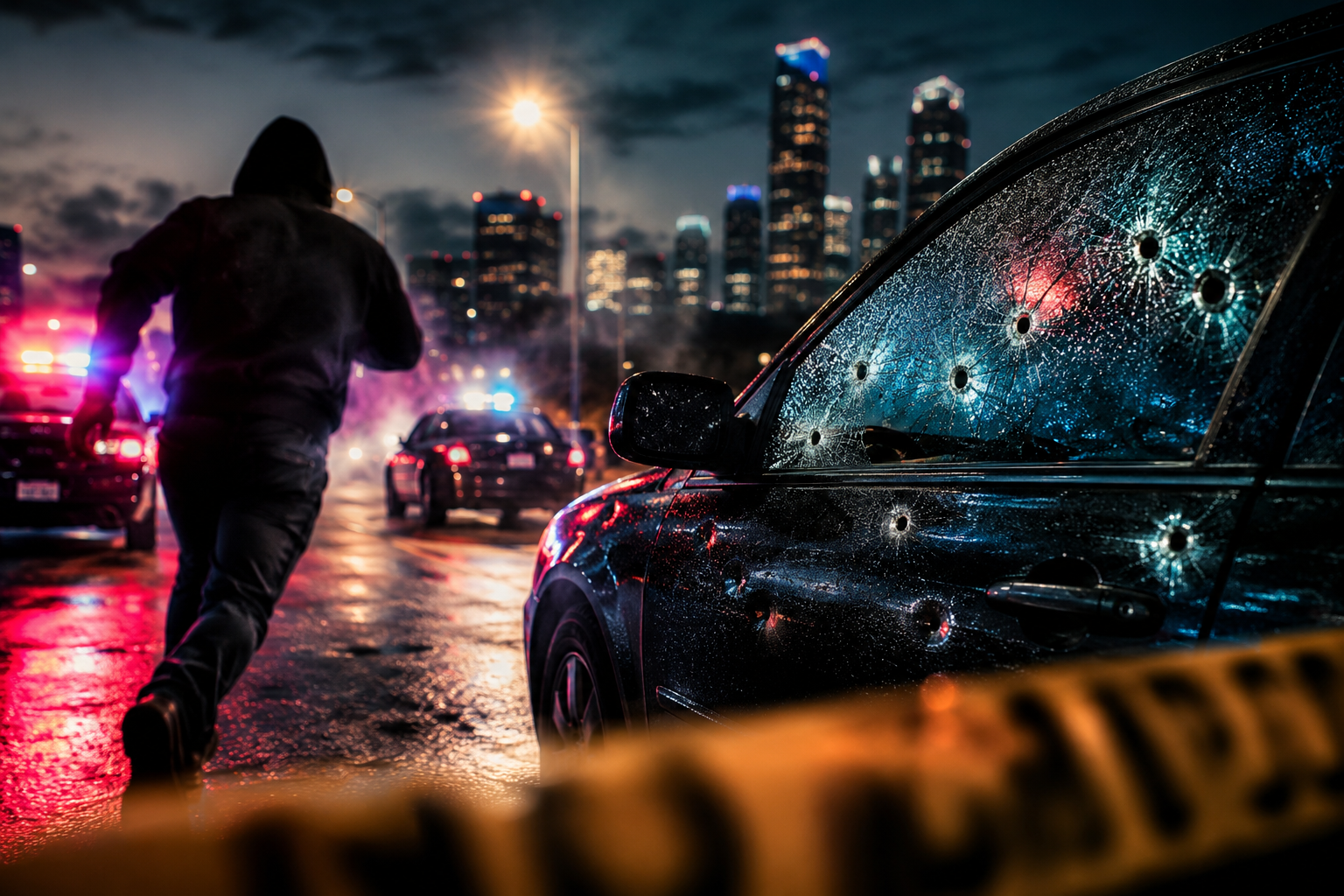
Inside The 28 Hours That Turned Austin Into A Rolling Crime Scene
Austin’s 28-Hour Teen Shooting Rampage Just Got Even More Disturbing
What began as scattered gunfire reports rapidly became one of the most chaotic multi-scene violence investigations Austin has faced in years.
Austin police now believe a group of teenagers carried out a sprawling series of shootings, vehicle thefts, and violent incidents across the city over roughly 28 hours. What initially looked like isolated attacks has evolved into something far more alarming: a rolling sequence of random violence that reportedly stretched across neighborhoods, apartment complexes, streets, and even fire stations.
The most unsettling detail is not simply the number of incidents. It is how quickly the alleged attacks escalated, how mobile the suspects appeared to be, and how difficult it became for authorities to predict where the violence would move next.
The Timeline Started With Stolen Cars And Escalated Fast
Authorities say the violence began Friday and accelerated into Saturday with a string of vehicle thefts and shootings linked together by surveillance footage, witness accounts, and police tracking efforts.
Investigators believe the suspects moved through Austin using multiple stolen vehicles, allegedly changing cars repeatedly while continuing the attacks. Officials say at least four or five stolen vehicles became part of the broader timeline as the suspects allegedly moved from one crime scene to another.
Police now say the attacks included shootings into homes, apartment buildings, occupied vehicles, and public infrastructure. At least two Austin fire stations were reportedly struck by gunfire during the spree, adding another layer of shock to the investigation because emergency responders themselves appeared to become targets.
The randomness is a major reason why the case has generated such intense concern. Officials have repeatedly indicated there is currently no confirmed motive linking the incidents together beyond what appears to have been opportunistic, escalating violence.
The Violence Reportedly Became Increasingly Reckless
As the timeline expanded, the shootings reportedly became more brazen and more dangerous.
One victim was allegedly shot while walking a dog. Other shootings reportedly occurred near stores, residential areas, and apartment complexes. Officials say four people were injured during the spree, with at least one suffering life-threatening injuries.
The deeper fear behind the story is that the attack was not a single explosive incident confined to one location. It was mobile, unpredictable violence moving through a major American city over many hours.
That changes the psychological impact entirely.
Residents were dealing with multiple known danger zones. The alleged threat kept shifting. Police eventually issued shelter-in-place warnings covering parts of South Austin and surrounding areas as officers attempted to locate the suspects.
The Suspects Are All Teenagers
One of the most disturbing aspects of the case is the age of those accused.
Authorities say the suspects are teenagers, including at least one 15-year-old and one 17-year-old. A third juvenile suspect was later taken into custody as the investigation widened.
Police reportedly believe at least some of the firearms involved were themselves stolen. Officials also indicated that one suspect may already have been wanted in connection with an earlier firearm theft investigation before the Austin rampage unfolded.
That detail pushes the story into a much larger national conversation about juvenile violence, stolen firearms, repeat offending, and the increasing age collapse visible in some of America’s most serious violent crimes.
The question hanging over the case is brutally simple: how did a group of teenagers allegedly gain the ability to move through a city committing repeated armed attacks for so long before being stopped?
The Investigation Became A Citywide Hunt
Police say they eventually tracked the suspects using a combination of surveillance footage, stolen vehicle data, officer coordination, and pursuit operations.
According to investigators, one suspect was arrested after a vehicle pursuit involving a stolen Kia. Another was reportedly captured after fleeing officers. Authorities later connected the group to numerous separate scenes spread across Austin.
Austin Police Chief Lisa Davis praised what she described as rapid coordination between responding agencies during the investigation. But the scale of the alleged spree is still likely to raise uncomfortable questions about how modern urban policing handles fast-moving multi-scene violence carried out by mobile suspects.
Because the incident was not a static crime scene.
It was allegedly a constantly evolving chain of shootings unfolding across neighborhoods, roads, and public spaces while officers raced to understand whether the attacks were connected.
The Bigger Fear Underneath The Story
The Austin case taps directly into one of the deepest modern urban anxieties: random violence with no obvious target selection.
People psychologically process gang disputes, domestic incidents, or targeted attacks differently because there is at least some visible logic behind the danger. Random mobile violence feels different because ordinary routines suddenly stop feeling safe.
Walking a dog.
Driving home.
Sitting inside an apartment.
Passing a fire station.
The alleged timeline suggests everyday spaces repeatedly became potential danger zones during the spree. That creates a much broader atmosphere of fear than a single contained shooting incident.
It also intensifies scrutiny around how stolen firearms, juvenile crime networks, and repeat offending interact inside large cities already dealing with strained policing environments and rising public anxiety around violent crime.
The Timeline May Still Expand Further
Investigators are continuing to piece together the full sequence of events, and authorities have indicated the timeline remains active as evidence continues to be reviewed.
That matters because large rolling crime sprees often become bigger as investigators connect surveillance footage, ballistics evidence, vehicle movements, and witness testimony after arrests are made. The publicly known version of events may still be incomplete.
For Austin, the story is already severe enough.
A group of teenagers allegedly moved across the city for more than a day committing shootings, vehicle thefts, and attacks random enough to force shelter-in-place warnings across parts of the city. Even in a country deeply accustomed to violent headlines, that is the kind of timeline capable of leaving a lasting psychological scar on a city.
