Tigray Forces Take Mekelle Airport as Fighting Raises Fears of Another Ethiopian War
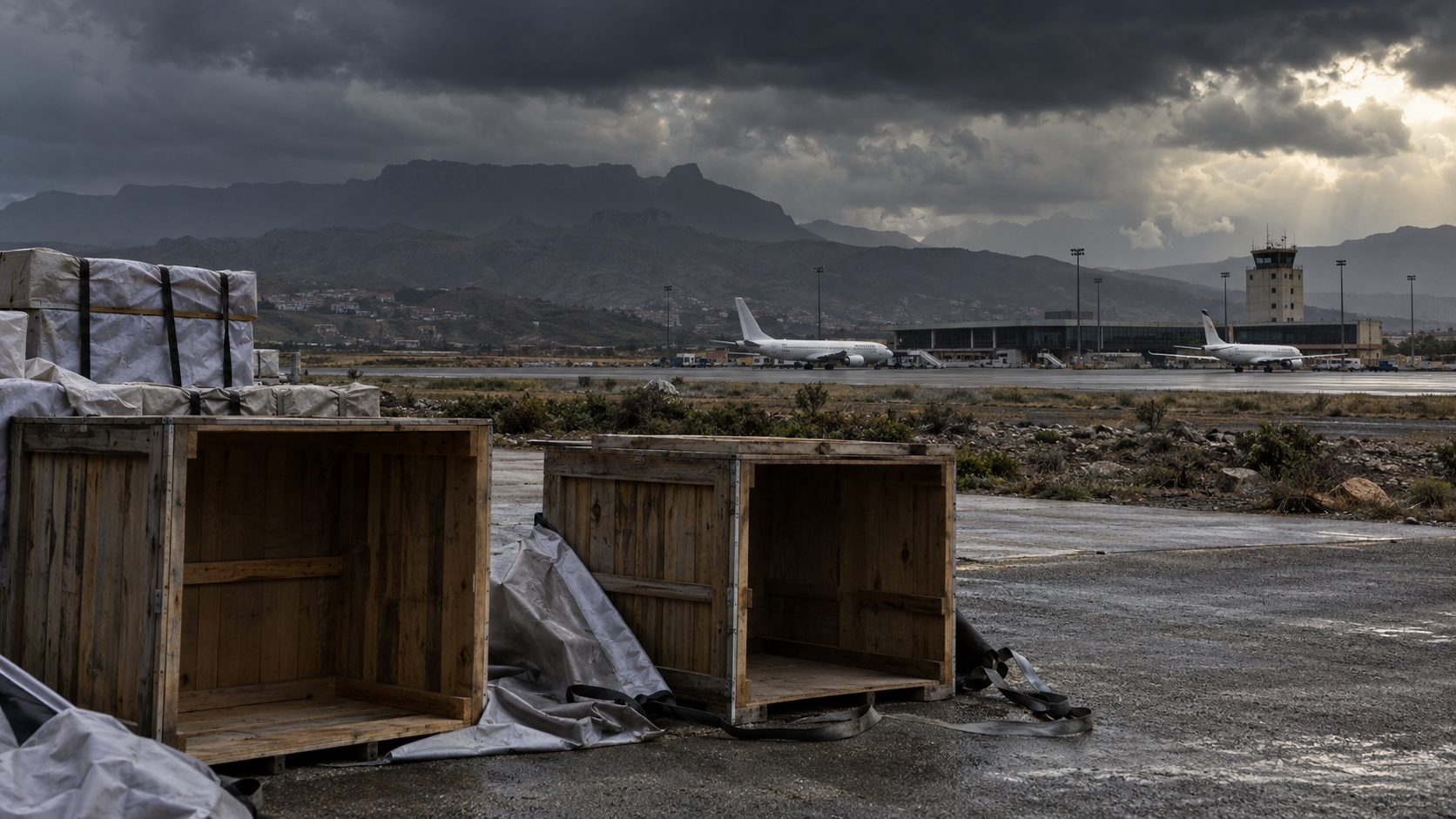
Flights Suspended After Tigray Forces Take Mekelle Airport
Mekelle Airport Taken as Ethiopia’s Tigray Peace Comes Under Strain
Tigrayan forces took control of the airport serving Mekelle, the capital of Ethiopia’s Tigray region, according to local and security sources cited in reporting on Wednesday, 23 September. Fighting has also been reported between Tigrayan and federal forces in neighbouring Afar.
Ethiopian Airlines said it had suspended flights to three Tigray airports — Mekelle, Axum and Shire — because of the current situation. Later on Wednesday, Tigray’s regional government said its fighters had entered what it called a “defensive war” against federal troops, Reuters reported.
Those are substantial developments. They do not yet provide a complete or independently settled account of every battlefield movement, casualty or claim made by either side.
What happened at Mekelle airport?
Local and security sources reported that Tigrayan forces controlled the airport. An airport employee told Euronews that staff travelling to work had been instructed to turn back after their supervisor was told Tigrayan forces had taken it over. A foreign security source also confirmed the reported change of control to the outlet.
The airport has practical importance beyond its visibility on a map. Air travel connects Tigray to the rest of Ethiopia. Suspending services can affect families, businesses, medical journeys and people attempting to move in or out of the region.
The airline’s statement confirms its flight suspension. It does not, on its own, establish how long the interruption will last or that all routes for people and supplies have closed. Those consequences will depend on what happens next at the airport and across the region.
Where else is fighting reported?
Euronews reported clashes around Abala and Erebti in Afar, citing humanitarian and security sources. Abala is near the boundary with Tigray; Erebti lies farther into Afar. Fighting in those locations would mean the confrontation cannot be understood solely as a dispute at Mekelle airport.
A former senior official of the Tigray People’s Liberation Front, or TPLF, claimed Tigrayan forces controlled several additional locations in Afar and that federal forces were retreating. That is an account from a person associated with one side of the conflict. The full extent and durability of the claimed territorial gains had not been independently established in the reporting checked for this article.
One humanitarian source described sending food to people displaced by the fighting. That is an immediate warning about civilian need, although no reliable total for newly displaced people was established in the reports reviewed here.
Why is the 2022 peace agreement so important?
The TPLF and Ethiopia’s federal government fought a devastating war beginning in 2020. A peace agreement reached in Pretoria in 2022 created a route away from large-scale fighting, but it did not erase the political, security and territorial disputes beneath the conflict.
That history makes each new clash particularly alarming. A return to sustained warfare would affect communities still living with the consequences of the previous conflict. Disrupted transport can also make it harder to assess needs and deliver help.
The present situation should be described precisely. Serious fighting and an explicit declaration by the Tigray regional government are evidence of a dangerous escalation. They do not, by themselves, tell us how long the fighting will continue or prove that every element of the earlier settlement has formally ended.
How does the new armed alliance fit in?
Two days before the airport reports, seven Ethiopian armed groups announced an alliance aimed at removing Prime Minister Abiy Ahmed’s government. Reuters and the Associated Press reported that it brought together factions from different parts of Ethiopia, including groups that fought on opposing sides during the earlier Tigray war.
That announcement broadens the political context. It does not establish that all seven organisations now share a functioning military command, agree on disputed territory or are jointly participating in this week’s clashes. A declaration of common purpose and coordinated action on the ground are different things.
The relationship between the alliance and the latest fighting will need careful examination as more reliable information emerges.
What should readers watch next?
The most urgent questions are whether Mekelle airport remains under Tigrayan control, whether flights can resume, whether fighting spreads farther across Afar and whether civilians can travel safely. Statements from the federal government and Tigray’s authorities also need to be compared with independent observations wherever possible.
Early reports from a fast-moving conflict can be accurate about one location and outdated about another within hours. Casualty figures, footage and sweeping claims of victory deserve individual verification before publication.
For now, three developments define the situation: control of Mekelle airport was reported by multiple local and security sources; Ethiopian Airlines suspended flights to three Tigray destinations; and the regional government publicly described its forces as being in a defensive war. The question is whether the fighting can be contained before those developments become the opening stage of a prolonged conflict.
Sources and factual check: Euronews reported the airport, Afar clashes and flight suspensions. Reuters reported the Tigray regional government’s statement and separately covered the new alliance. Contested claims of control beyond the airport remain attributed.
