

Trump Explodes Over Leaked Iran Deal As The Real Fight Moves Behind Closed Doors
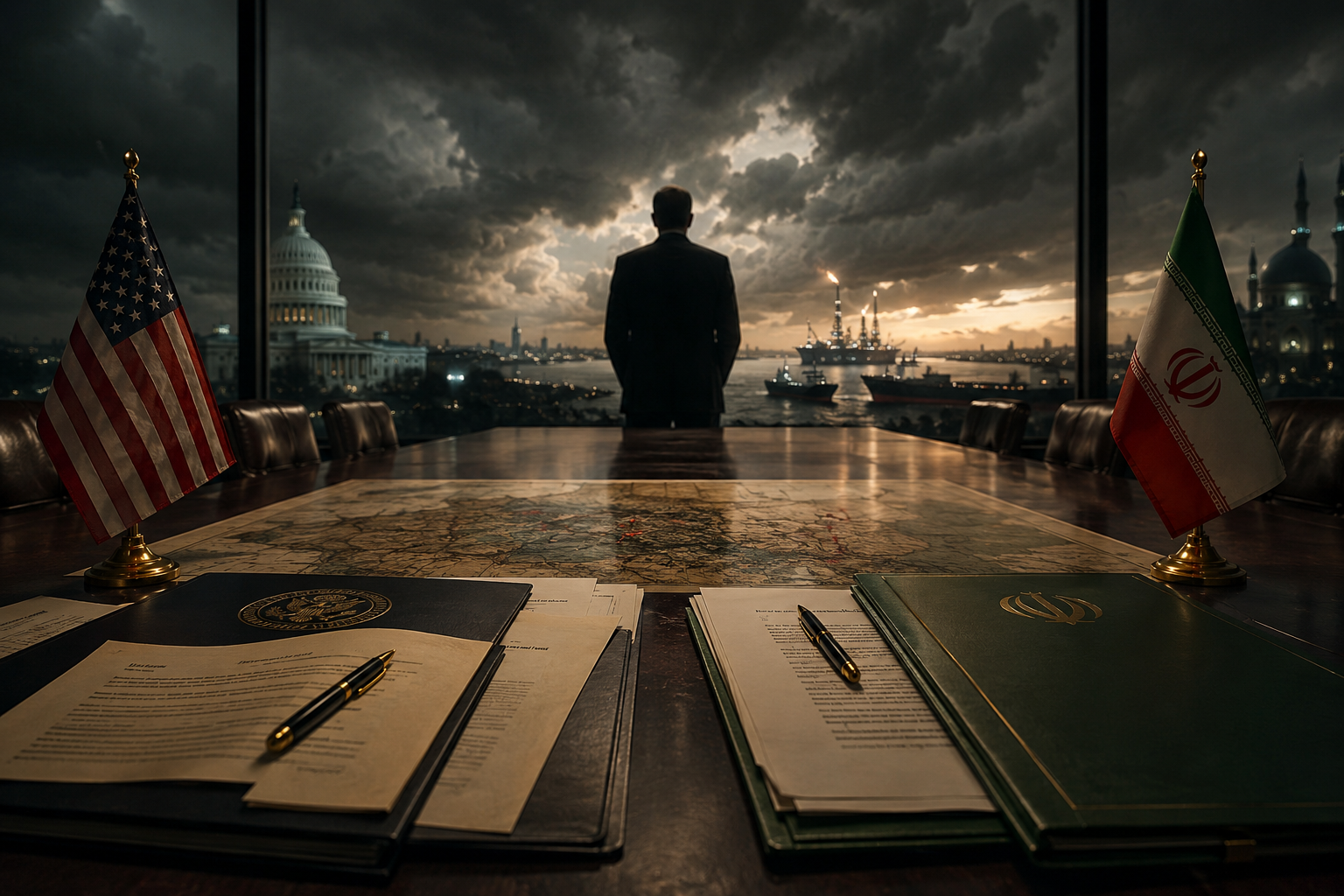
The Iran Deal Leak That Revealed A Much Bigger Power Struggle
The Leak That Triggered An Immediate Response
A fragile diplomatic process was suddenly thrown into the spotlight when reports emerged describing what Iran believed were the key terms of an emerging agreement with the United States. According to accounts linked to Iranian officials, the framework would involve sanctions relief, the release of frozen assets, and a phased approach to wider negotiations.
Within hours, President Donald Trump publicly rejected those descriptions. He argued that the leaked terms had "nothing to do" with what had actually been agreed in writing and accused Iranian officials of misrepresenting the negotiations. The result was a rare situation in which both sides appeared to be describing entirely different agreements.
The Real Dispute Is About Sequence
At first glance, the disagreement looks technical. In reality, it goes to the heart of every major negotiation between hostile powers.
The Iranian position described in various reports suggests economic relief would begin early, with some of the hardest nuclear questions deferred into later rounds of talks. The American position, as described by Trump administration officials, is almost the reverse. Washington says any meaningful financial relief must come only after Iran dismantles major parts of its nuclear infrastructure and fulfils specific commitments.
That difference may sound procedural. It is not. Whoever moves first gives up leverage. Whoever keeps leverage controls the pace of the negotiation.
Why Both Sides Are Fighting Over The Narrative
The public disagreement is not merely about informing citizens. It is also about shaping expectations.
If Iranian officials convince domestic audiences that sanctions relief is coming, they strengthen their political position at home. If Trump convinces American voters that Iran must make concessions first, he protects himself from accusations that Washington is rewarding Tehran too early. Both governments therefore have powerful incentives to frame the deal in ways that benefit them politically.
This creates a deeper problem. Negotiations depend on trust. Yet the most striking feature of this episode is how openly both sides appear to distrust one another. Even while discussing a possible agreement, they are publicly accusing each other of misrepresentation.
The Nuclear Question Has Not Gone Away
One reason the leak attracted so much attention is that it touched on the issue that has defined US-Iran relations for decades: uranium enrichment and nuclear capability.
Trump has repeatedly insisted that any agreement must prevent Iran from obtaining a nuclear weapon. Administration officials have also described requirements involving the disposal or destruction of highly enriched nuclear material. Iran, meanwhile, continues to argue that its programme is peaceful and that it retains rights relating to enrichment.
That means the hardest issue may not have been solved at all. Some reports suggest the emerging framework merely creates a pathway for future negotiations on those questions rather than resolving them immediately.
Markets See Opportunity While Diplomats See Risk
Financial markets reacted positively to signs that a wider agreement could be approaching. Oil prices moved lower as investors anticipated reduced disruption around the Strait of Hormuz and a possible easing of regional tensions.
Yet markets often focus on outcomes rather than processes. Diplomats focus on processes because that is where agreements usually succeed or fail. The fact that Washington and Tehran are still publicly contradicting each other suggests that significant gaps may remain beneath the optimistic headlines.
A deal that looks close can still unravel if both sides disagree on what has actually been agreed.
The Bigger Story Is About Credibility
The most interesting part of this episode may not be sanctions, oil, nuclear technology, or even geopolitics.
It may be credibility.
When two governments publicly release competing versions of the same negotiation, observers are forced to ask a difficult question: whose version is closer to reality? Until a final text is published, outsiders cannot know for certain. What they can see is a negotiation in which leverage, perception, and narrative control are becoming almost as important as the substantive terms themselves.
The leak therefore revealed something larger than the contents of a possible agreement. It exposed the deeper pressure running through the entire process. The real challenge is not simply reaching a deal. It is persuading two deeply suspicious adversaries that any deal can survive long enough to matter.
