Trump Plans Rare Airport Welcome And White House Spectacle For Xi
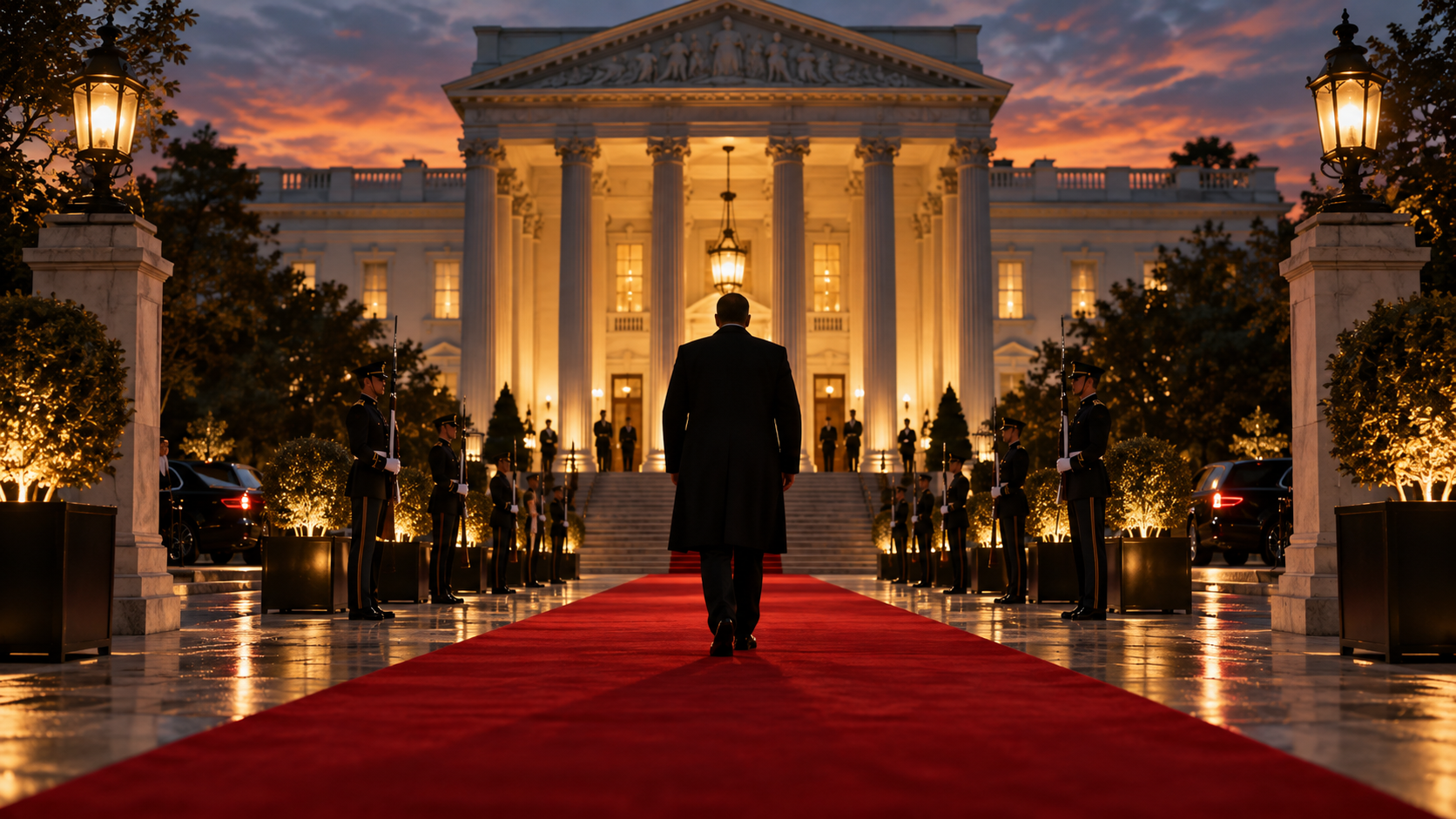
Why Trump Is Rolling Out The Red Carpet For Xi
Trump Is Planning An Unusually Elaborate Welcome For Xi In Washington As Trade, Technology And Taiwan Loom Over Their Talks.
President Donald Trump is preparing to welcome Chinese President Xi Jinping during a state visit to the United States from 23 to 25 September. US officials told Reuters that Trump planned to greet Xi at Joint Base Andrews, a rare step for a US president, followed by a White House arrival ceremony, a Rose Garden military review and a state dinner.
The spectacle has a diplomatic function. A highly visible welcome signals that both governments want a stable channel at the top even as they disagree over trade, access to advanced technology, Taiwan and the war involving Iran. Ceremony can improve the atmosphere for talks, but it cannot settle disputes on its own.
Why Is The Reception So Prominent?
Trump and Xi have met before this year, and both sides have reasons to prevent their relationship from deteriorating further. The United States seeks reliable access to goods and minerals, while China faces pressure over restrictions on technology and its treatment of Taiwan. A formal visit gives each leader an opportunity to show domestic audiences that they can command attention abroad.
Reuters reported that executives from major technology companies were expected at the state dinner. Their presence underlines how the commercial relationship reaches into AI, chips, platforms and supply chains. It does not mean those companies are party to a government agreement or that a commercial deal has already been struck.
The Hard Questions Behind The Ceremony
US officials said trade, the flow of rare earths and artificial intelligence were expected to feature in discussions. Each is a different problem. Rare earth supply affects manufacturing and defence industries; advanced chips and AI raise questions about export controls and security; tariffs and market access involve their own bargaining and domestic politics.
Taiwan remains especially difficult. Beijing claims the self-governing island and opposes US arms sales. Washington maintains unofficial ties with Taipei and supports its self-defence. An impressive reception does not resolve those incompatible priorities, and vague language about stability should not be mistaken for a change in US policy.
How To Judge The Visit
The useful measure is the detail of any announcement after the leaders meet on Thursday, 24 September. Look for written commitments, dates and practical follow-through on tariffs, technology controls, supply chains or crisis communication. A pledge to keep talking can be valuable when relations are tense, but it is narrower than a settlement.
Trump's elaborate welcome may make for striking pictures. The harder question is whether the two governments leave Washington with rules and channels that can survive the next disagreement.
