

Trump Reveals Fresh Iran Talks As He Predicts A US Deal Will Be Reached
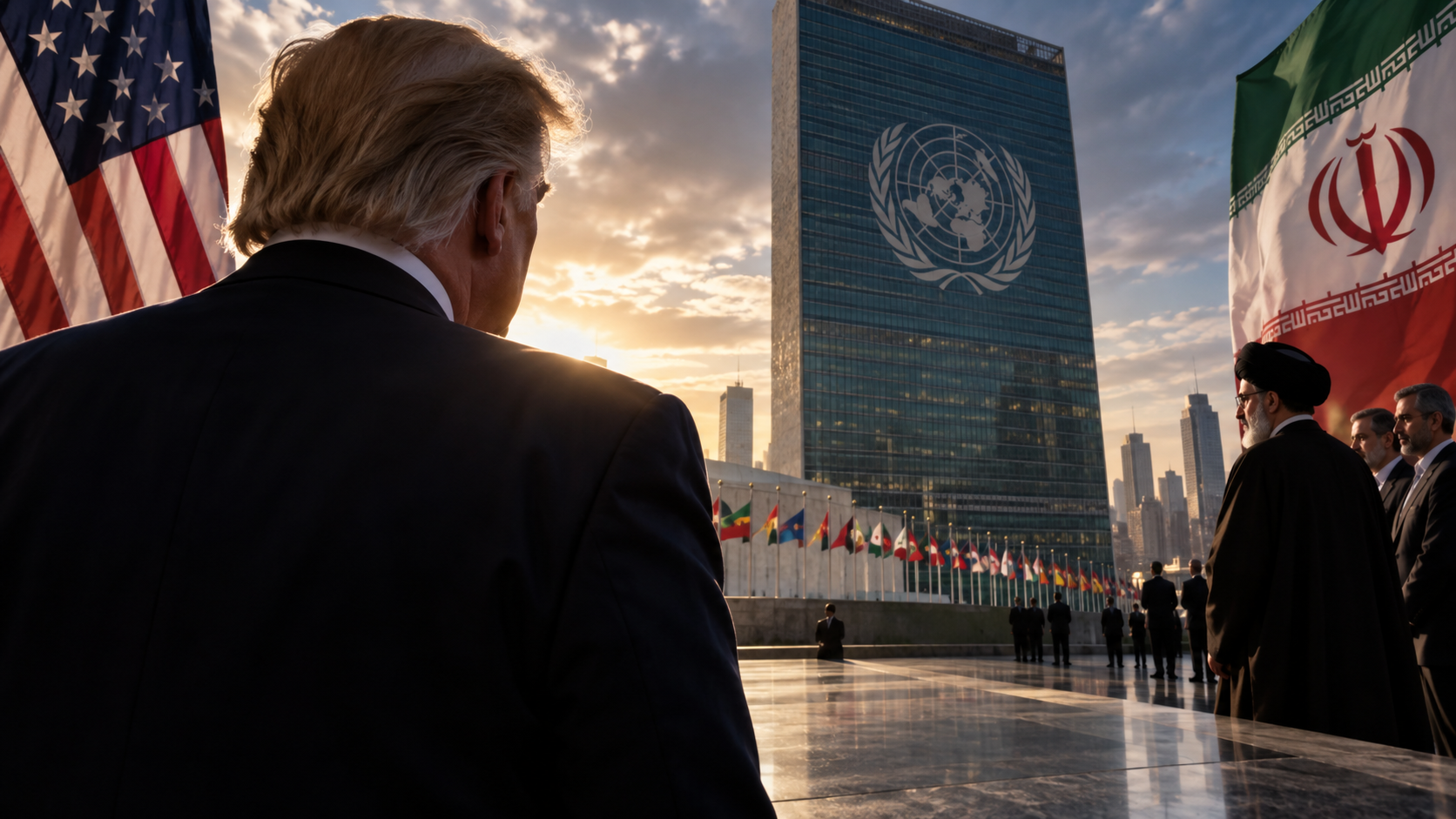
Trump Says Relationship With Iran Is “Developing” As New Talks Take Place
US And Iran Held Talks Today As Trump Signals A Possible Breakthrough
Donald Trump says the United States and Iran have been talking again — including on Tuesday — and believes the bitter confrontation between the two countries will ultimately end in a negotiated settlement.
Speaking in New York on September 22 after meeting British Prime Minister Andy Burnham on the sidelines of the United Nations General Assembly, the US president said Iran wanted dialogue and described the relationship between Washington and Tehran as developing.
“I think that a settlement is going to be reached,” Trump said.
He added that Iran had been talking to the United States “even today”, in one of the clearest indications yet that diplomatic communication is continuing despite months of military confrontation, threats and failed negotiations.
Exactly what form Tuesday's communication took has not yet been publicly detailed. Current reporting does not establish whether there were direct discussions between senior American and Iranian officials or whether some of the communication passed through intermediaries.
But the timing matters.
Iranian officials are simultaneously signalling that Tehran's delegation in New York has authority to pursue renewed diplomacy, creating one of the most significant openings between the two governments in months.
Trump Is Publicly Predicting A Deal
Trump's remarks went beyond simply confirming communication.
Earlier during his address to the UN General Assembly, he said he believed the United States could reach an agreement with Iran after the US midterm elections on November 3.
“I believe we’ll make a deal right after the election because it doesn’t make sense for them not to,” Trump said, arguing that Tehran was waiting to see how he performed politically in the midterms.
That is Trump's assessment rather than a confirmed negotiating timetable from both sides.
There is currently no announced final agreement, no publicly agreed deadline and no confirmation from Tehran that a deal will be concluded immediately after the elections.
The significance is instead that Trump is now publicly talking about an eventual negotiated settlement at the same time as contacts between the two sides appear to be continuing.
That represents a striking diplomatic contrast with some of the much harder language heard during the same day.
Nuclear Weapons Remain Trump's Red Line
Trump also made clear that renewed communication does not mean Washington has abandoned its central demand regarding Iran's nuclear programme.
“We can’t let them have a nuclear weapon,” he said, adding that Iranian officials understood the American position.
The nuclear issue therefore remains one of the biggest barriers to any comprehensive settlement.
What the United States would require in terms of enrichment limits, inspections, nuclear infrastructure or verification has not been set out in detail as part of Trump's latest comments.
Likewise, Tuesday's remarks did not establish what Iran would demand in return.
That distinction is important.
Talking is not the same thing as agreeing.
The two governments could be moving towards negotiations while still remaining far apart on what an acceptable final settlement would contain.
Iran Is Also Signalling An Opening
The diplomatic signals are not coming solely from Washington.
A senior Iranian official said on Tuesday that the Iranian delegation attending the UN General Assembly had full authority to revive diplomacy with the United States.
Tehran also said it had already transmitted its latest proposal to Washington through mediators on September 16.
The Iranian position nevertheless contains substantial conditions.
Tehran wants the United States to demonstrate that it genuinely intends to resolve the confrontation diplomatically and wants an agreed timeline governing how negotiations would proceed.
An Iranian official described the UN gathering as a “golden opportunity” to return to diplomacy.
Yet there is an important limit to the apparent thaw: Iranian President Masoud Pezeshkian is not currently expected to hold a direct meeting with Trump at UN headquarters.
That means the emerging process may remain indirect even while the political language surrounding it becomes more optimistic.
The Strait Of Hormuz Could Become Part Of The Bargain
One of the most consequential elements is the Strait of Hormuz.
Iran has indicated that it could reopen the strategically vital waterway to Gulf shipping within seven days if the United States eases military pressure and lifts its blockade on Iranian ports.
That proposal potentially connects diplomatic negotiations with an issue carrying consequences far beyond the US and Iran.
The Strait of Hormuz is central to global energy trade. Disruption in the region can influence shipping costs, oil markets and economic expectations around the world.
On Tuesday, the possibility that Iran might reopen the route helped feed optimism in energy markets, with crude prices falling amid reports of renewed diplomacy.
But Tehran's offer is conditional.
Iran has not simply promised to reopen the strait regardless of American actions. It has linked that step to reductions in military pressure and changes to the blockade.
Those demands could become part of a wider negotiation.
There Is Still A Long Way From Talks To A Settlement
There are reasons to treat the latest development as significant without assuming a deal is inevitable.
The United States and Iran have come close to agreements before.
No face-to-face meeting between the two sides is known to have taken place since July, when an interim agreement intended to help end the conflict subsequently collapsed only weeks after it had been signed.
That history illustrates the central problem facing any new diplomatic effort.
An initial agreement is only the beginning.
Washington and Tehran would still need to resolve questions surrounding Iran's nuclear programme, sanctions and blockades, regional military activity, maritime security and the mechanisms required to ensure that any settlement survives future disputes.
There is also an extraordinary contrast between diplomacy and military rhetoric.
Trump's latest comments about a developing relationship and an eventual settlement arrived on the same day that he issued extremely severe warnings toward Iran during his UN appearance.
The two approaches are not necessarily contradictory from the administration's perspective. Trump has repeatedly combined threats of military or economic pressure with an argument that pressure can force negotiations.
Iran, meanwhile, says meaningful talks require tangible American moves towards diplomacy.
Those positions leave considerable distance between optimism and an actual signed agreement.
Why Today's Talks Matter
For now, the most important development may be surprisingly simple: the two sides are still communicating.
Trump is openly saying a settlement will be reached.
Iranian officials are saying their UN delegation has authority to revive diplomacy.
Tehran has transmitted a proposal through mediators.
And potentially crucial questions surrounding the Strait of Hormuz are now being discussed in terms that could form part of a negotiated arrangement.
None of this guarantees peace.
There is no final settlement tonight, and the details of Tuesday's US-Iran contact remain unclear.
But after months in which Washington and Tehran repeatedly moved between negotiation and confrontation, September 22 has produced something that has often appeared fragile throughout this crisis: another diplomatic opening.
Whether that opening becomes the settlement Trump is predicting will depend on what each side is actually prepared to concede.
