Trump’s Real Threat Isn’t Democrats Anymore — It’s a Republican Revolt Over Iran
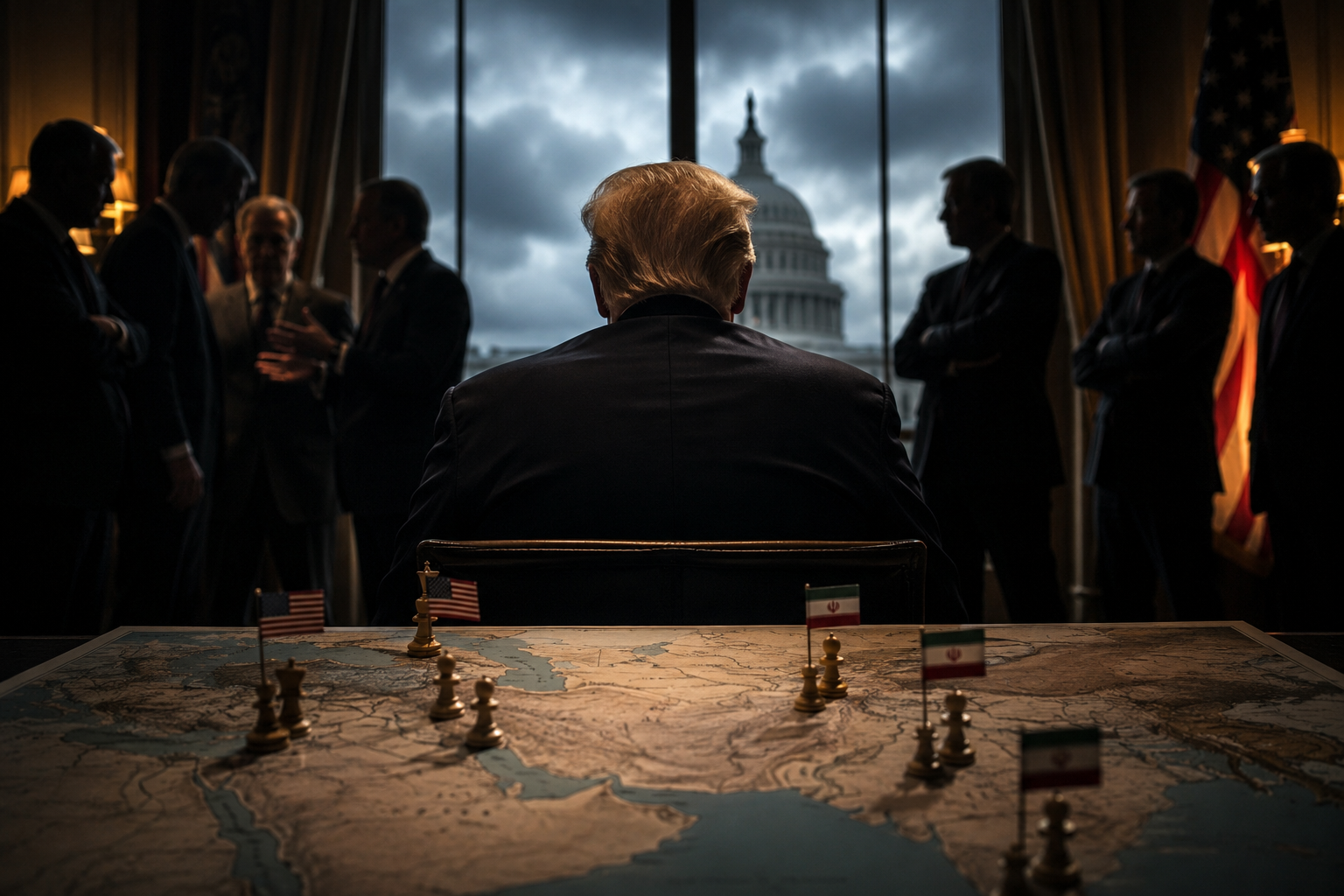
The Iran Divide Could Become Trump’s Biggest Political Test Yet
The First Serious Crack In The Trump Coalition
For years, one of Trump’s greatest political strengths has been his ability to keep Republicans united behind him. Critics predicted countless internal revolts. Most never materialised. Even after legal battles, elections, investigations and fierce media scrutiny, Republican voters largely stayed loyal.
The Iran issue feels different because it strikes directly at a core part of Trump’s political identity. Many supporters backed Trump because they viewed him as a president willing to challenge the foreign policy establishment. They saw him as someone who would prioritise American interests over new overseas conflicts. That perception became central to the modern Republican coalition.
Now some Republican lawmakers are openly questioning aspects of America’s involvement with Iran and whether Congress should have a greater role in approving military action. The House recently passed a war powers resolution aimed at limiting further military action, with several Republicans breaking ranks to support it. Similar resistance has also emerged in the Senate.
Why Iran Is Different From Previous Disputes
Most disagreements inside political parties revolve around spending, appointments, messaging, or personality clashes. Iran touches something much deeper.
Foreign policy often becomes a test of political philosophy. Should America project strength through military action? Should it avoid becoming trapped in long-running regional conflicts? How much authority should presidents have during international crises? These questions divide politicians who otherwise agree on almost everything else.
For Trump, the challenge is particularly complicated because he built much of his political brand around opposing what many supporters viewed as failed interventionist policies from previous decades. Critics inside the Republican Party now argue that prolonged military involvement risks contradicting that message. Supporters counter that strength and deterrence are essential for American security and regional stability.
That debate is no longer theoretical. It is unfolding in real time.
Midterm Elections Are Changing The Political Calculation
Political loyalty often becomes more complicated when elections approach.
Several Republican lawmakers face difficult races in competitive districts. Others are responding to voters concerned about military escalation, government spending, energy prices, and the long-term consequences of conflict. As the 2026 midterms draw closer, political survival begins competing with party discipline.
This helps explain why some Republicans appear increasingly willing to challenge Trump publicly. In safe political environments, party unity is easier. In competitive races, individual politicians start paying closer attention to local concerns rather than national party messaging.
The result is a dynamic Trump has not faced often during his political career: opposition from lawmakers who broadly support his agenda but disagree on a highly visible and emotionally charged issue.
The Bigger Story Is About Power
The headlines focus on Iran, but the deeper story may be about power.
Congress and the White House have spent decades arguing over who controls military action. Every major conflict tends to revive the same constitutional questions. How much authority should presidents possess? When should Congress intervene? Where is the line between military necessity and democratic oversight?
The recent votes are significant because they show lawmakers attempting to reassert congressional influence over military decisions. Whether those efforts ultimately succeed is almost secondary to the political symbolism.
The message is clear: some Republicans are willing to challenge the White House on an issue traditionally dominated by presidential authority.
That alone represents a notable development inside a party that has generally remained highly disciplined around Trump.
Trump Still Holds The Strongest Cards
Despite the dramatic headlines, predictions of a Republican civil war remain premature.
Trump continues to command enormous influence within the Republican base. Most Republican lawmakers remain broadly aligned with him. Many of the current disputes are procedural rather than existential. The White House has dismissed much of the resistance as election-year positioning rather than a fundamental break.
History also suggests that Republican voters often rally behind Trump when they perceive external attacks from Democrats, the media, or foreign adversaries. That dynamic has repeatedly helped him survive political crises that would have crippled other politicians.
The more immediate question is not whether Trump controls the Republican Party. He clearly still does. The question is whether Iran becomes an issue large enough to force more Republicans into public disagreement.
Why This Matters Beyond Washington
The real significance of the story extends beyond congressional votes.
Markets watch geopolitical instability closely. Energy prices remain sensitive to developments involving Iran and the Strait of Hormuz. Military commitments affect government spending priorities. International allies and rivals monitor signs of political division inside the United States.
That means the Iran debate is not merely about one conflict. It is about America's future role in the world, the limits of presidential power, and the direction of the Republican Party during a crucial election cycle.
For years, Trump’s greatest political battles came from outside his party. Democrats, prosecutors, media organisations and political opponents dominated the headlines.
The Iran debate introduces a different challenge.
When criticism comes from opponents, political tribes usually harden.
When criticism comes from allies, the conversation becomes much harder to ignore.
