Tulsi Gabbard Resigns As Trump’s Intelligence Chief Amid Deepening White House Tensions
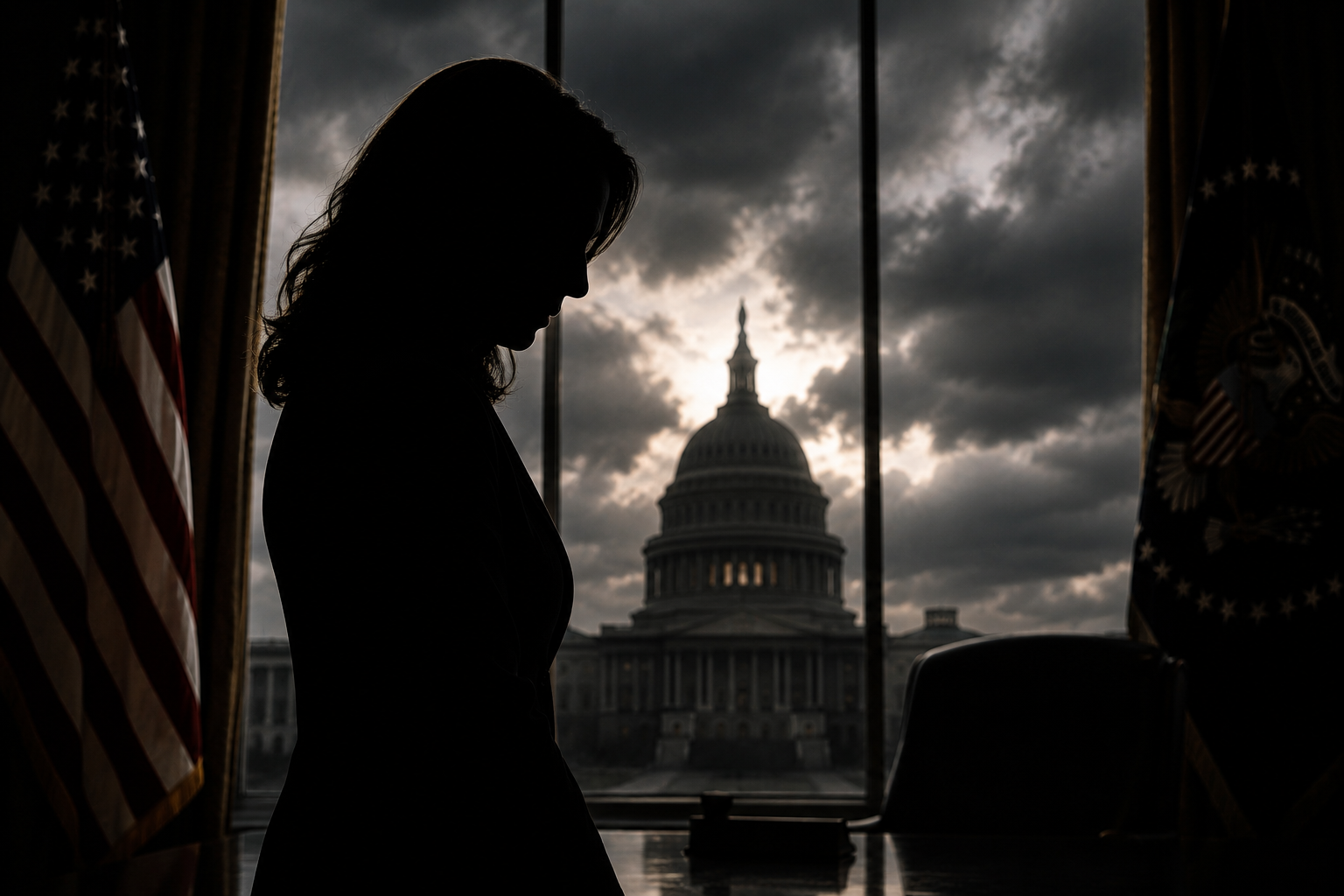
Why Tulsi Gabbard’s Resignation Could Trigger A Major Trump Security Shake-Up
Tulsi Gabbard’s Sudden Exit Leaves Trump’s Intelligence Machine Facing A Dangerous New Vacuum
The resignation of Tulsi Gabbard as Director of National Intelligence lands at an extraordinarily volatile moment for the Trump administration. Officially, Gabbard says she is stepping down to care for her husband following a diagnosis of a rare form of bone cancer. That explanation appears genuine, and President Donald Trump himself has publicly acknowledged it. But the timing of the departure has immediately intensified speculation about deeper fractures inside America’s national security apparatus.
Gabbard was never a conventional intelligence chief. A former Democrat turned Trump ally, military veteran, and long-time critic of US foreign interventionism, she entered the role carrying both ideological baggage and outsider energy. That made her one of the most unusual figures ever placed at the center of America’s intelligence machine. It also meant conflict was almost inevitable.
The Iran Dispute Changed Everything
The most explosive tension surrounding Gabbard’s tenure centered on Iran.
Reports over recent months suggested that Gabbard’s assessments on Iranian military intentions increasingly diverged from the direction Trump’s White House wanted to take publicly. Her previous statements indicating Iran was not actively building nuclear weapons created visible friction with more hawkish elements inside the administration.
That matters because intelligence chiefs occupy an uncomfortable position in every administration. Their job is theoretically to provide assessments grounded in evidence, not political convenience. But in practice, intelligence becomes deeply entangled with power, war planning, presidential messaging, and internal loyalty tests.
Gabbard’s critics increasingly viewed her as politically unreliable. Her supporters saw something very different: one of the few figures inside Trump’s orbit willing to resist momentum toward another major Middle East escalation. That divide became increasingly difficult to contain as tensions with Iran intensified.
The Role Was Always Bigger Than Tulsi Gabbard
The Director of National Intelligence is not simply another Cabinet title.
The office oversees coordination across 18 separate US intelligence agencies and acts as one of the president’s primary intelligence advisers. The position sits at the intersection of military planning, counterterrorism, surveillance, cyber operations, election security, and geopolitical risk assessment.
That means instability at the top carries consequences far beyond Washington politics.
Even before the resignation, there were signs Gabbard’s position had weakened significantly. Reports earlier this year suggested Trump had privately discussed replacing her after a series of disputes and controversies.
Her increasingly combative posture toward parts of the intelligence community also created enemies on multiple fronts. Gabbard pushed aggressively against what she described as politicized intelligence structures, moved to centralize control over presidential briefings, and became deeply involved in politically explosive investigations tied to election security narratives.
For supporters, she was dismantling a broken system.
For critics, she was transforming intelligence into an ideological battleground.
The Trump Administration Keeps Losing Key Figures
Gabbard’s resignation also feeds a growing perception that Trump’s second administration remains structurally unstable beneath the surface.
Cabinet departures are common in any presidency, but repeated exits from highly sensitive positions create an atmosphere of permanent instability. National security systems depend heavily on continuity, internal trust, and disciplined information flow. Frequent personnel changes weaken all three.
That is particularly important given the current geopolitical backdrop. The White House is simultaneously navigating tensions involving Iran, Russia, China, cyber warfare risks, global energy markets, and escalating political polarization at home. Losing the administration’s intelligence chief during that environment inevitably raises questions about coherence inside the decision-making structure.
Trump has already announced that Aaron Lukas will serve as acting Director of National Intelligence.
But acting appointments rarely resolve uncertainty. In Washington, temporary leadership often intensifies internal competition because different factions immediately begin positioning themselves for influence over the eventual permanent direction.
The Bigger Story Is About Trust
What makes this resignation feel bigger than a standard political reshuffle is the issue sitting underneath it: trust.
Trump has long had a difficult relationship with parts of the US intelligence establishment. His first presidency repeatedly clashed over Russia investigations, classified leaks, internal dissent, and accusations that intelligence agencies had become politicized. Gabbard was supposed to be one of the figures capable of reshaping that relationship from the inside.
Instead, her tenure appears to have deepened the sense of institutional warfare.
That creates a dangerous dynamic. If presidents increasingly distrust intelligence agencies, while intelligence officials increasingly fear political manipulation, the entire decision-making process becomes less stable. Information is filtered through loyalty calculations instead of purely strategic analysis.
At moments of geopolitical tension, that becomes extremely risky.
Why This Departure Will Trigger Intense Speculation
The official explanation for Gabbard’s resignation centers on family circumstances, and there is no evidence that her husband’s illness is anything other than a deeply serious personal crisis.
But Washington rarely interprets departures in purely personal terms.
The overlap between personal tragedy, political friction, policy disagreements, and reports of White House dissatisfaction means speculation will likely intensify rapidly over the coming days. Questions will immediately emerge around whether Gabbard jumped before being pushed, whether Iran policy became the breaking point, and whether Trump now intends to install a more aggressively loyal intelligence figure.
Those questions matter because intelligence leadership shapes how presidents understand the world itself.
The person delivering the intelligence brief can influence not only policy decisions, but also what threats feel urgent, which risks feel manageable, and which geopolitical confrontations become psychologically dominant inside the White House.
The Timing Could Become More Important Than The Resignation Itself
The resignation takes effect on June 30.
That delay means the administration now enters a transition period precisely when global tensions remain elevated. Transitions inside intelligence systems are delicate even in calm periods. During periods of geopolitical instability, they become significantly more dangerous.
The deeper issue is not simply whether Tulsi Gabbard stays or goes.
Her departure indicates the state of cohesion inside Trump’s national security structure as the world becomes more volatile.
That is why this story suddenly feels much bigger than one resignation.
