Why Is Andrew Tate In Moscow While A UK Extradition Warrant Still Looms?
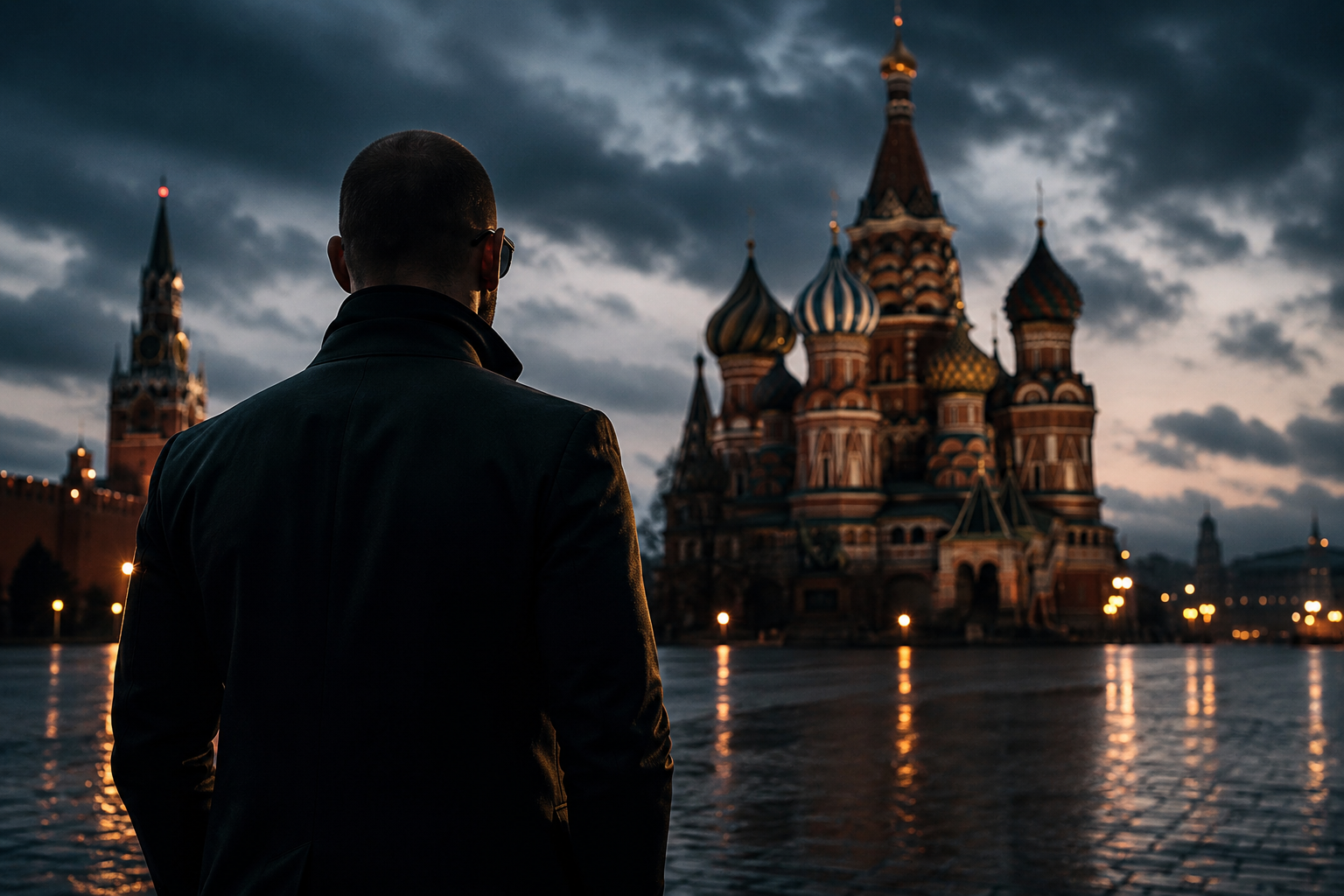
Andrew Tate Appears In Russia As UK Extradition Questions Intensify
The Moscow Appearance That Reignited The Debate
Andrew Tate's arrival in Russia has triggered a fresh wave of scrutiny surrounding his legal position and the status of efforts to bring him before British courts. The influencer, who has built a global audience through highly polarising commentary on masculinity, politics and culture, appeared in Moscow alongside his brother Tristan after Romanian travel restrictions were lifted.
The timing matters. Tate and his brother face criminal charges in the United Kingdom, including allegations relating to rape, actual bodily harm and human trafficking. They also remain entangled in ongoing Romanian proceedings linked to separate allegations. The brothers deny wrongdoing and have consistently rejected the accusations against them.
What transformed the Russia visit from a celebrity appearance into a major political story is the simple visual contradiction it creates. Many observers see a man facing serious legal challenges travelling internationally, attending high-profile events and continuing to command global attention.
Why Extradition Has Not Yet Happened
The key legal issue is not whether British authorities want Tate returned. It is the sequencing of international legal processes.
An extradition request has already been approved in principle, but British authorities have agreed that any transfer to the United Kingdom should occur after Romanian proceedings have concluded. Lawyers representing some of Tate's accusers have criticised this approach, arguing that Britain should be moving more aggressively. British authorities, however, have pointed to the need to respect Romanian legal processes.
This distinction is crucial. Many people hear "extradition warrant" and assume an immediate transfer is imminent. In reality, international criminal cases frequently involve competing jurisdictions, overlapping investigations and lengthy procedural timelines.
The result is a situation that can appear contradictory to the public. A person may remain under investigation or face future proceedings while still being legally permitted to travel under the rules established by the jurisdiction currently handling their case.
Why Russia Changes The Optics
Had Tate travelled quietly to another European country, the story may have generated little attention. Russia is different.
Moscow remains one of the most politically sensitive destinations in the world. Tate has previously expressed admiration for aspects of Russian leadership and has echoed narratives that critics argue align with Kremlin messaging. His arrival therefore carries symbolic weight beyond the legal issues alone.
For critics, the images reinforce a perception that Tate remains untouchable despite years of allegations and investigations. For supporters, the trip is further evidence that they believe he is being unfairly targeted while remaining legally free.
That clash of interpretations is exactly why the story continues to generate extraordinary engagement online. The legal facts have not fundamentally changed, yet the visual impact of seeing Tate welcomed in Moscow creates an entirely new political narrative.
The Bigger Question Facing British Authorities
The Russia appearance has also intensified scrutiny of Britain's wider approach to violence against women and girls.
Lawyers acting for women who have accused Tate argue that allowing the situation to continue damages public confidence in the justice system. They claim it sends the wrong signal when a high-profile figure facing serious allegations continues to travel internationally and maintain a vast online platform.
British authorities face a difficult balancing act. Acting too aggressively could be criticised as disregarding legal due process in another jurisdiction. Acting too slowly risks accusations that justice is not being pursued with sufficient urgency.
That tension is now becoming almost as significant as the underlying allegations themselves. The story is evolving from a case about one influencer into a broader debate about international law, extradition and public confidence in institutions.
What Happens Next?
The central reality remains unchanged. Andrew Tate's legal future is still tied heavily to developments in Romania.
Recent court decisions have eased restrictions on the brothers, allowing greater freedom of movement while investigations continue. Their legal representatives maintain that they intend to face proceedings when required and have argued that due process should be allowed to run its course.
What remains uncertain is the timeline. International legal cases rarely move at the speed demanded by public attention. Yet public attention rarely waits patiently.
That is why the Moscow visit matters. It does not fundamentally alter the legal landscape. Instead, it creates a powerful image that fuels existing frustrations, questions and political arguments.
For supporters, it demonstrates freedom.
For critics, it demonstrates failure.
For British authorities, it represents a growing pressure point that is unlikely to disappear until the legal process finally reaches a definitive conclusion.
