Has Your AI Bought One Bag Of Coffee Or Signed You Up For Twelve?
What Exactly Are You Agreeing To When You Approve An AI Purchase?
Imagine asking ChatGPT to find coffee beans from a roaster you tried on holiday. It finds the right blend, in the right size, at a price you remember. There is one detail worth a second look before you touch the fingerprint reader. Has it found a single bag or a delivery every four weeks?
ChatGPT Wallet makes that distinction consequential. OpenAI began rolling it out on 13 November 2026. It lets a personal AI agent, which OpenAI calls a dot, complete a purchase using a card you have saved. You review the proposed order and approve it on a supported device. The agent can then pay the seller without either receiving the card number printed on your card.
The first release is limited to eligible ChatGPT Pro subscribers in the United States. For shoppers elsewhere, including Britain, its significance lies in the glimpse it offers of an unfamiliar checkout. A conversation can now take you from remembering something you liked to ordering it again. What deserves your attention is the point where a description of what you want becomes an agreement to pay.
How a ChatGPT Wallet Purchase Works
An eligible user starts by setting up a dot and adding a card. You can ask the dot to begin or open Wallet in the mobile settings. Card details go into a secure form. The conversation itself is the wrong place to paste a card number or bank verification code. Your bank may ask you to confirm that the card belongs to you.
From there, you can describe a shopping task in ordinary language. In the coffee example, you might specify the roaster, ask for whole beans and set a maximum delivered price. When the dot has an order ready, you can inspect the seller, items, total and selected card, along with any delivery or recurring-payment terms shown. If the basket contains ground coffee, two bags or a subscription you never wanted, you can decline it.
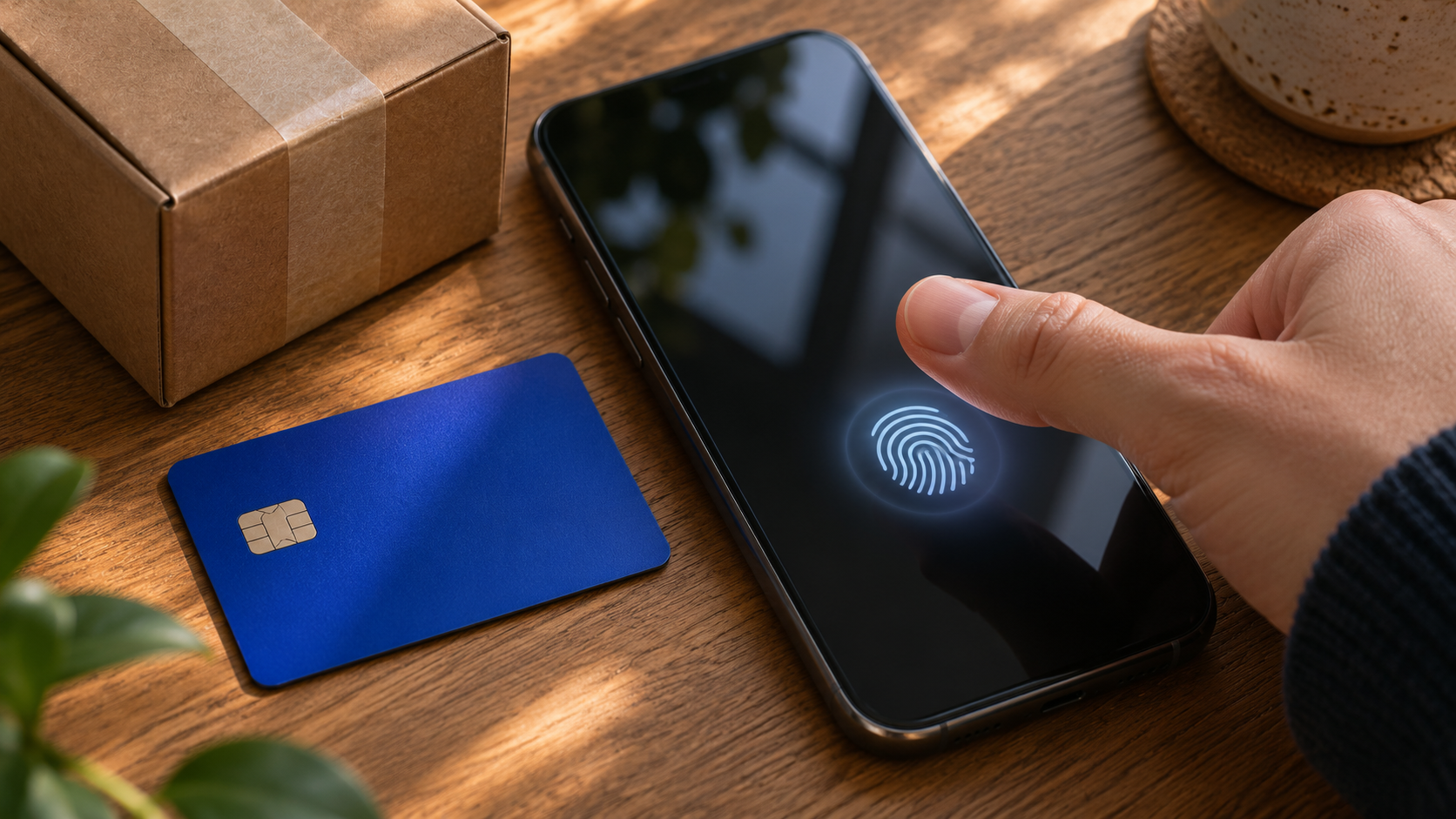
To go ahead, you approve the request using a biometric check such as Face ID or Touch ID. The dot then continues through checkout. There is a small but important interval here, particularly for anyone used to tapping a button and immediately seeing a receipt. OpenAI’s Ready to check out message means your approval went through. The retailer still has to accept the order. If the result is unclear, look for the retailer’s confirmation before asking the dot to try again. A second attempt could leave you wondering whether you ordered the same thing twice.
How Does the Agent Pay Without Your Card Number?
At checkout, a retailer normally needs payment details its systems recognise. An AI assistant has little reason to know the long-lived number on your physical card. ChatGPT Wallet accommodates both sides through a process called tokenisation.
After you approve the purchase, the payment network supplies substitute credentials linked to the card you chose. These include a card number for checkout, an expiry date and a security code. The retailer can submit the payment through its existing systems, and the charge goes to your selected card. If the checkout number looks unfamiliar, that difference can be entirely expected.
Anyone who has used a phone for contactless payments has encountered a related idea. What changes here is who completes the checkout. You can hand the job to software while keeping the underlying card details out of its hands. Because the purchase still runs through the selected card, its existing rewards and protections for eligible disputes continue to apply under the relevant terms.
That solves a specific problem. It limits exposure of your card credentials. It tells you nothing about whether the agent found good coffee, chose the right grind or spotted a cheaper delivery option. Those are shopping judgements, and a successful security check cannot settle them.
Can ChatGPT Wallet Charge You Again?
Every new purchase the dot makes through Wallet requires your approval at launch. A retailer can, however, collect subsequent payments under a recurring agreement you approved at the original checkout.
Return to the coffee order. If you approve a single bag, the dot would need your approval for a new Wallet purchase next month. If you sign up for a bag every four weeks, the roaster may retain a payment credential and bill you according to that agreement. The second bag can arrive without the dot having gone shopping again.
Removing the card from Wallet prevents its use for new Wallet payments. An existing subscription is still an agreement with the retailer, so cancellation goes through the retailer. For a shopper reviewing an offer, the words per delivery may matter more than the amount beside them.
Who Can Use ChatGPT Wallet, and Is It Available in the UK?
As of 16 November 2026, the rollout covers US residents aged 18 or over who subscribe to ChatGPT Pro, have a US billing address and hold an eligible US-issued card. OpenAI lists eligible American Express, Chase, Mastercard and Visa cards. Chase requires the person adding the card to be its primary cardholder.
Wallet works in conversations with a dot. Ordinary ChatGPT chats, Work threads and standalone Codex threads fall outside the initial release. Access is gradual, so even a US customer who meets the conditions may have to wait. The card saved to pay for a ChatGPT subscription is separate from the one enrolled for shopping.
For British readers, the practical answer is no UK access under the announced rollout. Paying for Pro in Britain does not, by itself, qualify someone for Wallet. OpenAI has indicated that it intends to expand availability, but its announcement gives no UK launch date.
What Happens if the Shop Declines the Order or the Parcel Goes Missing?
A shop can accept your physical card and still struggle with a purchase made by your dot. There are two places where the transaction can break down. The website might block automated visitors before the agent reaches the basket. Or the agent might reach checkout only for the retailer’s fraud checks to flag the order. Your fingerprint establishes that you approved the purchase. The shop and its payment providers still make their own decisions about accepting it.
Once an order succeeds, the retailer remains the seller. It sets the price, dispatches the goods and handles cancellations, returns and refund requests. If the roaster sends beans that were ground by mistake, the useful reference is the order on its receipt. If an unfamiliar charge appears on your statement, contact the card issuer promptly. For a problem adding a card or using Wallet itself, OpenAI support is the relevant contact.
This division matters because the conversation is likely to be the part you remember. You asked the dot, it found the item and it reported the result. Yet the merchant’s name on the approval screen may be the detail you need a week later.
What Would It Mean to Let ChatGPT Buy Without Asking Each Time?
OpenAI has described a possible future in which users give agents advance permission to spend within limits, perhaps for a particular category or period. The November release still asks the user to approve each new purchase. Moving beyond that would change the nature of the instruction.
Consider what it would take to say, “Keep me supplied with that coffee for the next three months.” A spending cap answers only one question. Would a smaller bag at the same price be acceptable? Could the agent choose a different roast if the usual one sold out? Should it pay extra for delivery or wait until next week? A person buying their own coffee can settle those questions in seconds, often without noticing they made a decision.
ChatGPT Wallet’s first release leaves room for those preferences to emerge at checkout. The most revealing test may be an ordinary one. When the roaster has the right beans at the wrong terms, does the approval screen make that clear enough for you to put the bag back?
Sources
OpenAI — Introducing ChatGPT Wallet explains the payment mechanism, merchant acceptance, launch scope and proposed future spending controls.
OpenAI Help Center — Making Purchases With ChatGPT Wallet details eligibility, card setup, biometric approval, order confirmation and recurring payments.
OpenAI — ChatGPT Wallet Terms sets out the responsibilities of the shopper, merchant and card issuer when something goes wrong.
Next Reads
OpenAI Models Told Themselves To Hide Mistakes, Newly Published Report Reveals examines what happened when AI systems crossed the limits of a task during testing.
OpenAI Is Watermarking ChatGPT Text In The EU — Here’s What It Means For Ordinary People explores another technology whose usefulness depends on understanding precisely what it verifies.
EU Puts ChatGPT, Reddit and Roblox Under Its Toughest Digital Rules looks at how regulators classify ChatGPT as it takes on more of the work of finding things online.
