Meta’s AI Glasses Face Criminal Complaint Over Fears Anyone Could Be Secretly Filmed
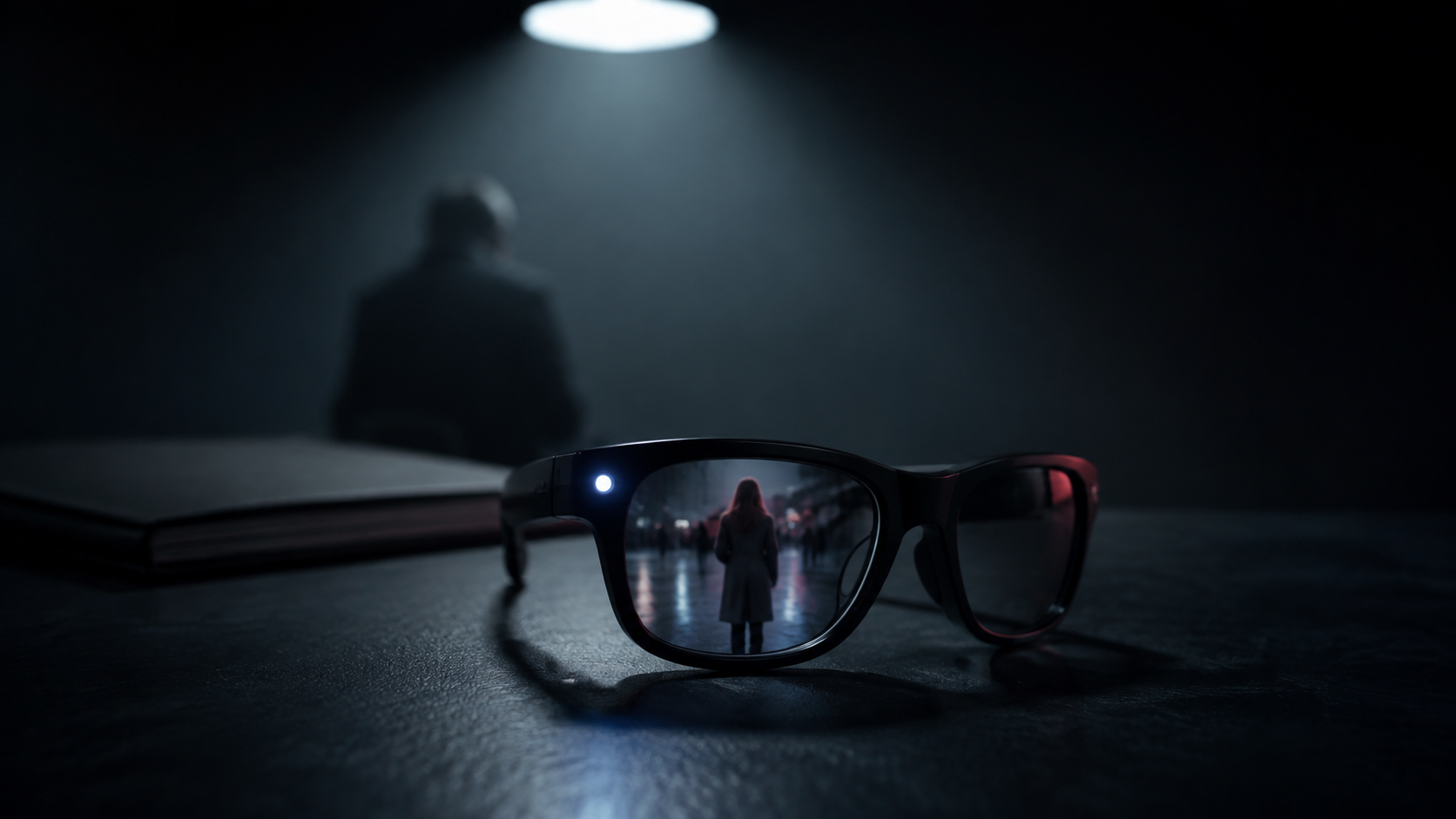
Are Meta’s AI Glasses Legal? Germany Is Testing the Limit
The Tiny Light at the Centre of Meta’s Growing Privacy Storm
Meta’s attempt to place artificial intelligence directly in front of millions of people’s eyes has collided with one of Europe’s strongest privacy regimes. German digital-rights organisation HateAid has filed a criminal complaint against Meta and businesses involved in selling its AI-enabled glasses, alleging that the technology may breach laws designed to prohibit disguised surveillance devices.
The complaint focuses particularly on Ray-Ban Meta Wayfarer glasses, which combine an outward-facing camera, microphones and internet-connected features inside frames resembling conventional eyewear. It has been submitted to Germany’s specialist Central Office for Combating Internet Crime in Frankfurt, although filing a complaint does not establish that any company or executive committed an offence.
A Camera Hidden Inside an Everyday Object
HateAid argues that people can be filmed without understanding that a camera is pointing at them. Its complaint reportedly names the management of Meta, parts of eyewear group EssilorLuxottica and retailers including Fielmann, Apollo-Optik, Mister Spex and MediaMarkt.
German law restricts connected devices that are disguised as ordinary objects and capable of recording people without their knowledge. The crucial legal question is whether Meta’s capture indicator makes recording sufficiently obvious to the average person—or whether the glasses remain too difficult to distinguish from an ordinary pair of Ray-Bans.
That distinction matters because the danger is no longer limited to someone retaining a private recording. Footage can be transferred to a phone, processed through digital services or published online, potentially turning a brief encounter in a street, shop or swimming pool into permanent content.
Meta Says the Capture Light Protects Bystanders
Meta says every pair of its AI glasses includes a white capture LED that flashes when photographs or video are being recorded. According to the company, there is no switch for disabling the indicator, while newer generations automatically shut down the camera if the light is covered or obstructed.
Those safeguards form the heart of Meta’s defence of the product’s design. The company argues that the indicator gives people nearby a visible warning and that captured gallery material remains under the wearer’s control unless they decide to import or share it.
The dispute is therefore not simply about whether a warning exists. It is about whether a small light on an otherwise familiar-looking frame gives a bystander meaningful notice, particularly in daylight, crowded locations or situations where the person does not already know what AI glasses look like.
Why Women Are at the Centre of the Complaint
HateAid says it is seeing increasing levels of image-based digital abuse, with women disproportionately affected. It has warned that inconspicuous camera glasses can be used to record women during apparently ordinary encounters before the footage is uploaded, sexualised or presented as entertainment without their consent.
Once such a video appears online, the consequences can extend far beyond the original recording. A person may be identified, mocked or harassed by strangers while having little practical control over copies, reposts and edited versions spreading across multiple platforms.
The technology itself also has legitimate uses. Hands-free cameras and AI assistance can help blind or visually impaired people understand their surroundings, read information and connect with remote assistance, while users with limited mobility can take photographs without operating a phone. A blanket prohibition could therefore remove meaningful accessibility benefits alongside the privacy risk.
Germany Must Decide Whether the Light Is Enough
Germany’s Federal Network Agency has previously said smart glasses are prohibited when optical or acoustic warnings do not make recording sufficiently apparent. Following the complaint, however, the regulator said ownership, import and sale are not automatically prohibited where the recording function is clearly visible, adding that it is monitoring the market but has not opened a formal infringement investigation.
That leaves the fate of Meta’s glasses resting on a deceptively small detail: whether the capture LED crosses the legal threshold from hidden recording to recognisable recording. HateAid wants prosecutors to examine that question, while Meta’s engineering is designed around the claim that it already has.
A criminal complaint is only the beginning of that process. Prosecutors must determine whether there is enough evidence and legal basis to investigate further, while regulators could separately examine the devices or demand changes without waiting for a criminal case.
The outcome could reach far beyond one model of glasses. If cameras, microphones and artificial intelligence become standard parts of ordinary eyewear, governments will have to decide whether a tiny light offers real consent and transparency—or merely gives surveillance technology permission to disappear into everyday life.
