

Ammonia-to-Hydrogen Method Targets A Hidden Cost In Clean-Energy Logistics
Why Lower Temperature Does Not Settle Hydrogen Cost
Ammonia Carriers And The Challenge Of Useful Hydrogen
Recovering a pure hydrogen stream is an engineering challenge separate from producing the original fuel.
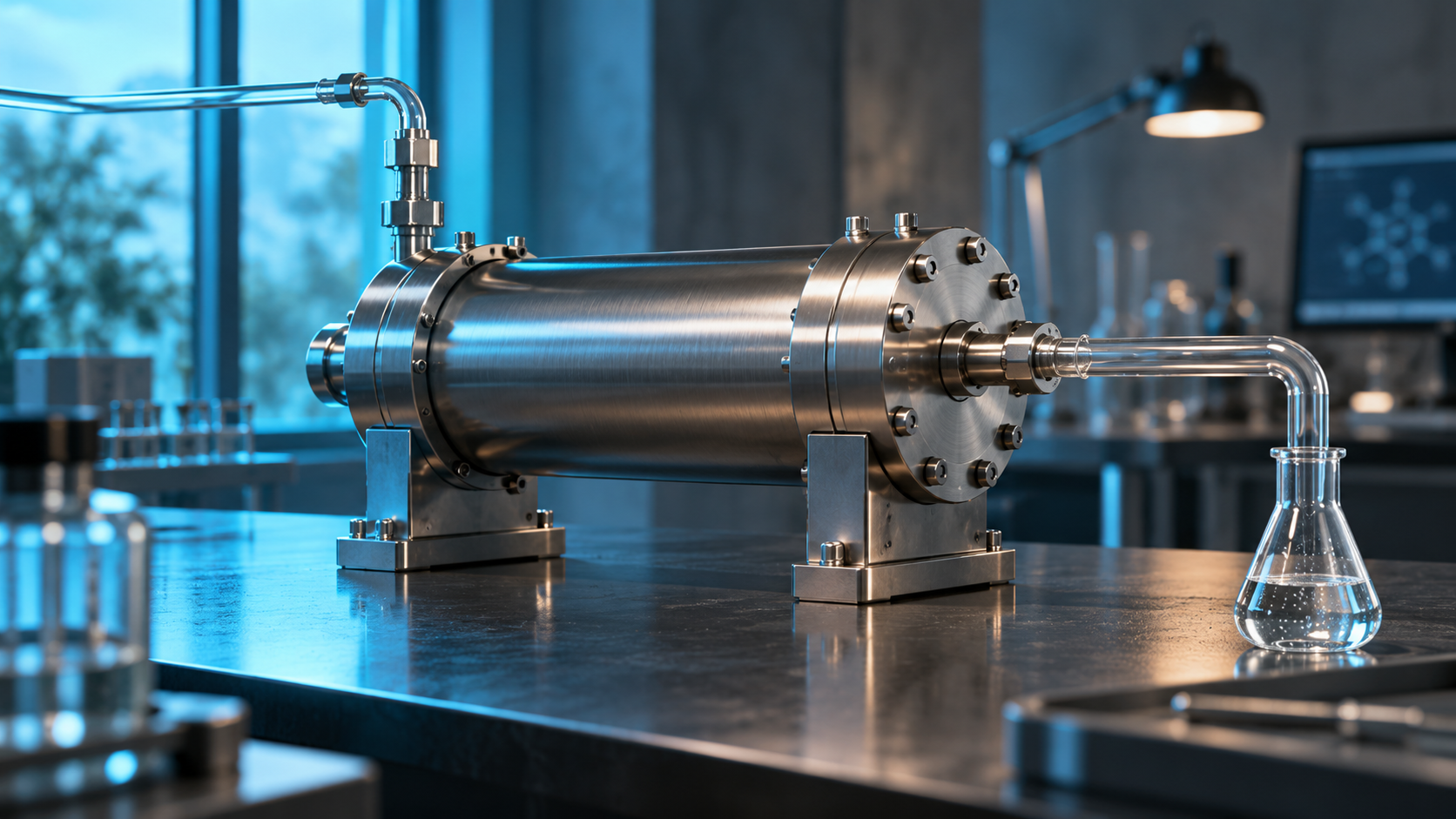
MIT researchers have demonstrated an electrochemical method for extracting purified hydrogen from ammonia and another hydrogen-carrying molecule. The September research announcement describes a system combining a catalyst, a selective membrane and electrical input to help release and separate the hydrogen.
The work addresses a practical difficulty in a potential hydrogen supply chain: transporting hydrogen in a convenient chemical form is only useful if it can be recovered efficiently where it is needed. It is a laboratory advance, not evidence that a low-cost global distribution system is already operating.
Why Carry Hydrogen In Another Molecule?
Hydrogen can be stored directly, but moving and handling it presents engineering challenges. Binding it within another molecule offers a different approach: move the carrier, then release the hydrogen at the destination.
That arrangement creates a round trip in energy and processing terms. Making the carrier costs resources; transporting it has requirements; releasing the hydrogen takes further equipment and energy. A good carrier must be assessed across that full sequence.
An illustrative parcel service makes the trade-off clear. A protective container can simplify shipping, but its value depends on the cost of packing, transport, unpacking and reuse. Looking only at the journey between warehouses would miss part of the system.
Release And Purification Are Linked
MIT reports that its approach uses a palladium-based membrane and operates at roughly 200–300°C, below the temperatures described for conventional high-rate ammonia cracking. Selectively removing hydrogen helps the process while producing a purified stream.
The important conceptual point is that separation can affect the reaction itself. Removing a product as it forms can change the conditions under which further product is generated. The apparatus is therefore doing more than filtering an already completed output.
A user who needs a high-purity gas cares about both recovery and composition. Producing a mixture cheaply may offer little advantage if the subsequent purification step is expensive or unreliable.
Lower Temperature Does Not Automatically Mean Lower Total Cost
Temperature is one metric. Electrical demand, material cost, maintenance, throughput and operating life also matter. A process requiring less heat can still face challenges elsewhere in the system.
The MIT announcement identifies expensive palladium and scale-up among the issues being investigated. That is an appropriate boundary around the result: an effective laboratory configuration can provide a direction for development without yet demonstrating the best commercial design.
A fair comparison would use the same output specification. Comparing one process that supplies pure hydrogen with another that supplies an unpurified mixture would conceal the extra work needed to make the products equivalent.
The Carbon Question Starts Upstream
A cleaner release process does not establish that the carrier was made with low emissions. The US Department of Energy’s explanation of electrolysis stresses the importance of the electricity used in hydrogen production. The same whole-chain reasoning applies when the hydrogen is later converted into a carrier.
For example, an efficient recovery unit cannot erase emissions already produced in making its feedstock. It can reduce a later burden while leaving the upstream one intact. A credible assessment must include both.
This is why colour labels and broad claims about “clean hydrogen” are less informative than a measured production pathway and a clearly defined accounting boundary.
What Would Make The Advance More Useful?
Longer operating tests, performance at meaningful throughput and a transparent comparison with alternatives would strengthen the case. Investigators would also need to show how the system responds to realistic feedstock variation and repeated use.
The new method is interesting because it joins chemistry and separation in one process. Its potential value lies in making a difficult supply-chain step work better. Whether that produces a competitive fuel depends on the rest of the chain, from the original energy source to the final useful output.
