

Hangover Cures Ranked: What Actually Helps?
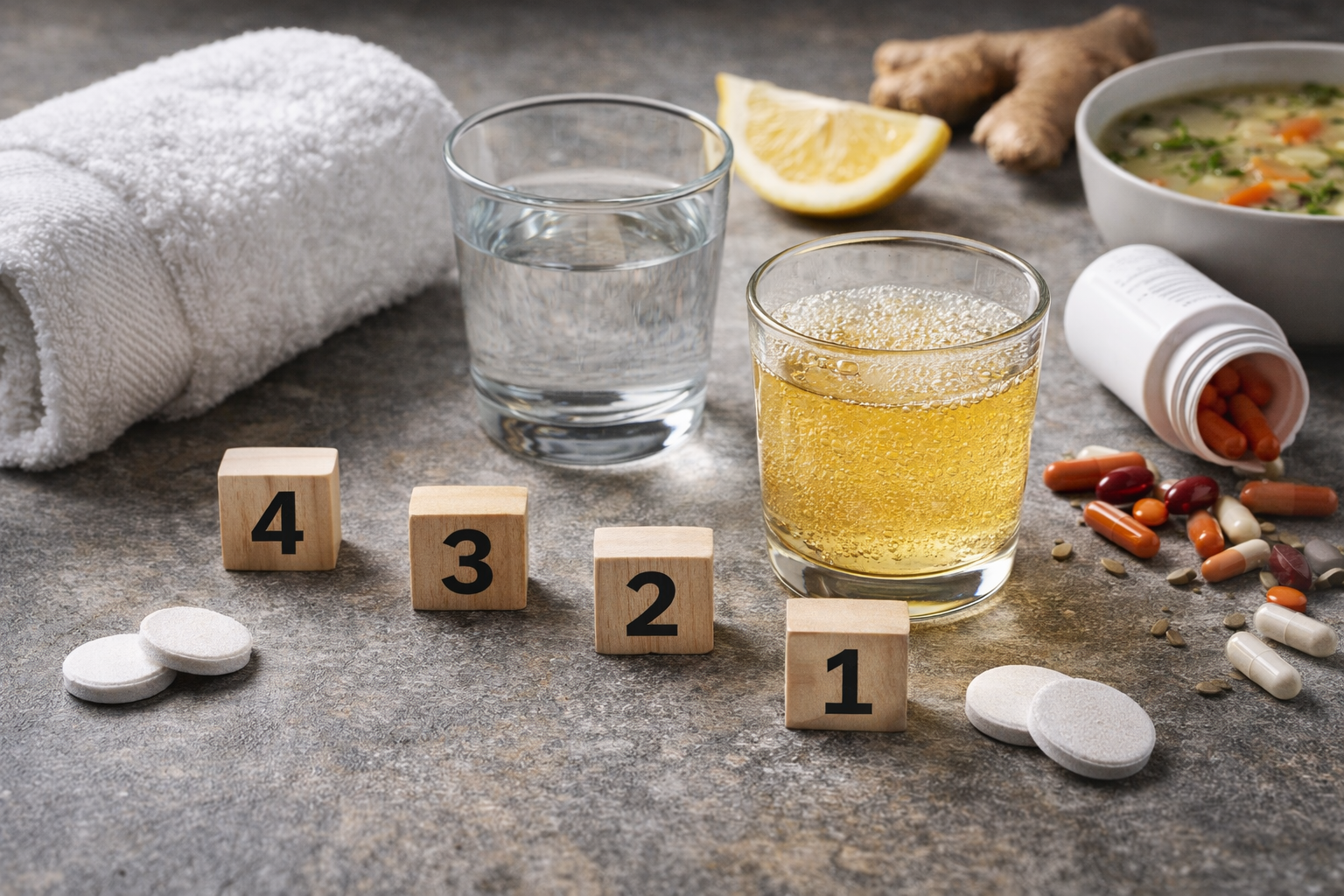
For the same reason that streets go quiet, searches for hangover cures spike: last night was loud, late, and boozy. The promise is always the same. The promise is always the same: a quick fix.
The reality is harsher and simpler. A hangover is not one problem. It is a stack of problems—sleep disruption, stomach irritation, fluid and electrolyte loss, inflammatory stress, and the after-effects of alcohol’s breakdown products—landing at the same time.
That is why most hangover cures disappoint. They treat the hangover like dehydration alone, or like a headache alone, or like nausea alone. They help a little, then hit a ceiling.
This piece ranks what actually moves the needle the morning after New Year’s Eve, explains why the popular myths keep surviving, and shows where the real risks hide—especially around “party drips”, painkillers, and the temptation to keep drinking.
The story turns on whether hangovers are treated as a single symptom to silence—or a system-wide recovery to support.
Key Points
The only true “cure” is time, but the worst symptoms can be reduced by targeting hydration, stomach irritation, sleep debt, and inflammation.
Oral rehydration (water plus electrolytes and glucose) tends to outperform plain water when nausea and weakness are prominent.
Heavy, greasy food is often mistimed: by morning, alcohol is no longer “soaking” in the stomach, but the stomach lining can still be irritated.
Pain relief can help, but some options can worsen gastritis or carry liver risk if taken carelessly after heavy drinking.
“Hair of the dog” usually delays recovery by extending the body’s workload, even if it briefly blunts symptoms.
IV “hangover drips” are marketed as premium recovery, but the benefit for healthy people is thin, and the downsides are easy to underestimate.
Background: What a Hangover Is and Why Hangover Cures Disappoint
A hangover begins when blood alcohol concentration approaches zero. That timing matters. The party ends, the alcohol level falls, and the body is left cleaning up.
Several mechanisms pile up at once:
Alcohol increases urine output, which contributes to mild dehydration and electrolyte loss. Sleep can be shorter and more fragmented, so the brain receives less restorative time. The stomach and gut can be inflamed, making nausea, reflux, and cramping more likely. Alcohol metabolism creates byproducts that are irritating to the body. Blood sugar can swing, which feeds shakiness, fatigue, and that hollow “wired but weak” feeling.
Because the hangover is multi-causal, the best morning-after plan is rarely a single product. It is a sequence: rehydrate effectively, calm the stomach, restore calories gently, reduce pain with care, and give the nervous system time.
One note that matters on New Year’s Day: if symptoms look more like alcohol poisoning than a hangover—confusion, repeated vomiting, seizures, very slow breathing, or inability to stay awake—this is not a “cures” situation. It is urgent care.
Analysis
The Ranked Hangover Cures (1–10)
Rank 1: Time plus sleep (the only real cure).
Nothing clears alcohol byproducts faster than the body can process them. Sleep does not detoxify alcohol, but it reduces the intensity of the hangover by giving the brain and nervous system a chance to stabilise. The most underrated move is simply going back to bed and protecting a quiet, dark room for an extra cycle.
Rank 2: Oral rehydration, not just water.
Plain water helps thirst, but it does not always fix the heavy, weak, headachy feeling. Oral rehydration works better because it pairs fluid with electrolytes and a small amount of glucose, which helps the gut absorb sodium and water more efficiently. A pharmacy oral rehydration sachet is the cleanest version, but an electrolyte drink can be a practical substitute.
Rank 3: Slow, steady fluids (especially when nausea is present).
Chugging can backfire if the stomach is irritated. Small, frequent sips reduce the chance of vomiting and can still correct dehydration over an hour or two. This is also where temperature matters: cool water is often easier than very cold, and warm broth can be easier than sweet drinks.
Rank 4: A simple recovery meal that stabilizes blood sugar.
The best hangover food is boring on purpose. Think toast, oats, rice, bananas, yogurt, eggs, soup—easy carbohydrates with a little protein and salt. This helps with weakness and shakes without punishing an already irritated stomach. The “greasy fry-up as cure” is often a mismatch: fat can feel comforting, but it can also worsen reflux and nausea.
Rank 5: Provide support to calm the stomach lining, similar to antacids.
A lot of hangovers are quietly driven by gastritis—an inflamed stomach that makes every symptom louder. If the main problem is nausea, burning, or sour stomach, simple antacid approaches can reduce discomfort enough to make hydration and food possible. The key is matching the tool to the symptom: Stomach-first hangovers do better with stomach-first fixes.
Rank 6: Pain relief—carefully chosen and properly timed.
Headache and body aches can improve with over-the-counter pain relief, but this is where “quick fixes” can create new problems. Some options can irritate the stomach further, and acetaminophen/paracetamol demands extra caution around heavy drinking because the liver is already under strain. The safest approach is to avoid stacking products, follow labeled doses exactly, and prioritize hydration and food first.
Rank 7: Caffeine, used like a tool—not a rescue.
If someone normally drinks coffee or tea, a modest amount can reduce fatigue and headache perception. But caffeine can also worsen anxiety, nausea, and heart racing in sensitive people—especially after poor sleep. It works best after food and drink, not as the first thing the body meets.
Rank 8: Engage in light movement and expose yourself to daylight to help reset your system.
A hangover often includes a low-grade “poisoned” feeling that is part physiology, part nervous system. A short walk, fresh air, and daylight can improve alertness and mood without claiming to “sweat out” alcohol. Intense exercise is a bad bargain when dehydrated and underslept, but gentle movement can reduce stiffness and help appetite return.
Rank 9: Nausea-specific helpers (ginger, peppermint, warm tea, bland snacks).
These are not magic, but they can be the difference between keeping fluids down and spiraling into dehydration. Hangovers often fail at the first hurdle—nausea—so anything that makes hydration possible earns a high rank in real life.
Rank 10: The “don’t make it worse” cure: skip hair-of-the-dog and be skeptical of drips and miracle supplements.
More alcohol can briefly numb symptoms, but it usually postpones recovery by adding more work for the liver and prolonging sleep disruption. IV “hangover drips” sound clinical, but for healthy people the evidence of meaningful benefit is thin, and the risks and costs are real. The best “premium hack” is often an unglamorous one: fluids, bland food, rest, and time.
Economic and Market Impact
Hangovers are a quiet productivity tax. New Year’s Day is a cultural permission slip for being useless, but the broader pattern—hangovers after weekends, weddings, work parties—creates lost hours, lower-quality decisions, and higher accident risk.
That drag is why the hangover market keeps expanding into higher-price territory: electrolyte brands, “recovery” supplements, patches, and IV lounges that sell medical aesthetics. The incentives are clear. There is no universally effective cure, so consumers keep trying new bets. The business model depends on repeat disappointment that still feels rational: “Maybe this one will work.”
Social and Cultural Fallout
Hangover cures are a mirror of drinking culture. The more alcohol is tied to celebration, status, and social belonging, the more a hangover feels like an obstacle to manage rather than a signal to reconsider.
New Year’s Day also reveals a split. Some people treat the hangover as a one-off cost of a rare night out. Others treat it as routine maintenance. The second group is where the stakes rise, because “recovery culture” can become a way of normalizing very heavy drinking without confronting the long-term health trade-offs.
Technological and Security Implications
The concept of the “quantified self” has now extended to measuring hangovers. Wearables now show poor sleep architecture, elevated resting heart rate, and lower HRV after drinking—metrics that make the hangover feel measurable and, therefore, solvable. While this can be beneficial, it also perpetuates a false belief that one can outsmart physiology by selecting the appropriate products.
There is also a quiet safety angle. The morning after heavy drinking is when people drive, cycle, make financial decisions, text exes, and return to work with impaired attention. Hangover care is not only comfort. It is risk management.
Three Scenarios for What Happens Next
Scenario 1: “Recovery” becomes mainstream wellness.
Trigger: more premium clinics and consumer brands push hangover recovery as a lifestyle add-on.
Winners/losers: clinics and supplement companies win; consumers lose money and may take bigger risks.
First visible sign: IV lounges and “recovery menus” become normal in nightlife districts.
Scenario 2: A backlash against exploitative hangover medicine.
Trigger: regulators and health systems push harder against unproven IV claims and unsafe supplement marketing.
Winners/losers: consumers win on safety and clarity; some wellness businesses lose margin.
First visible sign: sharper warnings, tighter advertising rules, or high-profile enforcement actions.
Scenario 3: Better prevention replaces desperate cures.
Trigger: low- and no-alcohol options continue to improve, and social norms shift toward pacing and earlier nights.
Winners/losers: public health wins; binge-heavy venues may lose some sales.
The first visible sign: more “moderation by default” behaviours—alternating drinks, planned cutoffs, and fewer hangover-normal jokes.
What Most Coverage Misses
Most hangover advice treats the morning after as the whole story. The bigger story is the night before: pacing, food, and sleep protection determine how brutal the next day becomes.
The second miss is the hidden risk in “treatments.”. People focus on whether a pill helps a headache, not whether it worsens gastritis, stresses the liver, or encourages more drinking. The hangover market sells relief. It rarely sells trade-offs.
Why This Matters
In the short term, hangover cures affect how safely people function: driving, parenting, travelling, and returning to work. The biggest gains come from hydration that actually absorbs, food that settles rather than punishes, and rest that reduces nervous system strain.
In the long term, the hangover conversation shapes drinking norms. If every hangover is framed as a problem to hack away at, it can obscure the more important question: how often heavy drinking is happening, and what it is costing beyond one ruined morning.
Real-World Impact
A nurse in London wakes up for a January 1 shift with nausea and a pounding headache. The practical solution is not a miracle pill. It is oral rehydration, bland carbs, and a careful choice of pain relief to avoid worsening the stomach during a long day on her feet.
A finance analyst in New York has a morning flight. The difference between making it and missing it is often nausea control and slow fluids, not coffee and bravado. The wrong move is chugging caffeine on an empty stomach.
A couple in Sydney has toddlers who are indifferent to the fact that it is New Year’s Day. The best “cure” becomes logistics: tag-team naps, hydration, simple food, and lowering expectations for the day rather than fighting through it.
A student in Manchester sees a flashy IV drip offer online and considers it the “adult” solution. The more realistic approach is cheaper and safer: oral rehydration, rest, and not prolonging the problem with more alcohol.
Conclusion
Hangovers invite the same fantasy that there is a shortcut back to normal. But the body is not negotiating . It is recovering.
The best-ranked hangover cures are not glamorous because the hangover is not a single flaw to patch. It is a pile-up. The smartest morning-after plan reduces the load—rehydrate effectively, stabilize the stomach, restore basic calories, use pain relief carefully, and protect sleep.
The signs the day is turning the corner are simple: thirst eases, nausea loosens, the head pressure drops, and appetite returns. When those show up, the “cure” is working—not because it beat biology, but because it supported it.
