England’s Heat Alert Escalates—Seven Ways To Keep Dangerous Heat Outside
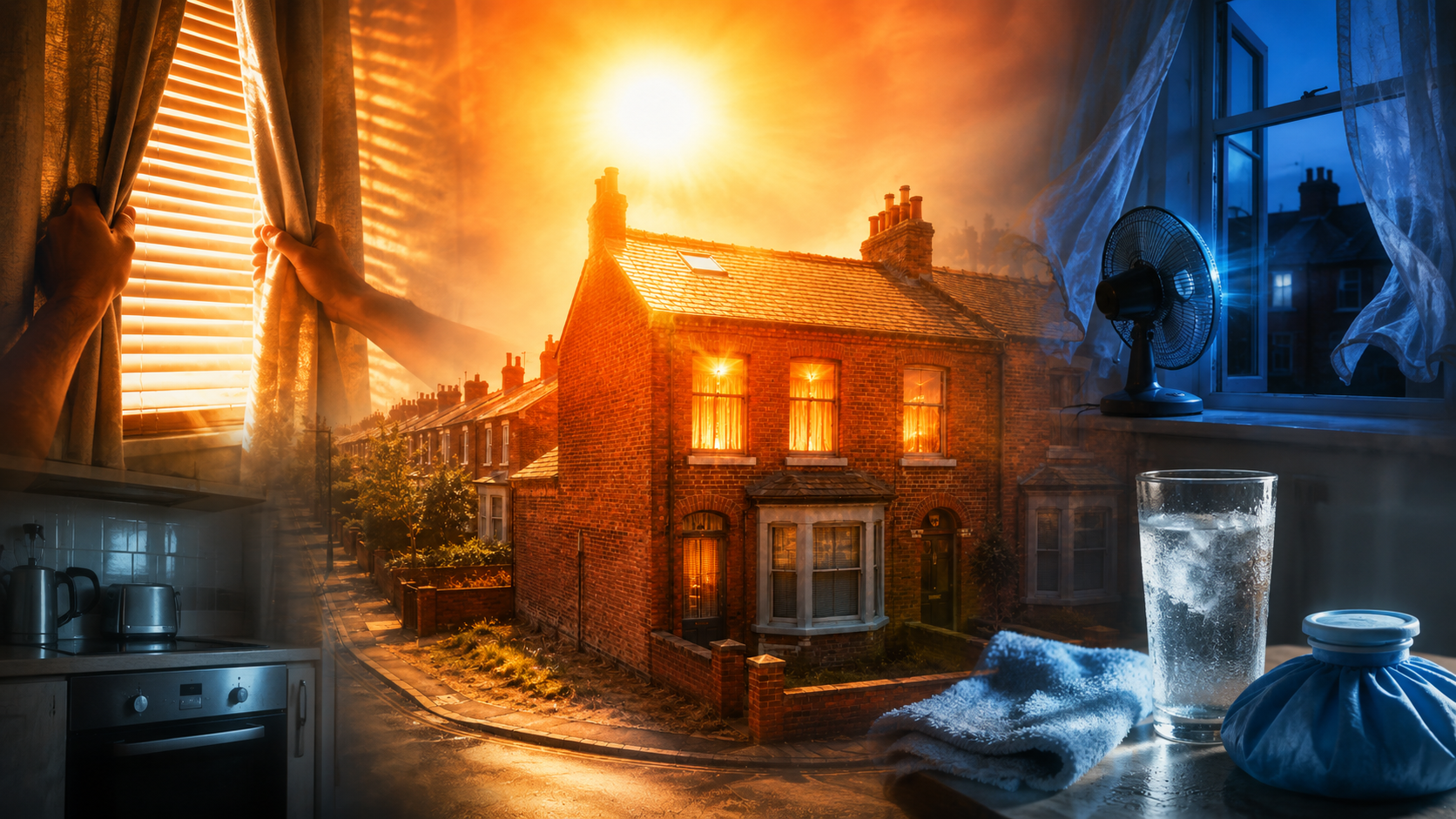
The Window Mistake That Could Make Your Home Even Hotter During England’s Heatwave
England Braces For 37°C Heat—How To Keep Your Home Cool Without Air Conditioning
Every region of England has been placed under an amber heat-health alert as temperatures threaten to reach approximately 37°C in parts of the country. The alert covers the North East, North West, Yorkshire and the Humber, East and West Midlands, East of England, London, South East and South West.
The alerts were updated across all nine English regions on Tuesday, 11 August, and are expected to remain in place until 9pm on Friday. The most intense heat is forecast for Thursday, when temperatures could rise widely into the mid-30s across parts of southern, eastern and central England.
Why The Amber Alert Matters
An amber heat-health alert means significant effects are considered likely across health and social care services. These can include an increase in deaths among people aged 65 and over and those with existing health conditions, greater demand for services and dangerously high internal temperatures in hospitals and care homes.
The Met Office has separately issued an amber extreme-heat weather warning for parts of southern and eastern England and the Midlands on Thursday. Forecasters have warned of possible travel disruption, pressure on heat-sensitive equipment and an increased risk of water-related incidents.
High pressure is becoming dominant over the country, while southerly and southeasterly winds are drawing additional warmth from continental Europe. Although the peak is expected to be shorter than some previous heatwaves, temperatures around 37°C would be severe enough to make poorly ventilated homes increasingly uncomfortable—and potentially dangerous.
1. Shut Sun-Facing Windows Before The Heat Arrives
One of the most common mistakes during a heatwave is opening every window throughout the day. If the air outside is hotter than the air inside, an open window can allow more heat into the room rather than cooling it.
Close windows on the sunny side of the property once outdoor temperatures begin rising. Keep internal doors closed if they separate a relatively cool room from a hotter part of the home, but do not obstruct permanent ventilation or extractor systems.
2. Close Curtains And Blinds Early
Do not wait until the room already feels unbearably hot. Close blinds or curtains on windows receiving direct sunlight early in the day so that less solar energy enters and heats the furniture, flooring and walls.
External shutters, awnings and shades are particularly effective because they stop sunlight before it passes through the glass. Where these are unavailable, ordinary curtains or blinds can still reduce the rate at which the room heats up.
3. Open The House When The Temperature Falls
Windows become useful again when the outside air is cooler than the air trapped indoors, usually during the late evening, overnight or early morning. Opening windows on opposite sides of a home can create cross-ventilation, replacing accumulated hot air with cooler outside air.
Security must come first, particularly when leaving ground-floor windows open overnight. Even a shorter period of ventilation in the early morning can help remove heat before windows and curtains are closed again for the day.
4. Turn Off The Hidden Heat Sources
Lights, televisions, computers, games consoles and other electrical devices all release heat while operating. Switching off equipment that is not needed—including devices left in standby mode—reduces the amount of additional warmth being generated inside the home.
Ovens and hobs can rapidly raise the temperature of a small kitchen. Cold meals, microwaved food or cooking during a cooler part of the day can prevent an already-hot home from becoming even more uncomfortable.
5. Use Fans Properly
Electric fans can improve comfort by moving air across the skin, but they do not lower the temperature of a room. Government guidance recommends using them when the air temperature is below 35°C and warns against directing a fan continuously at the body because this can contribute to dehydration.
A fan becomes more useful during the evening when positioned to help move cooler air through the property. Anyone using one should continue drinking fluids regularly rather than assuming the moving air has removed the risk of overheating.
6. Move Downstairs Or Change Rooms
Heat rises, making top-floor flats, loft bedrooms and upstairs rooms particularly vulnerable. If one part of the home remains cooler, temporarily using it as the main living or sleeping space may be more effective than trying to cool the hottest room.
North-facing rooms and lower floors will often receive less direct sunlight. Closing unused hot rooms can also stop some of their accumulated warmth spreading through the rest of the property.
7. Create A Personal Cooling Point
If the house itself cannot be cooled sufficiently, concentrate on lowering the strain on the body. Cool showers, damp cloths on exposed skin, cold drinks and cold packs wrapped in cloth can all provide relief.
Libraries, supermarkets and places of worship may also be cooler than an overheated home. Visiting one during the hottest period can provide a valuable break, provided the journey itself does not involve prolonged exposure to direct sun.
The People Most At Risk
Older people, young children, pregnant women, people living alone and those with heart, breathing or other long-term health conditions face a greater risk during severe heat. Certain medications also have specific storage requirements, so instructions on the packaging should be checked rather than moving medicines into a refrigerator without advice.
Heat exhaustion can cause weakness, headache, nausea, muscle cramps, heavy sweating, intense thirst or faintness. Anyone affected should move somewhere cooler, remove unnecessary clothing, drink cool fluids and apply cool water to the skin.
A person who remains unwell after approximately 30 minutes of cooling may require medical advice. Confusion, loss of coordination, seizures, fast breathing or hot skin that is no longer sweating can indicate heatstroke, which is a medical emergency.
When The Heat Should Finally Ease
Thursday is currently forecast to bring the peak of the heat, although southern and southeastern England could remain hot on Friday. Cooler air is then expected to spread southwards more widely on Saturday.
Until that relief arrives, the most effective household strategy is simple: block sunlight and hotter outside air during the day, remove internal heat sources, and ventilate the property once the air outside becomes cooler. The earlier these measures begin, the less accumulated heat the home will have to release overnight.
