

Green Party Candidates Arrested As Antisemitism Row Collides With Terror Attack Shockwave
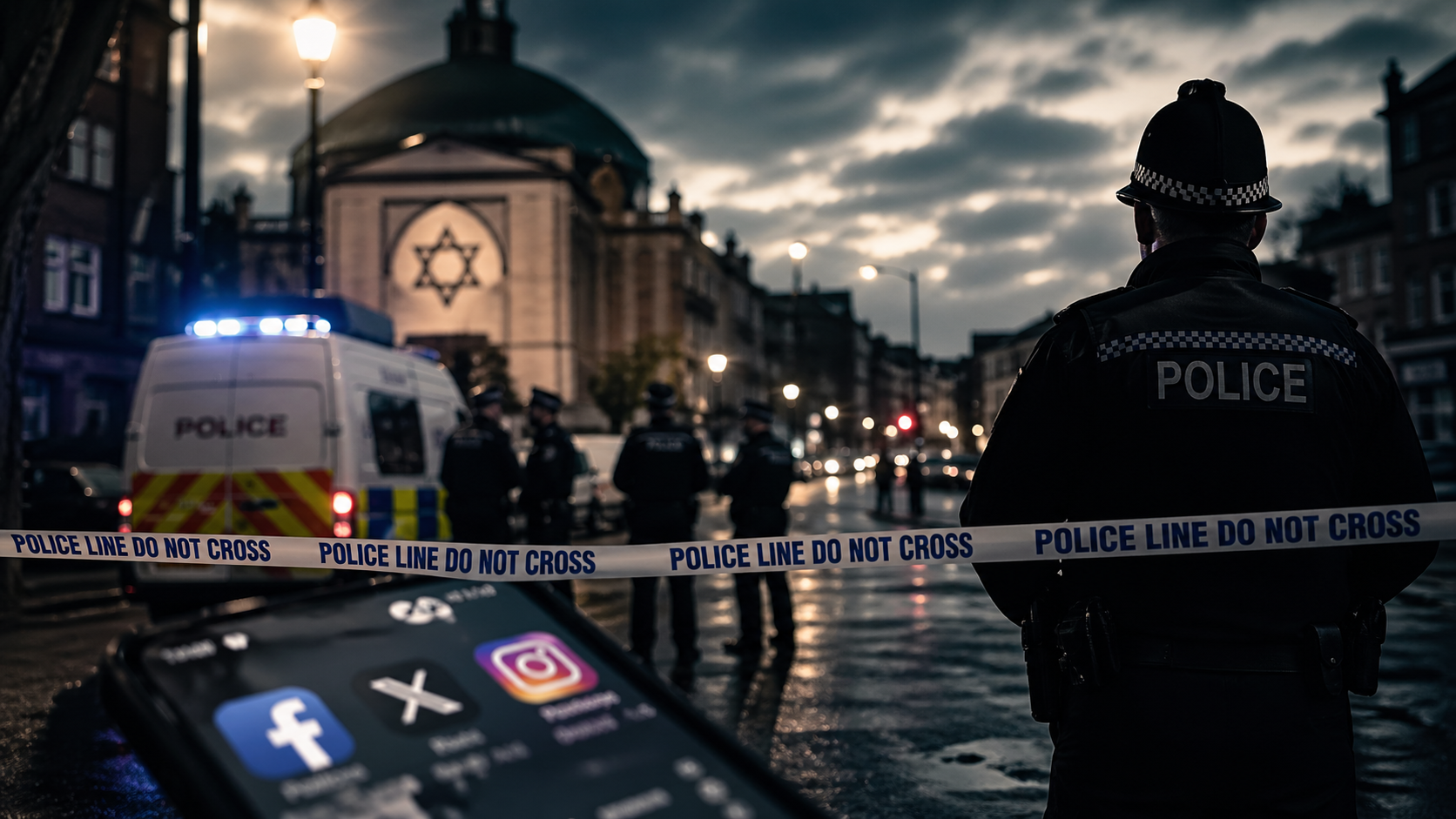
The Political Firestorm After Two Green Candidates Are Arrested
Arrests, Hate Speech Allegations, and a Terror Backdrop: The Crisis Engulfing Green Candidates
The timing is what turnsthe situations from a scandal into something heavier.
Two local election candidates are arrested on suspicion of stirring racial hatred. At almost the same moment, a violent antisemitic attack shocks a London community. Within hours, politics, policing, and public fear collapse into a single narrative.
This is no longer just about posts on social media. It is about what happens when rhetoric, perception, and real-world violence begin to overlap.
What Actually Happened
Two Green Party local election candidates in Lambeth—Saiqa Ali and Sabine Mairey—were arrested by police on suspicion of offenses under laws covering the stirring up of racial hatred.
The arrests relate to alleged online posts. Reported examples include:
Content interpreted as supportive of armed “resistance” linked to Hamas imagery
Claims that Western governments are influenced by Jewish interests
A statement suggesting violence against a synagogue was “revenge” rather than antisemitism
References to conspiracy theories such as 9/11 being a “false flag”
Police have not publicly confirmed full details of the evidence. The individuals remain suspects, and the legal process will determine whether any charges follow.
The Green Party has stated the situation is now a police matter and declined further comment at this stage.
Why This Landed So Hard — The Timing
If this story had broken in isolation, it would have been a contained political controversy.
It didn’t.
The arrests came immediately after a violent knife attack in Golders Green, north London, where two Jewish men were seriously injured in what authorities described as a terrorist incident motivated by antisemitism.
That attack followed a series of antisemitic incidents in recent weeks and contributed to a rising sense of insecurity within Jewish communities.
The UK’s terror threat level has since been raised to “severe,” meaning an attack is considered highly likely.
This context matters. Because it reframes everything.
What might otherwise be dismissed as offensive or extreme online speech is now being viewed through the lens of real-world violence.
The Legal Line: Speech Versus Incitement
The arrests hinge on a specific threshold: not simply offensive views, but material that could be considered encouraging or inciting racial hatred.
Under UK law, such conduct is a serious criminal matter.
The distinction is crucial:
Offensive speech alone is not necessarily illegal
Speech that could incite hatred or violence may cross into criminal territory
That line is often contested, especially in politically charged contexts involving foreign policy, religion, and identity.
In this case, police appear to believe that the threshold may have crossed. The courts will decide.
A Wider Pattern Inside The Party
The arrests do not sit in isolation within the Green Party.
Recently, multiple candidates have faced scrutiny over social media content, including:
Claims blaming Israel or “Zionists” for global events
Statements downplaying or reframing attacks on Jewish civilians
Conspiracy theories linked to major global incidents
Party leadership has acknowledged vetting challenges, particularly given the large number of candidates fielded in local elections.
Some internal figures have also criticized how disciplinary processes have been handled, suggesting tension within the party itself over how to respond.
The Political Risk
The Political Risk landscape is where the story becomes strategically dangerous.
Not because of the individual candidates, but because of perception.
Three risks emerge:
1. Narrative Contamination
A party’s reputation is usually shaped by its leaders. It is shaped by its most extreme or controversial examples.
Even a small number of cases can redefine public perception.
2. Timing Amplification
The proximity to a terror attack intensifies the reaction.
What might have been treated as a fringe issue is now considered part of a broader climate.
3. Trust Threshold
Voters do not need to believe a party endorses extreme views.
They only need to doubt whether it can control them.
That doubt can be enough.
What Most People Miss
The deeper story is not about two candidates.
It is about how modern political risk works.
Three forces are colliding:
Decentralised candidate selection → More exposure to extreme or unfiltered views
Social media permanence → Old posts become immediate liabilities
High-sensitivity security climate → Context turns controversy into crisis
Individually, each is manageable.
Together, they are explosive.
The Broader Context: Rising Tensions
Across the UK, antisemitic incidents have increased in frequency and visibility, particularly following geopolitical tensions involving Israel and the Middle East.
Political language, protest culture, and online discourse have all intensified.
That creates a fragile environment where:
Language is scrutinised more closely
Intent is questioned more aggressively
Boundaries between activism and incitement are contested
In that environment, mistakes — or perceived mistakes — carry far greater consequences.
Where This Goes Next
Several outcomes are now possible:
Police investigation leading to charges or release
Internal party disciplinary action
Political opponents using the issue during election campaigning
Wider scrutiny of candidate vetting across all parties
The story is still developing. Key facts—including full context of the posts and legal outcomes—remain unresolved.
The Bottom Line
This is not just a scandal about offensive posts.
It is a stress test of political systems under pressure.
When security fears rise, tolerance for ambiguity drops.
When violence enters the conversation, language becomes evidence.
And when both happen at once, even local election stories can escalate into national flashpoints.
