

“He’s No Churchill." Trump Furious at Starmer’s Iran Hesitation as Tony Blair Joins Criticism
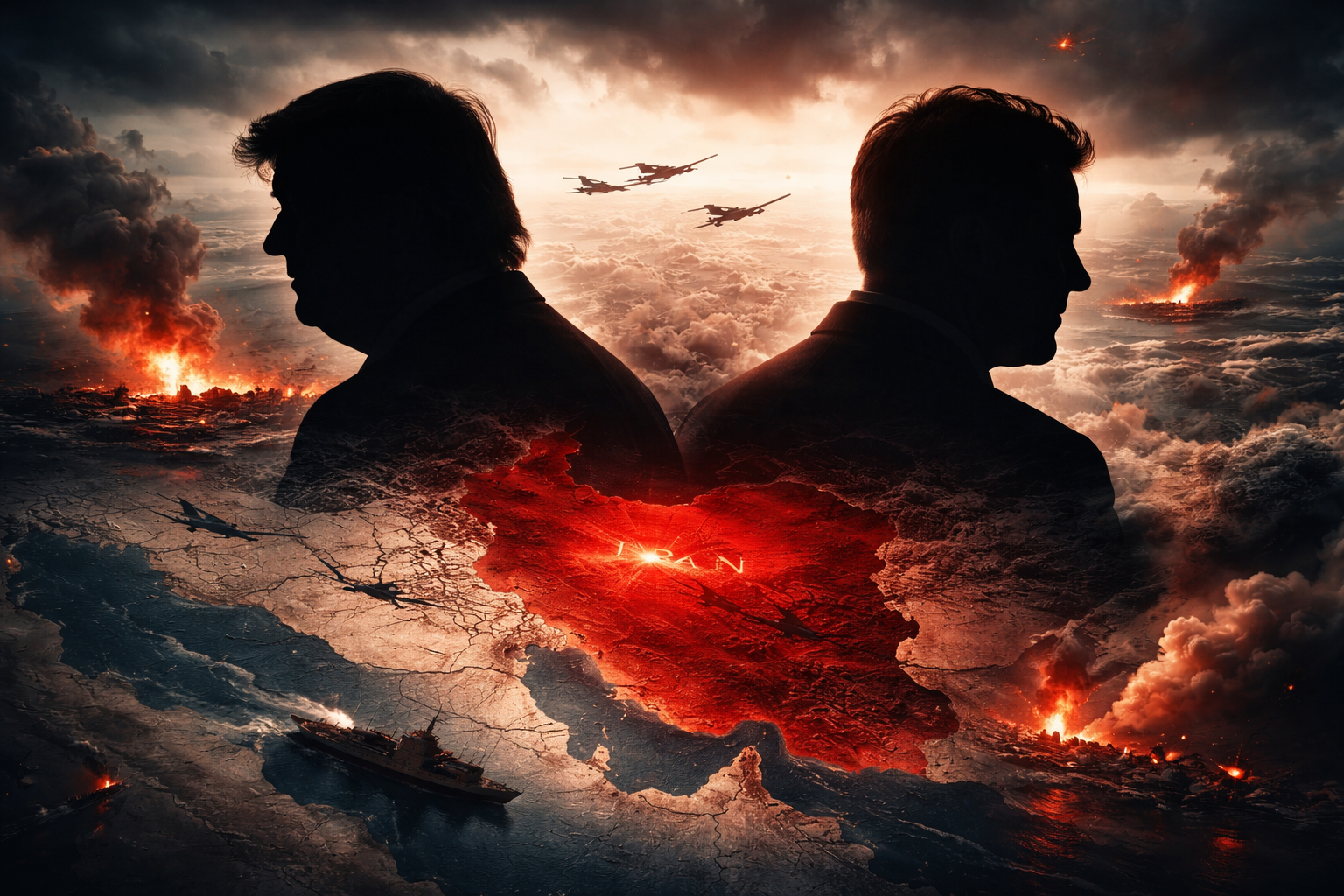
Trump Erupts at Starmer Over Iran War Delay
Trump’s criticism of Starmer’s Iran hesitation and Blair’s intervention reveals deep divisions in the Western alliance as the Middle East conflict escalates.
The transatlantic alliance has rarely looked more strained. As of early March 2026, tensions between British Prime Minister Keir Starmer and U.S. President Donald Trump have spilled into public view over Britain’s hesitant response to the escalating conflict with Iran.
Trump has openly rebuked Starmer, even comparing him unfavorably with Britain’s wartime leader Winston Churchill. The clash has exposed deep divisions over strategy, alliance loyalty, and how far Western powers should go in confronting Tehran.
Yet beneath the rhetoric lies a larger strategic question: whether Britain’s caution represents prudent restraint—or damaging indecision at a moment of escalating conflict.
The story turns on whether Britain’s hesitation weakens the Western coalition confronting Iran or prevents the UK from being drawn into another open-ended Middle Eastern war.
Key Points
Donald Trump publicly criticized Keir Starmer for delaying permission for the U.S. to use British bases in early strikes against Iran.
Trump said Starmer was “no Winston Churchill,” accusing him of weakening the historic U.S.–UK alliance.
Starmer initially refused U.S. requests to use bases such as RAF Fairford and Diego Garcia for offensive operations.
Former Prime Minister Tony Blair has criticized Starmer, saying Britain should have backed the United States from the outset.
Britain later permitted limited defensive operations and deployed military assets after Iranian retaliation in the region, which included the deployment of naval vessels and air support to protect allied interests.
The dispute has raised questions about the future of the “special relationship” between London and Washington.
Where the Rift Began
The confrontation began in the opening hours of the Iran conflict.
When the United States and Israel launched early strikes against Iranian targets, Washington sought permission to use British-controlled facilities—including RAF Fairford in Gloucestershire and the strategic Diego Garcia base in the Indian Ocean.
Starmer refused.
At the time, the prime minister argued that British participation in offensive strikes required stronger legal justification and a clearer strategic framework. His government also wanted to avoid repeating the mistakes associated with the Iraq War, such as inadequate planning and lack of post-conflict strategy, which had led to long-term instability in the region.
But from Washington’s perspective, the hesitation looked like wavering support.
Trump later complained that Britain had “delayed assistance,” arguing the United States would remember which allies stood with it at the outset of the crisis.
The dispute quickly escalated into public criticism.
Trump’s Churchill Comparison
Trump’s most incisive remark directly addressed Britain’s historical identity.
Frustrated by London’s hesitation, he declared that Starmer was “no Winston Churchill,” invoking Britain’s most iconic wartime leader.
The implication was clear: when faced with authoritarian threats, Churchill acted decisively and aligned firmly with allies.
Trump’s argument is that Starmer did the opposite—hesitating, debating legality, and ultimately moving only after events on the ground had already shifted.
To Trump supporters, the contrast symbolizes a broader shift in Western leadership: from decisive deterrence to cautious legalism.
Starmer’s Strategy: Law, Caution, and Iraq’s Shadow
Starmer’s defenders argue that the prime minister was acting responsibly.
His government emphasized that Britain should not participate in “regime change from the skies” and warned against repeating past interventions without clear legal grounds.
The UK eventually allowed U.S. operations from British bases—but only for “specific and limited defensive purposes.”
At the same time, Britain deployed:
RAF Typhoon fighter jets to the Middle East
Air refueling missions over Jordan and Qatar
Warships and anti-drone systems to defend regional bases
These moves allowed Britain to support allies while avoiding full participation in offensive strikes.
Critics, however, see the shift as proof that the government eventually moved closer to Washington’s position anyway—only later and under greater pressure, particularly in response to escalating geopolitical tensions and the need for a unified stance among Western allies.
Tony Blair’s Intervention
Perhaps the most politically awkward criticism for Starmer came from within his party’s history.
Former Labour prime minister Tony Blair said Britain should have supported the United States from the beginning of the conflict.
Blair argued that when the United States—“an indispensable cornerstone of your security”—asks for support, allies should show up.
His remarks were striking given his own controversial legacy over the Iraq War.
But Blair’s intervention reflected a longstanding view among Atlanticists: that the strength of the Western alliance depends on early unity, not cautious distance.
The Political Inconsistency Critics Highlight
Opponents say Starmer’s position appears contradictory.
They point to three shifts in policy:
First, Britain refused U.S. base access for offensive strikes.
Second, it allowed defensive operations from those same facilities, which included measures to protect allied forces and deter further aggression.
Third, it began deploying additional military assets as Iranian retaliation intensified, which some analysts argue could escalate tensions in the region and undermine Britain's position of restraint.
To critics—including Trump allies—the response looks like strategic ambiguity rather than principled restraint.
The argument from that camp is simple: if Britain ultimately ends up supporting operations anyway, hesitation only weakens deterrence and signals division.
What Most Coverage Misses
The dispute is not just about Iran.
It reflects a deeper shift in how Britain defines its global role after Brexit and years of military fatigue from Iraq and Afghanistan.
For decades, the UK positioned itself as Washington’s closest military partner—often the first ally willing to act alongside the United States.
Starmer appears to be testing a different model: a Britain that supports U.S. strategy but retains greater political distance and legal caution.
That subtle shift matters enormously.
If Britain begins behaving more like continental European powers—supportive but cautious—it could permanently reshape the dynamics of the transatlantic alliance, leading to a more balanced approach in international relations and potentially affecting future collaborations on security and trade.
Escalation Paths Now Facing the West
The conflict with Iran continues to evolve rapidly.
Several scenarios are now possible.
One path is deeper Western involvement. If Iranian attacks intensify against Gulf bases or shipping routes, pressure could mount for Britain to move from defensive support to direct combat participation.
Another scenario involves naval escalation. Britain is already considering deploying the HMS Prince of Wales aircraft carrier to the region as tensions rise.
A third possibility is diplomatic containment, where Western powers attempt to halt escalation through negotiations over Iran’s nuclear program.
Finally, there is the risk of regional expansion if proxy groups or additional states become involved, potentially leading to a broader conflict that could destabilize the entire region and challenge the effectiveness of Western diplomatic efforts.
Each scenario would further test the unity of Western alliances—and the leadership choices made in London and Washington, particularly in how they respond to the evolving geopolitical landscape and the potential for increased tensions in the region.
The Alliance at a Strategic Crossroads
The world has described the U.S.–UK partnership as the most durable alliance for over eighty years.
But the Iran crisis has exposed how fragile that relationship can become when political leadership diverges, particularly as differing approaches to foreign policy can lead to tensions and challenges in collaborative efforts.
Trump sees decisive action against Iran as essential to deterrence and regional stability.
Starmer believes caution, legality, and alliance management are the wiser course.
Which approach proves correct will depend on how the conflict unfolds in the coming weeks.
What is certain is that the debate over Britain’s role in confronting Iran has already reopened an old question: whether London still wants to stand shoulder-to-shoulder with Washington—or chart a more independent path.
The answer will shape the Western alliance long after the Iran crisis ends.
