Stores Stay Open for Now, but a Break-Up Is the Likeliest Outcome
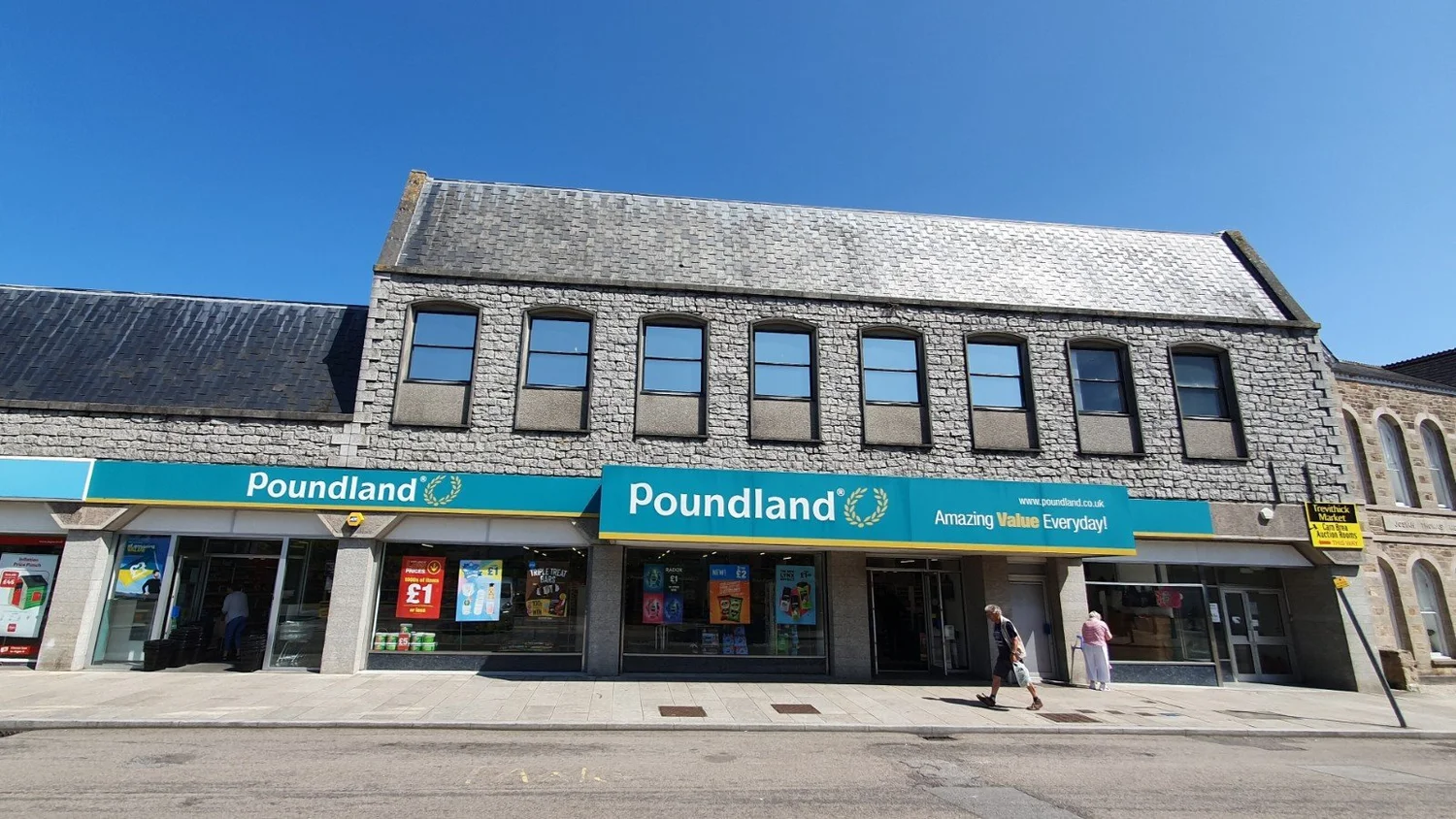
Poundland formally entered administration on Wednesday afternoon, 25 November 2026, putting about 11,000 jobs at risk after its owner, the US investment firm Gordon Brothers, failed to agree a rescue deal. The BBC reported the collapse at 15:46 GMT, and AlixPartners confirmed shortly afterwards that three of its partners, Clare Kennedy, Daniel Imison and Kevin Wall, had been appointed joint administrators.
For shoppers and staff the immediate picture is that nothing closes today. The administrators say Poundland will keep trading while they examine their options, and that all stores and distribution centres remain open "at this time". But the BBC reports that the discount chain is likely to be broken up, with some shops potentially sold to rival retailers, just weeks before Christmas.
What Has Been Confirmed
- Administration: Poundland entered administration on 25 November after a long and public sale process produced no deal.
- Administrators: Clare Kennedy, Daniel Imison and Kevin Wall of AlixPartners. They now control any sale of the business or its assets, "either in whole or part".
- Scale: about 11,000 staff across roughly 600 stores, according to Insider Media.
- Trading: the business continues to trade and all stores and distribution centres are open for now.
- Who the administrators are talking to: representatives of the government and the shopworkers' union Usdaw, according to their statement.
A spokesperson for the administrators said: "We appreciate this is a deeply concerning time for all involved - customers, suppliers and, in particular, Poundland colleagues." They invited anyone interested in buying all or part of the business, and UK retailers with job vacancies, to contact them.
Why the Rescue Talks Failed
Gordon Brothers, which specialises in buying and restructuring distressed companies, bought Poundland for less than £1 last year, the BBC reports. With the business it inherited a shareholder loan, and that loan became one of the central obstacles in the sale talks. Gordon Brothers was owed £22.5m of it and Poundland's previous owner, Pepco, £7.5m.
According to the BBC, Gordon Brothers turned down several offers to buy Poundland as a going concern:
- Martin Property Group, an Irish firm, offered to repay £5m of the loan up front and defer the rest to 2030. This was rejected.
- Xyra, a London-based group, offered £12.5m up front but ran out of time to complete a deal.
- Zachert Private Equity, a German investment firm, is understood to have made a late offer, which was also rejected.
Insider Media, citing earlier Sky News reporting, says three board members appointed on 15 October, Andrew Kirkpatrick, Stephen Welch and Dominic Young, stepped down after a disagreement with the owner over its decision not to accept a solvent offer from Martin Property Group. Gordon Brothers had already filed two notices of intention to appoint administrators to buy time for a rescue.
Two Very Different Accounts of the Business
The collapse has been accompanied by a sharp dispute over whether Poundland needed to fail. Insiders quoted by the BBC accused Gordon Brothers of driving a viable business into the ground to make money through insolvency. Gordon Brothers denied that. It described Poundland as "challenged and vulnerable to any potential downturn in future trading" and said it had put £85m into the company over a year to keep it out of insolvency.
Poundland's chief executive, Barry Williams, had painted a very different picture, saying the business was making a "strong recovery". The BBC reports that the crisis came to a head in recent weeks after Gordon Brothers restricted access to some funds used for day-to-day operations, which meant stock was not being replenished at the pace needed in the run-up to Christmas.
Analysis: those are competing claims that the administration process itself may help to test. Administrators have a legal duty to act in the interests of creditors as a whole, and their eventual report will set out what the business was worth and how the sale was handled.
A Chain That Was Already Shrinking
Poundland had already closed more than 100 stores as part of a restructuring aimed at turning around heavy losses, and earlier this year Gordon Brothers hired the advisory firm Alvarez & Marsal to find a buyer. The failure to sell the company whole after that process is why a break-up, with the most profitable shops sold on and others at risk of closure, is now seen as the most likely result.
What It Means for Staff and Shoppers
For the 11,000 employees, administration does not mean immediate redundancy: staff remain employed while the business trades and the administrators look for buyers. The administrators' appeal to other retailers with vacancies suggests they expect some roles to go, however. Usdaw's involvement means the union will be consulted as decisions are made.
For shoppers, stores remain open. Neither the BBC nor the administrators' statement has yet set out arrangements for gift cards, refunds or returns. Those are usually confirmed by administrators in the first days of the process, and Taylor Tailored will add them here when they are published.
What Is Still Unknown
- Which stores, if any, will close, and when.
- Whether a buyer emerges for all or part of the chain, including bidders whose earlier offers were rejected.
- How many of the 11,000 jobs can be saved.
- What the government's involvement in the talks with the administrators will amount to.
Taylor Tailored will update this article as the administrators announce sales, closures or customer arrangements.
Sources
- BBC News: Poundland collapses putting 11,000 jobs at risk (25 November 2026)
- Insider Media: Administrators formally appointed at Poundland with thousands of jobs at risk (25 November 2026)
Next Reads
- UK retail upheaval: Poundland store closures top 100 as the discount giant shrinks its high street footprint
- January 2027 energy price cap and winter bills explained
- Burnham targets vape shops, bookies and gaming centres in a sweeping high-street crackdown
- John Lewis says AI shopping has surged eightfold as retail enters a new era
- US Section 301 excess-capacity tariffs explained
