

Starmer Warns Wars Could “Define a Generation” — Why Ukraine and Iran May Reshape the World Order
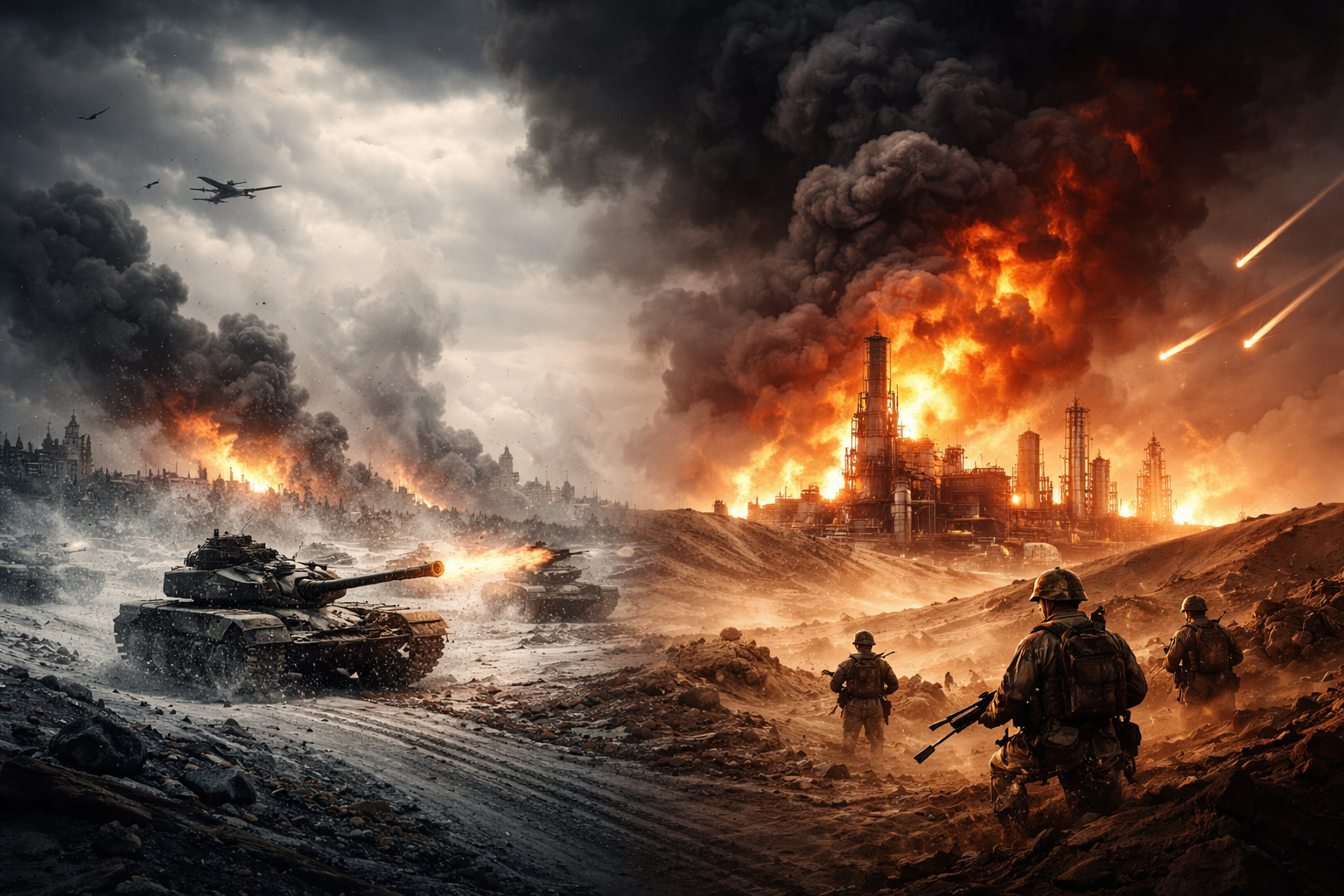
The Two Wars That Could Define a Generation — And Why It Matters
Starmer Issues Stark Warning: Two Wars Could Reshape the World
UK Prime Minister Keir Starmer has issued one of his starkest warnings yet: the wars in Ukraine and Iran could “define us for a generation.”
In plain terms, he is saying the situation is not just another geopolitical crisis. How these conflicts end—and on whose terms—will shape the global order, economy, and security for decades.
This is not rhetoric. The UK is already dealing with energy shocks, military commitments, and rising global tension tied directly to these wars.
The overlooked hinge is this: it is not the wars themselves, but the terms of their resolution that will determine whether the West emerges stronger or structurally weaker.
The story turns on whether these conflicts end in deterrence or fragmentation.
Key Points
Keir Starmer warned that the outcomes of the Ukraine and Iran wars could shape global politics for a generation.
The UK and its allies now face what Starmer calls a “war on two "fronts"—Europe and the Middle East simultaneously.
The conflicts are already impacting global energy markets, trade routes, and economic stability.
Britain is actively involved, including military coordination, sanctions, and diplomatic efforts to de-escalate tensions.
The biggest risk is not immediate escalation, but long-term shifts in power between Western alliances and emerging blocs.
The way these wars end—victory, stalemate, or fragmentation— will define future security, alliances, and economic systems.
A World Facing Two Interconnected Wars
What makes this moment different is scale and simultaneity.
The war in Ukraine—driven by Vladimir Putin’s invasion—has already reshaped European defense policy, NATO expansion, and energy dependence.
Now layered on top is the Iran conflict, tied to tensions involving Iran, Israel, and the United States—with direct implications for global oil supplies and shipping routes like the Strait of Hormuz.
Starmer’s “two fronts” framing is critical. These are not isolated crises. They are part of a broader systemic shift:
Europe is re-militarizing
The Middle East is destabilizing
Global supply chains are being weaponized
This is the first time in decades that the West has managed two major, high-risk conflicts simultaneously.
How the Crisis Reached This Point
The Ukraine war began as a territorial conflict but evolved into a proxy struggle between Russia and Western-backed Ukraine.
Over time:
NATO countries increased military and financial support
Sanctions reshaped global trade flows
Russia deepened ties with Iran, including military cooperation
Then came escalation in the Middle East in early 2026:
Direct conflict involving Iran
Threats to oil shipping routes
Rising energy prices globally
The key shift is convergence: Russia and Iran are no longer separate challenges. They are increasingly aligned.
That changes the strategic equation entirely.
The Power Shift Beneath the Headlines
This is not just about battlefield outcomes.
It is about who sets the rules of the next global system.
If the West maintains unity:
NATO strengthens
Economic sanctions remain effective
Global institutions retain influence
If it fractures:
Russia and Iran gain leverage
Alternative economic systems expand
Western deterrence weakens
Starmer’s emphasis on “values and principles” reflects this—he is framing the conflict as ideological as much as military.
What This Means in the Real World
For ordinary people, the impact already shows up in tangible ways:
Higher energy prices due to disrupted oil flows
Increased defense spending across Europe
Economic uncertainty tied to global instability
In the UK specifically:
Military involvement and commitments are rising
Government policy is shifting toward security and resilience
Households are exposed to global price shocks
This phenomenon is why Starmer is framing it as generational. The effects are not temporary.
What Most Coverage Misses
Most reporting focuses on escalation risk—whether these wars expand or trigger wider conflict.
That matters, but it misses the deeper mechanism: war termination dynamics.
History shows the defining impact of wars is not how they start but how they end.
Three scenarios matter:
Clear Western-aligned outcomes
Reinforces deterrence, stabilizes alliancesFrozen conflicts or stalemates
Creates long-term instability, like post-Cold War “grey zones”Fragmented or negotiated outcomes favoring rivals
Signals declining Western influence globally
This is the real hinge behind Starmer’s statement.
He is not warning about the wars themselves—he is warning about the post-war order.
What Happens Next
Several key signals will determine which path the situation takes:
Whether Iran conflict de-escalates or expands regionally
The trajectory of Ukraine’s battlefield and negotiations
Unity (or division) within NATO and G7 allies
Energy market stability and control of key trade routes
Starmer has made clear the UK wants to shape the outcome, not just react to it.
But that requires coordination, sustained political will, and economic resilience.
The Generation-Defining Question
This moment echoes past turning points—the end of World War II, the Cold War, and 9/11.
Each reshaped alliances, economies, and global norms.
Today’s question is simpler but more uncomfortable:
Will this period strengthen the existing global order—or mark the beginning of its fragmentation?
That answer will not come from headlines or speeches.
It will depend on how these wars end and who writes the rules afterward.
