

The Revolt Against Starmer Has Begun
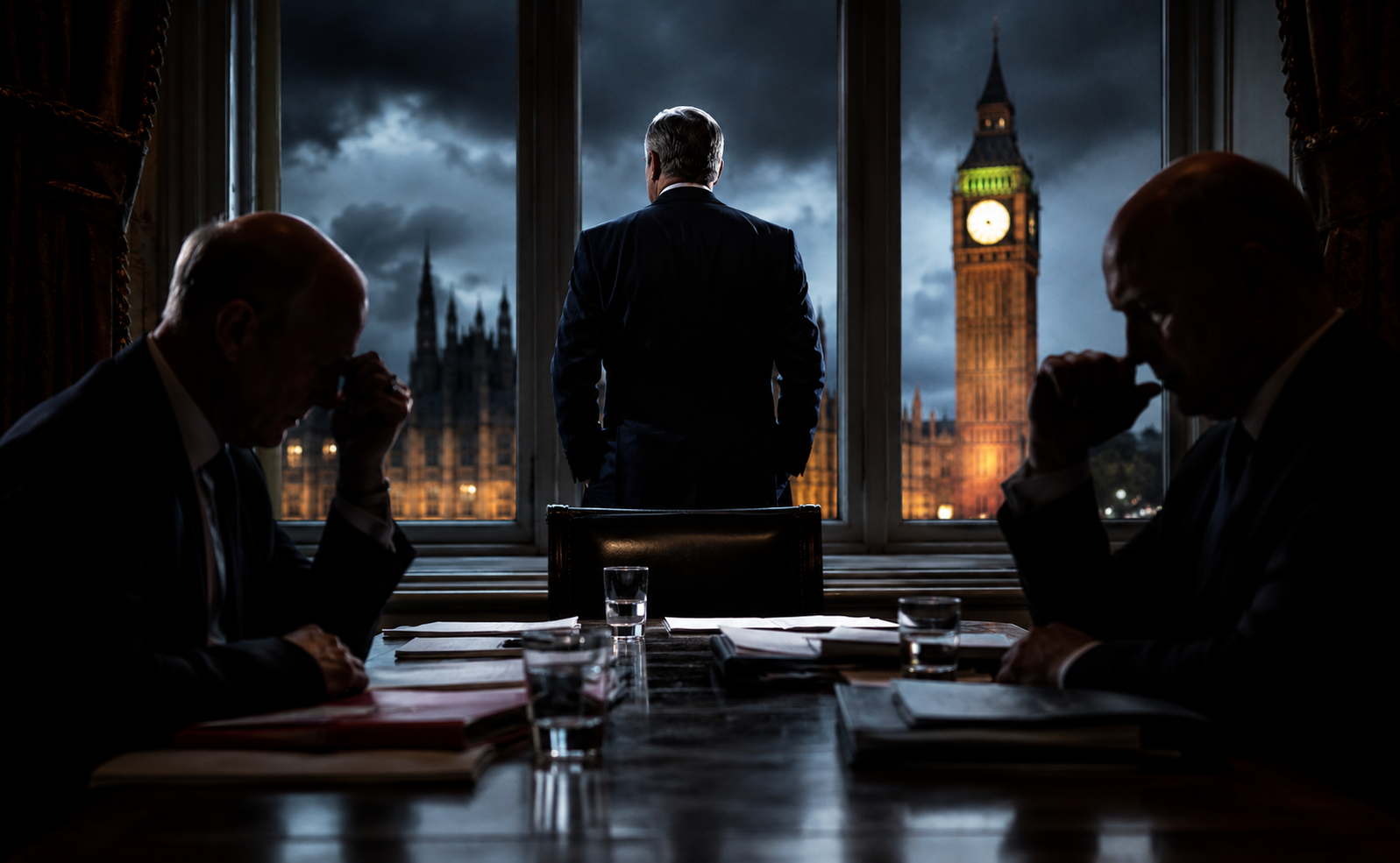
Starmer’s biggest crisis yet? Defence resignations ignite leadership panic
The Crisis Suddenly Became Much Bigger
The resignation of John Healey was not the departure of a fringe minister or a political troublemaker. Healey was one of Labour's most senior figures and one of the most respected voices on defence within government. His decision to quit over disagreements surrounding military funding immediately sent shockwaves through Westminster.
What transformed the story from a serious setback into a genuine political crisis was what happened next. Within hours, Armed Forces Minister Al Carns also resigned, publicly arguing that the government's defence plans were insufficient for the threats Britain now faces.
This Is About More Than Defence Spending
On the surface, the argument concerns money. Healey believed the proposed Defence Investment Plan failed to provide the resources required for a more dangerous world. Carns went further, arguing that the plan was focused on preparing for old conflicts rather than future ones.
But politically, this is about something much larger. Defence spending disputes happen regularly inside governments. Cabinet ministers disagree with Treasury officials all the time. What makes this episode different is that two senior figures concluded they could no longer defend the government's position from within. That creates a perception problem that can be far more damaging than the policy disagreement itself.
Why The Timing Could Not Be Worse
The resignations come at an especially difficult moment for the government.
Britain faces an increasingly unstable international environment, with continued concerns over Russia, ongoing tensions in the Middle East, growing NATO spending expectations, and pressure from allies for greater military readiness. Against that backdrop, a public revolt inside the Ministry of Defence sends an uncomfortable signal.
The timing is also politically awkward because major international meetings are approaching. Questions about Britain's military preparedness and defence commitments are now being debated publicly at precisely the moment ministers would have preferred to project unity and confidence.
The Leadership Question Is Now Impossible To Ignore
The most dangerous consequence for Keir Starmer is not the immediate loss of ministers. Governments survive resignations.
The danger is that the story has shifted from defence funding to leadership. Once political coverage begins focusing on whether a prime minister remains in control, every subsequent disagreement becomes part of the same narrative. That is why opposition parties, commentators, and some Labour figures are increasingly framing this as a test of Starmer's authority rather than a technical funding dispute.
Reports of possible future leadership manoeuvring have intensified the pressure. Carns has already fuelled speculation through comments suggesting he could have a future role in any wider leadership debate, while broader discussions around alternative Labour figures continue to circulate through Westminster.
What Happens Next Matters More Than What Happened Yesterday
Political crises rarely destroy governments overnight.
Instead, they create a series of tests. The first question is whether the government can restore stability. The second is whether MPs continue to support the leadership. The third is whether voters start to believe the government is distracted by internal conflict rather than focused on governing.
For Starmer, the appointment of Dan Jarvis as the new Defence Secretary is intended to provide immediate stability and prevent the crisis deepening further. But replacing individuals is easier than replacing confidence.
If the government can quickly settle the defence funding argument, the political damage may prove manageable. If further resignations, rebellions, or leadership speculation follow, the story could evolve into something much more serious.
The Real Risk Facing Labour
The most important lesson from political history is that authority is partly about perception.
Prime ministers often survive major controversies when colleagues remain publicly loyal. They become vulnerable when respected insiders begin openly challenging the government's direction. Healey and Carns were not opposition critics. They were central participants in shaping Labour's defence agenda. Their departures therefore carry unusual weight.
Whether this becomes a temporary political storm or the beginning of a much larger leadership crisis remains uncertain. What is clear is that the conversation in Westminster has changed dramatically over the past 24 hours. The debate is no longer simply about defence spending.
It is now about power, authority, and whether Keir Starmer can convince both his party and the country that he remains firmly in control.
