The UK Housing Crisis Just Got Worse — And Millions May Not Realise What’s Coming Next
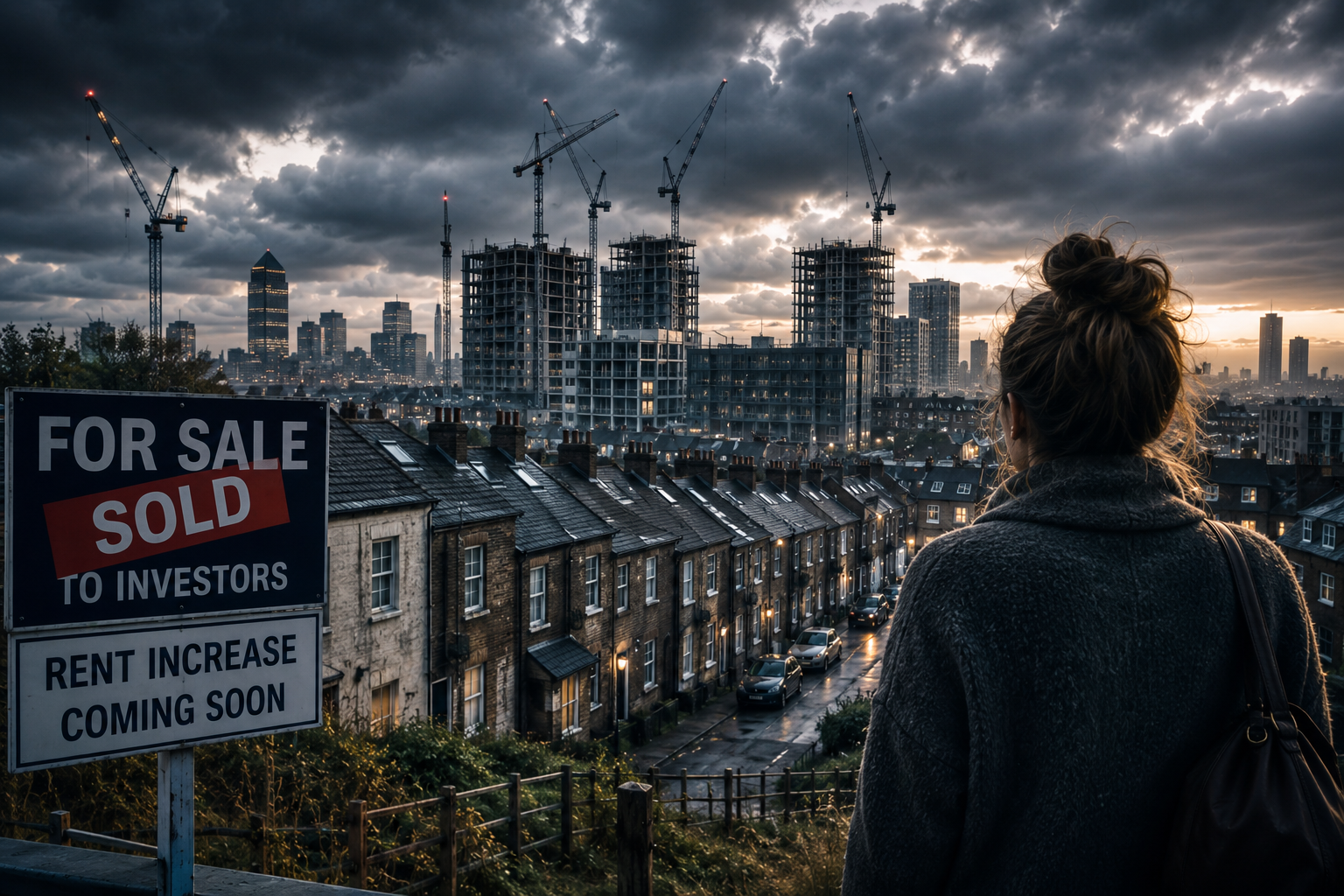
Why The UK's Housing Problem Is Bigger Than House Prices
Britain's Housing Emergency Is Entering a Dangerous New Phase
For years, Britain's housing debate has centred on affordability. House prices became detached from earnings, deposits became harder to save, and younger generations found themselves locked out of ownership.
But the latest warning signs suggest something deeper is happening. Social housing waiting lists in England now exceed 1.3 million households, while analysis published this week suggested it would take more than a century to clear those waiting lists at the current rate of social housing construction. Only around 12,000 social homes were built last year despite enormous demand.
That is not simply a housing statistic. It represents families stuck in temporary accommodation, young adults delaying independence, and households unable to move closer to work, schools or support networks.
The Supply Problem Is Getting Worse
The central issue remains brutally simple: Britain still does not build enough homes.
While governments of different political colours have promised major building programmes, the reality remains difficult. Housebuilding activity has weakened, new home registrations have fallen, and developers continue to face affordability pressures, rising costs and labour constraints.
The challenge is not merely planning permission. Even where land exists, builders face higher financing costs, more expensive materials and weaker buyer demand. The result is a housing system that struggles to produce enough supply when it is needed most.
That matters because housing shortages compound over time. Every year of underbuilding creates a larger backlog that future governments must somehow overcome.
Why Falling House Prices Do Not Solve The Crisis
At first glance, recent weakness in house prices might appear positive for buyers.
Average UK house prices have softened, with growth slowing sharply and some monthly declines appearing across the market. Mortgage approvals remain active, but affordability pressures continue to influence demand.
The problem is that cheaper houses do not automatically create affordability.
A home that costs less is still out of reach if mortgage rates remain elevated, deposits remain difficult to save, wages struggle to keep pace with living costs, or housing supply remains constrained. In many areas, affordability has improved slightly compared with the peak years of the early 2020s, but homes in England still cost around 7.6 times average earnings.
For many aspiring homeowners, the crisis has shifted rather than disappeared.
The Waiting List Time Bomb
The most alarming aspect of the current situation may be what is happening beneath the headlines.
Housing shortages do not only affect people trying to buy property. They ripple through the entire system. When fewer affordable homes are available, more households remain in private rentals. When social housing is unavailable, pressure builds elsewhere. When mobility falls, economic productivity can suffer.
The latest figures suggest temporary accommodation use has surged dramatically over the past decade, while social housing supply has failed to keep pace with demand. Some local authorities have built virtually no new social homes in recent years.
This creates a feedback loop. The fewer homes available, the harder it becomes to relieve pressure elsewhere in the system.
Britain's Housing Challenge Is Becoming Generational
Housing crises rarely explode overnight.
Instead, they accumulate quietly. A delayed house purchase. A postponed family decision. A worker unable to relocate. A young professional remaining in shared accommodation longer than planned.
Over time, these individual decisions become a national pattern.
Research continues to show that housing affordability remains significantly worse than historical norms despite some recent improvements. Meanwhile, demand for housing continues to grow as the country attempts to balance population growth, economic development and infrastructure demands.
The danger is that housing stops being viewed as a temporary challenge and becomes a permanent feature of modern life.
What Happens Next?
The government has committed billions towards social and affordable housing and remains publicly confident about long-term building targets. Plans exist to expand affordable housing supply and increase social housing delivery.
Yet the gap between ambition and delivery remains substantial.
The housing crisis is no longer a debate about whether Britain needs more homes. That argument was settled years ago. The real question is whether enough homes can be built quickly enough to prevent today's shortage becoming tomorrow's permanent reality.
That is why the latest housing warnings matter.
The crisis did not suddenly appear this week. But the newest figures suggest the pressure is still building. And if supply continues to lag behind demand, the consequences may be felt for decades rather than years.
