An Inspector Calls (J. B. Priestley) Summary
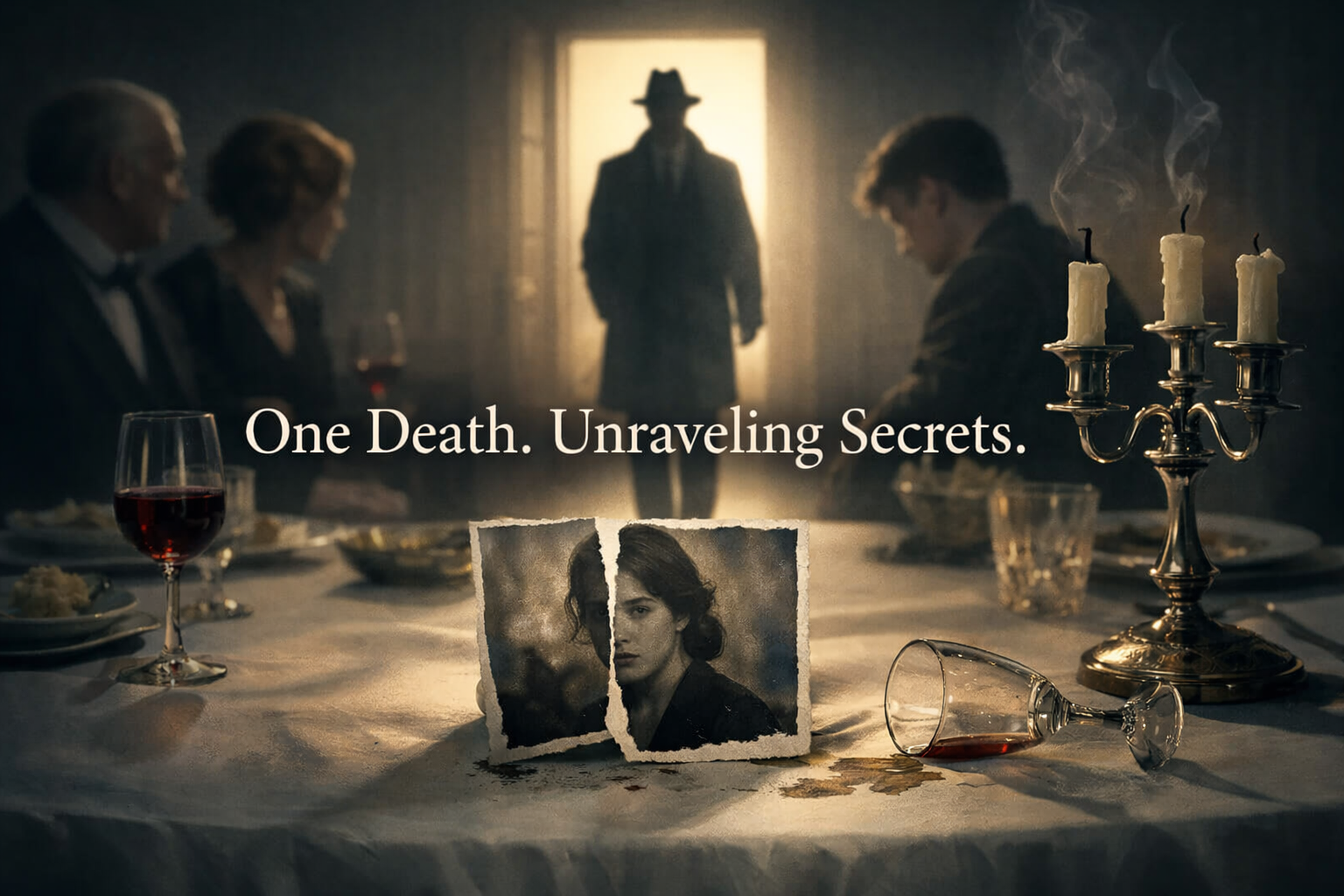
An Inspector Calls summary and analysis — full plot spoilers, key themes, and why Priestley’s moral thriller still hits hard.
One Night, One Girl, and the Lies That Collapse a House
Key Points
Inspector Goole interrupts a wealthy family's engagement dinner as he investigates a young woman's suicide.
The dead girl, Eva Smith (also known as Daisy Renton), becomes a mirror: each person in the room has used power against her at a different moment.
The play runs like a moral thriller: the Inspector reveals one link at a time, tightening the net until the family can’t hide behind manners or status.
Priestley sets it in 1912 but writes with a post-war conscience: the world the Birlings praise is already heading towards catastrophe.
The younger generation (Sheila and Eric) crack first — not because they’re saints, but because they can still feel consequences.
The older generation fights for reputation, "respectability," and plausible deniability— even when the facts are ugly.
It’s a single-room pressure cooker. The setting doesn’t change, but the meaning of everything in the room does.
The Plot Engine
A celebration creates the perfect insulation: good food, good port, and good prospects. Then a stranger arrives with one brutal fact—a young woman is dead— and the insulation fails.
The engine is simple and ruthless. Inspector Goole doesn’t hunt for clues; he hunts for accountability. He takes a single life and forces a chain reaction: job, money, desire, shame, cruelty, and the quiet violence of being turned away, again and again, by people who believe they’re decent.
What This Play Is About
The Birling family are dining to celebrate Sheila Birling’s engagement to Gerald Croft, a match that pleases Arthur Birling as much for business and status as for love. Arthur talks like the future is nailed down: prosperity is rising, conflict is overblown, and anyone can succeed if they mind their own business.
Then Edna announces a visitor. Inspector Goole arrives with news of a suicide: a young working-class woman, Eva Smith, has died after drinking disinfectant. He begins with Arthur. Arthur insists he’s never heard the name — until the Inspector shows him a photograph. Arthur admits Eva worked at his factory. When she led other workers to demand higher wages, he fired her for "keeping order."
The Inspector turns next to Sheila. Under pressure, Sheila admits she once had a shop assistant dismissed from Milwards after a moment of vanity and anger. The assistant’s name, she realises, was Eva Smith.
The room shifts. The story isn’t one tragedy. It’s a pattern: a girl trying to stay afloat, repeatedly pushed under by people who barely notice the weight of their own decisions. The Inspector introduces another name — Daisy Renton — and Gerald’s reaction gives him away. The questions keep coming. The celebration doesn’t end; it rots.
The Domino Chain (What Most Summaries Miss)
Because Arthur terminates Eva's employment to crush a wage demand, she loses steady work and becomes desperate for another foothold.
Because Sheila uses social power to punish a stranger for a bruised ego, Eva is pushed out of the “respectable” workforce again.
Because the family’s comfort depends on ignoring the people who serve them, they treat Eva as replaceable — and then act shocked when she isn’t.
Because Gerald’s world offers rescue with strings attached, Eva’s survival becomes tied to secrecy and dependency.
Because Sybil Birling believes “charity” is a test of manners and worthiness, help becomes another locked door.
Because every person passes the moral bill to someone else, the final cost lands on the one person with the least protection.
Why It Works (and What Might Not)
What It Nails
Priestley builds suspense without chase scenes or plot gymnastics. The tension comes from exposure. Each confession changes how we see what has come before— and how we judge what comes next.
The play also understands how cruelty usually operates. It isn’t always a villain twirling a moustache. It represents a complaint made at an inappropriate time. A rule applied without mercy. The decision was made "on principle" by an individual who never bears the consequences.
The Inspector is a brilliant strategy. He isn’t just a character; he’s a method. He controls the pace, isolates each person, and keeps the family from forming a united defence. The room becomes a courtroom, then a confessional, then something closer to judgement.
What Might Not Work for Everyone
Some readers find the moral message too direct, especially in the Inspector’s final warnings. Priestley isn’t subtle about what he wants the audience to feel — and that can land as “lecture” if you prefer ambiguity.
It’s also built for the stage: tight setting, talk-heavy confrontation, controlled reveals. If you want sprawling world-building or action-led storytelling, this is more scalpel than spectacle.
Key Characters (No Spoilers)
Inspector Goole — A relentless interrogator who insists that actions have consequences beyond one household.
Arthur Birling — A proud industrialist who treats business decisions as morally neutral and reputation as priceless.
Sybil Birling — Arthur’s wife, socially superior and emotionally colder, convinced that “charity” must be earned.
Sheila Birling — Their daughter, engaged to Gerald; she begins sheltered and ends sharper, more honest with herself.
Eric Birling — Sheila’s brother; uneasy, heavy-drinking, and clearly carrying something he doesn’t want named.
Gerald Croft — Sheila’s fiancé; charming, well-connected, and practiced at keeping the mess out of sight.
Eva Smith/Daisy Renton—the absent centre of the story: a working-class woman whose life is described through others’ choices.
Themes and Ideas
Responsibility doesn’t stay private. The Birlings treat their actions as separate, individual episodes. The Inspector forces a different view: separate decisions can create one outcome.
Class acts as a weapon, even though it may not appear to be one. No one has to punch Eva to destroy her. A boss’s dismissal, a customer’s complaint, a committee’s refusal — all are socially “acceptable” ways to do harm.
Reputation clashes with reality. Arthur and Sybil fear scandal more than guilt. The play repeatedly poses the same question in various forms: how do you respond when the truth jeopardises your image?
The younger generation as a fault-line. The truth has the power to transform Sheila and Eric, despite their innocence. The older generation attempts to regain control of the evening.
Time and repetition. The structure feels cyclical: it’s not just what happened, but what will keep happening if the lesson isn’t learned.
Full Plot Summary
SPOILER WARNING: The section below reveals the full story, including major twists and the ending.
Arthur Birling hosts a celebratory dinner for Sheila’s engagement to Gerald Croft. He delivers confident speeches about prosperity, business, and individualism, brushing off talk of war or disaster as hysteria. The family is relaxed, pleased with itself.
Inspector Goole arrives and announces that Eva Smith has died by suicide after drinking disinfectant. He insists on questioning the family because their actions formed part of the chain that led to her death.
Arthur admits Eva worked for him. Two years earlier, she was a successful worker, but she led a group demanding better pay. Arthur fired her to stop “trouble”. He feels justified and refuses remorse.
Sheila is then confronted with her part. She recognises the girl in the photo. Sheila felt slighted and jealous after Eva served her at Milwards. In a fury, she complained and threatened to take her business elsewhere unless the assistant was dismissed. Eva was fired again. Sheila is shaken and begins to understand what power looks like when it’s used casually.
The Inspector introduces the name Daisy Renton. Gerald reacts instantly, and Sheila realises Gerald is connected to this “other” version of the girl. Under pressure, Gerald admits he met Daisy after she was thrown out of a situation at a bar. He felt sorry for her, arranged rooms for her to stay in, and gave her money. Over time she became his mistress. Gerald insists there was genuine affection, but he eventually ended the relationship. Sheila breaks the engagement — not as revenge, but because she can’t pretend she’s still living in the same naive world.
Sybil Birling tries to take control, confident that she has nothing to hide. The Inspector reveals that Eva—now pregnant and desperate—appealed to Sybil’s charity organisation. Sybil refused to help her, judging her story, her attitude, and her “type”. Eva even used the name “Mrs Birling”, which Sybil took as insolence. Sybil doubled down, insisting the father of the child should be held responsible and punished.
That insistence becomes a trap. The Inspector waits, then forces the truth into the open: the father is Eric Birling.
Eric admits he met Eva at the Palace bar. He was drunk, and the first encounter turns coercive and ugly; he later sees her again, sleeps with her again, and she becomes pregnant. Panicked but not indifferent, Eric tries to give her money. When she refuses to take more, it’s because she suspects the money isn’t truly his. Eric admits he stole from his father’s business to fund her.
The family collapses into blame and self-defence. Arthur and Sybil rage about scandal and money. Sheila and Eric rage about morality and consequence. The Inspector stops the chaos and delivers his final warning: people are tied together; if they refuse that truth, suffering will teach it.
The Inspector leaves. Almost immediately, the household searches for an escape hatch. Gerald returns after investigating and claims there is no Inspector Goole on the force. They ring the infirmary and are told no young woman has died by suicide that day.
Arthur and Sybil seize on the announcement as proof that the night was a hoax — a trick designed to frighten them into confession. Gerald begins to hope the engagement can resume. But Sheila refuses the comfort. Even if the Inspector wasn’t “real”, their actions were. The way they treated Eva was still true.
Then the telephone rings again. The police report that a young woman has just died on her way to the infirmary after swallowing disinfectant — and a police inspector is now on his way to question the family.
The curtain falls on their faces as the reckoning returns, no longer avoidable.
The Point of No Return
The moment Sybil demands the unborn child’s father be exposed and punished is the moment the night becomes irreversible. She thinks she’s sentencing a stranger. In fact, she’s calling down judgement on her own son — and proving, in real time, how cruelty survives by believing it happens only elsewhere.
The Domino Chain (Cause → Effect)
Because Arthur fires Eva for demanding fairer pay, she loses security and becomes vulnerable.
Because Sheila weaponises her status at Milwards, Eva is stripped of “respectable” work again.
Because Eva drifts into precarity, she becomes easy to exploit and harder to protect.
Because Gerald rescues Daisy but keeps the relationship unequal, she gains temporary stability but remains dependent.
Because Gerald ends the affair, Eva is pushed back into uncertainty with fewer options.
Because Eric uses her need and his drunken power, Eva is left pregnant and cornered.
Because Eric funds her with stolen money, Eva refuses further help and is forced to go to charity.
Because Sybil refuses assistance and pushes responsibility onto “the father”, Eva loses the last official door available to her.
Because shame, hunger, and isolation close in, Eva ends her life.
Because the family tries to treat the Inspector as the only problem, the final phone call proves the consequences were real all along.
Who Should Read This
If you prefer stories where the tension stems from truth rather than chase scenes, this will resonate strongly with you. It’s ideal if you enjoy single-setting dramas that tighten like a vice, and if you’re interested in how class and power operate through “polite” decisions.
If you prefer your themes buried deep, or you dislike direct moral argument, you may find the play’s message more confrontational than comfortable.
If You Liked This, Try
A Christmas Carol — Charles Dickens — A moral reckoning that turns private comfort into public responsibility.
Blood Brothers — Willy Russell — Class, fate, and the way society writes tragedies before people realise it.
A View from the Bridge — Arthur Miller — Community judgement, obsession, and the cost of moral blindness.
The Crucible — Arthur Miller — Public accusation as a weapon; guilt, fear, and reputations on trial.
A Doll’s House — Henrik Ibsen — Respectability, control, and the moment a domestic “truth” detonates.
Major Barbara — George Bernard Shaw — Money, morality, and hypocrisy dressed up as principle.
Hard Times — Charles Dickens — Industrial capitalism and the human cost of treating people as units.
The Cherry Orchard — Anton Chekhov — Class transition, denial, and a world changing under people’s feet.
Death of a Salesman — Arthur Miller — Status dreams collapsing into consequence and regret.
Hobson’s Choice — Harold Brighouse — Class, business, and marriage as leverage in a supposedly respectable world.
The Final Word
An Inspector Calls turns a comfortable dining room into a crime scene without ever showing the crime. The horror isn’t a knife in the dark; it’s a series of “reasonable” choices that become fatal when stacked together. By the time the phone rings at the end, the play has made its point with brutal clarity: you can argue your innocence all night—but you can’t argue away your impact.
