Two Rival Students Walk Into Hell to Bring Back Their Professor
R. F. Kuang's Katabasis takes the oldest graduate-school joke, that you would follow your supervisor to hell for a good reference, and makes it literal. Alice Law is a gifted postgraduate in Analytic Magick at Cambridge, a discipline that blends magic with logic, mathematics and philosophy. Her supervisor, the celebrated and feared Professor Jacob Grimes, has just been killed in a magical accident. Without him, her career is over. So she sets out to descend into the underworld and bring his soul back, only to find that her academic rival, Peter Murdoch, has had the same idea. Published in August 2025, the novel became one of the year's most talked-about fantasy bestsellers. This guide follows the journey in order and explains what its ending means.
Spoiler warning: the following summary discusses the plot, major twists and ending. The novel deals with abuse in academia, suicide and violence, and this guide refers to those subjects without graphic detail.
The Accident That Starts Everything
The novel is set in the 1980s, in a world much like ours except that magic is real and studied in universities. Grimes is the most famous magician of his age, a man whose name opens every door. Alice has staked everything on being his student.
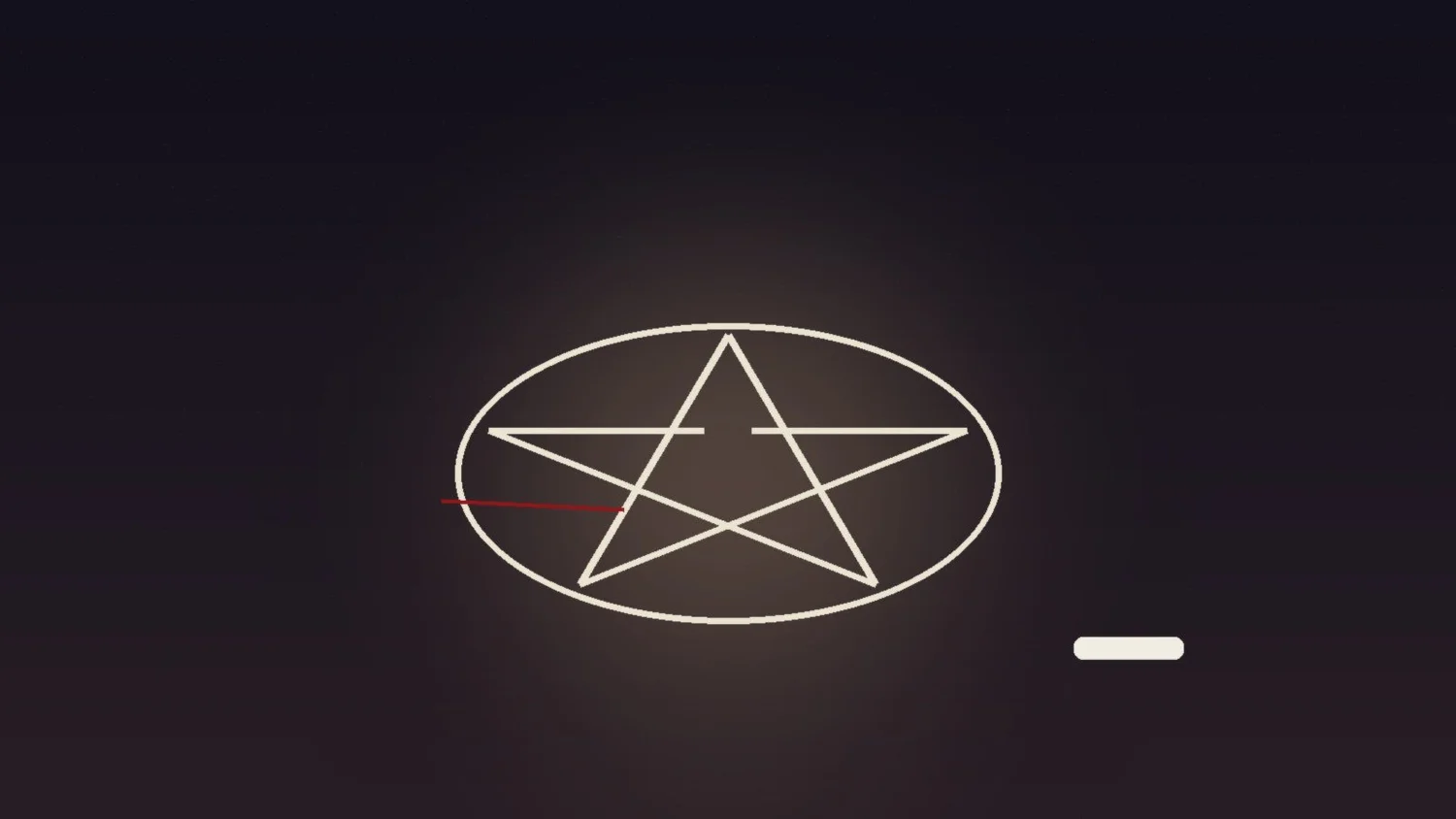
Grimes dies when a pentagram fails during one of his experiments. Alice knows something the rest of the department does not: the failure traces back to a chalk mistake she did not catch. She blames herself, but her guilt is tangled up with a more practical fear. She needs Grimes's recommendation to have any future in the field.
Using forbidden research into Tartarology, the study of the underworld, Alice works out how to open a way into hell. The descent will cost her years of her own life. She decides it is worth it.
Peter Murdoch
Peter is everything Alice resents. He seems to glide through doors she has had to break down, his brilliance treated as genius where hers is treated as effort. He has also worked with Grimes, and he insists on coming with her. The two set off together, neither trusting the other.
Hell Looks Like a University
The first surprise is that hell takes the shape its visitors expect. For two exhausted academics, it looks like a campus: libraries, lecture halls and endless corridors. The underworld is organised into courts named after sins, and the pair must pass through them to reach the judgement seat of Lord Yama, where Grimes's soul is waiting.
In the Fields of Asphodel they meet the shades of undergraduates who died in an accident under Grimes's supervision. It is the first hint that the man they are trying to rescue left a trail of damaged students behind him.
The Courts of Pride and Desire
The Court of Pride is an infinite library where the dead spend eternity trying to define what is good. A shade who guides them turns hostile when they try to leave, and they have to trick their way out. The Court of Desire is a decaying student building full of endless, joyless indulgence. Here Alice begins to have flashbacks to her own experiences with Grimes, memories she has spent years refusing to look at.
The rules of magic below
The pair also learn that their magic does not work the same way in hell. Chalk is useless; pentagrams must be drawn in blood. At the River Lethe, whose waters erase memory, Alice is tempted to drink and forget everything. She refuses.
The Hunters in the Dark
Hell is not empty of the living. After the Court of Desire, Alice and Peter are attacked by creatures made of bone and chalk, and they learn who is responsible: the Kripkes, a family of American magicians who once came to hell themselves. To get there, they killed themselves and their son. Since then they have been drinking from the Lethe, losing their humanity piece by piece, and hunting any living magicians who enter the underworld, because living blood is what powers their spells.
Their aim is to find a Dialetheia, a true contradiction, which they believe they can trade with Yama for their lives.
Elspeth and the Weaver Girl
Alice and Peter are rescued by Elspeth, a shade who was once Grimes's student and who took her own life. She now lives on the River Lethe and knows its dangers. Through her, Alice sees more clearly what Grimes did to those who worked for him, and she recognises herself in Elspeth more than she is willing to admit.
The betrayal
At a bridge guarded by the Weaver Girl, a celestial figure from Chinese myth, the two students face a test of loyalty that works like the prisoner's dilemma. Each must decide whether to trust the other. Overwhelmed by fear and memory, Alice chooses herself and abandons Peter. The test shows her exactly who she has become under Grimes's tutelage.
Peter survives, but trust between them is badly damaged. Alice has also found notes in Peter's notebook on an organic exchange spell, a way of trading one soul for another, and she fears he plans to use it on her to bring Grimes back.
What Alice Has Been Hiding
As the journey grows more dangerous, Alice finally admits the truth about Grimes. Her supervisor was abusive, exploiting his power over her career and punishing her when she would not give him what he wanted. Her exhaustion and despair in the months before his death are what led to the mistake that killed him. Her real plan was not simply to bring him back but to bind his soul to his remains and control him.
Peter, too, has his own history with Grimes, one of exploitation and stolen work. The two rivals discover that they were never really competing with each other. They were both trying to survive the same man.
Alice Alone
Peter has a way of escaping the Kripkes, but it can save only one person. He uses it on Alice. She refuses to leave him and hides when the Kripkes arrive, and Peter is lost to them.
Alone in the lower courts, Alice wanders through Dis, where the dead write dissertations about their own crimes in the hope of being reborn, and through a citadel where shades stand so still that they turn into trees or throw themselves into the Lethe. She is hunted by a leopard, caught in a trap and very nearly destroyed.
The transformation
Instead, she changes. Alice makes weapons and armour from the bones of the leopard, snorts magical chalk to sharpen her senses and turns from prey into hunter. She sets traps for the Kripkes and turns the binding spell she had prepared for Grimes against them. The family that had been feeding on living magicians is destroyed, their souls trapped and their memories dissolved.
Before the Throne of Yama
Elspeth returns to Alice. She has found the Dialetheia, but she has decided to move on and be reborn, so she gives it to Alice. Together they travel to Yama's court.
There, Alice finally meets Grimes's shade. He has no regret about anything, including Peter's death. He sees Alice only as a tool, someone who might stay and serve his research forever. Looking at him in the court of the dead, Alice sees him for the first time as he is: not a god of scholarship but a petty, ordinary man.
How Katabasis Ends
Alice uses the organic exchange spell from Peter's notebook, the spell she once feared he would use on her. She trades Grimes's soul for Peter's. Grimes remains in hell. Peter returns.
Alice then offers Yama the Dialetheia in exchange for their return to the living. Yama accepts. Alice and Peter climb out of the underworld together, and on the way Alice thinks not about her career but about small, ordinary pleasures. For the first time she feels free of the expectations of academia, and she can imagine a future with Peter.
The Ending Explained
Why Alice leaves Grimes behind
The quest that starts the novel is a quest to save Grimes. The ending reverses it. Alice came to hell believing she needed his approval to have a life. By the end she understands that his approval was the trap. Trading him for Peter is both justice and liberation: the man who treated students as disposable is left with the dead, and the person he exploited alongside her comes home.
Why the exchange spell matters
The organic exchange spell is the clearest symbol of how Alice has changed. When she first found it, she assumed Peter meant to sacrifice her for Grimes, because that is the logic Grimes taught them: people are resources to be traded. In the end she uses the same spell to choose a person over a reputation. The magic is unchanged; what she values is not.
Alice and Elspeth
Elspeth is a warning of what Alice might have become. She was another of Grimes's students who could not escape the system he built, and her death is a consequence of it. Elspeth's final act, giving away the Dialetheia and choosing rebirth, gives Alice the means to do what Elspeth could not: leave.
The meaning of the title
A katabasis is a descent to the underworld, the journey made by Orpheus, Aeneas and Dante. Traditionally the hero goes down to bring something back. Kuang's twist is that the thing Alice returns with is not her supervisor but herself.
What Katabasis Is Really About
Beneath the logic puzzles and mythological set pieces, Katabasis is a satire of academia, and of the hierarchies that persuade bright people to endure abuse in exchange for prestige. Hell looks like a university because, for Alice, the university already was one. Critics have been divided on the novel's dense digressions into logic and philosophy, but most agree that its portrait of ambition as a kind of self-damnation is sharp and, at times, painfully recognisable.
Final Thoughts
Alice goes to hell to save her career and comes back having lost it, along with the illusions that kept her bound to Grimes. The novel's quietest moment, her thoughts of ordinary pleasures on the climb out, is its real victory. The rescue that matters is the one she performs on herself.
Sources
- Publishers Weekly: Katabasis review
- NPR: Katabasis review
- SuperSummary: Katabasis plot summary
- URSummary: Katabasis summary
- The Spectator: Hell is other academics
