Book Summaries & In-Depth Analysis
Explore the key ideas, arguments and themes behind fiction and nonfiction books. These summaries and analyses help you understand a book’s central message, consider its strengths and limitations, and connect its ideas with wider questions. Browse individual titles and comparisons covering subjects such as psychology, productivity, philosophy and society.

To Kill a Mockingbird – Summary and Analysis
To Kill a Mockingbird – Summary and Analysis
A young girl watches her father stand alone against a town’s anger. A Black man sits in a courtroom, fighting for his life against false charges. These scenes could be headlines today as much as they are pages from a classic novel. Harper Lee’s To Kill a Mockingbird, though set in the 1930s, feels fiercely relevant in our modern era. At a time when society is still grappling with racial injustice and even debating the teaching of this very book in schools, To Kill a Mockingbird stands as a powerful reflection of conscience and compassion.
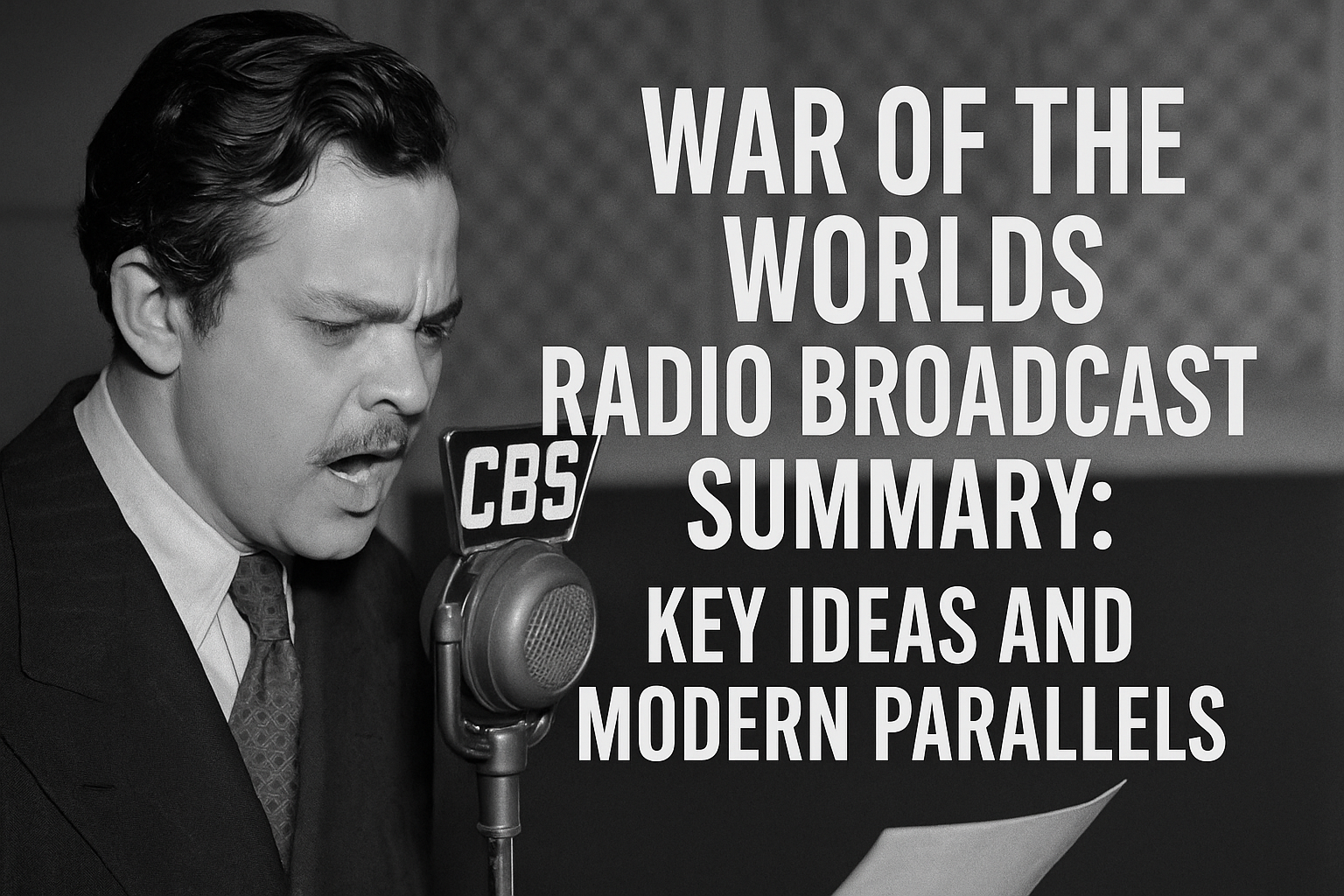
War of the Worlds Radio Broadcast Summary: Key Ideas and Modern-Day Parallels
War of the Worlds Radio Broadcast Summary: Key Ideas and Modern-Day Parallels
On the night of October 30, 1938, American radio listeners tuned in for a bit of weekend entertainment. Many landed on a program called The Mercury Theatre on the Air, directed by a young Orson Welles. What they heard sounded less like a play and more like live breaking news. A calm announcer described strange explosions on Mars. Then came “bulletins” about a meteor landing in New Jersey. Soon the reports turned into a full‑scale Martian invasion of the United States.
The 48 Laws of Power – Summary and Real-Life Power Tactics
The 48 Laws of Power – Summary and Real-Life Power Tactics
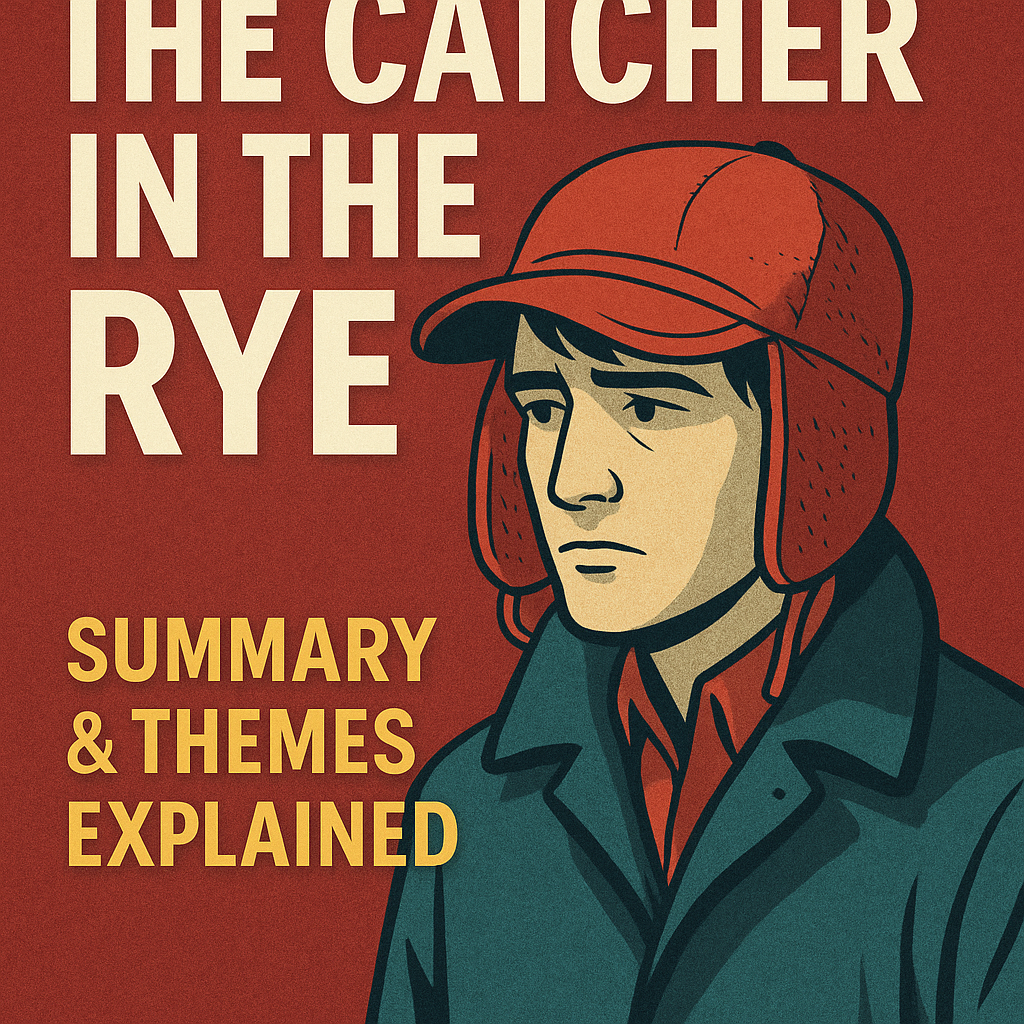
The Catcher in the Rye Summary – Holden Caulfield’s Journey and Themes Explained
The Catcher in the Rye Summary – Holden Caulfield’s Journey and Themes Explained