A New U.S. Tariff Wave Is Coming — And Supply Chains Are Not Ready
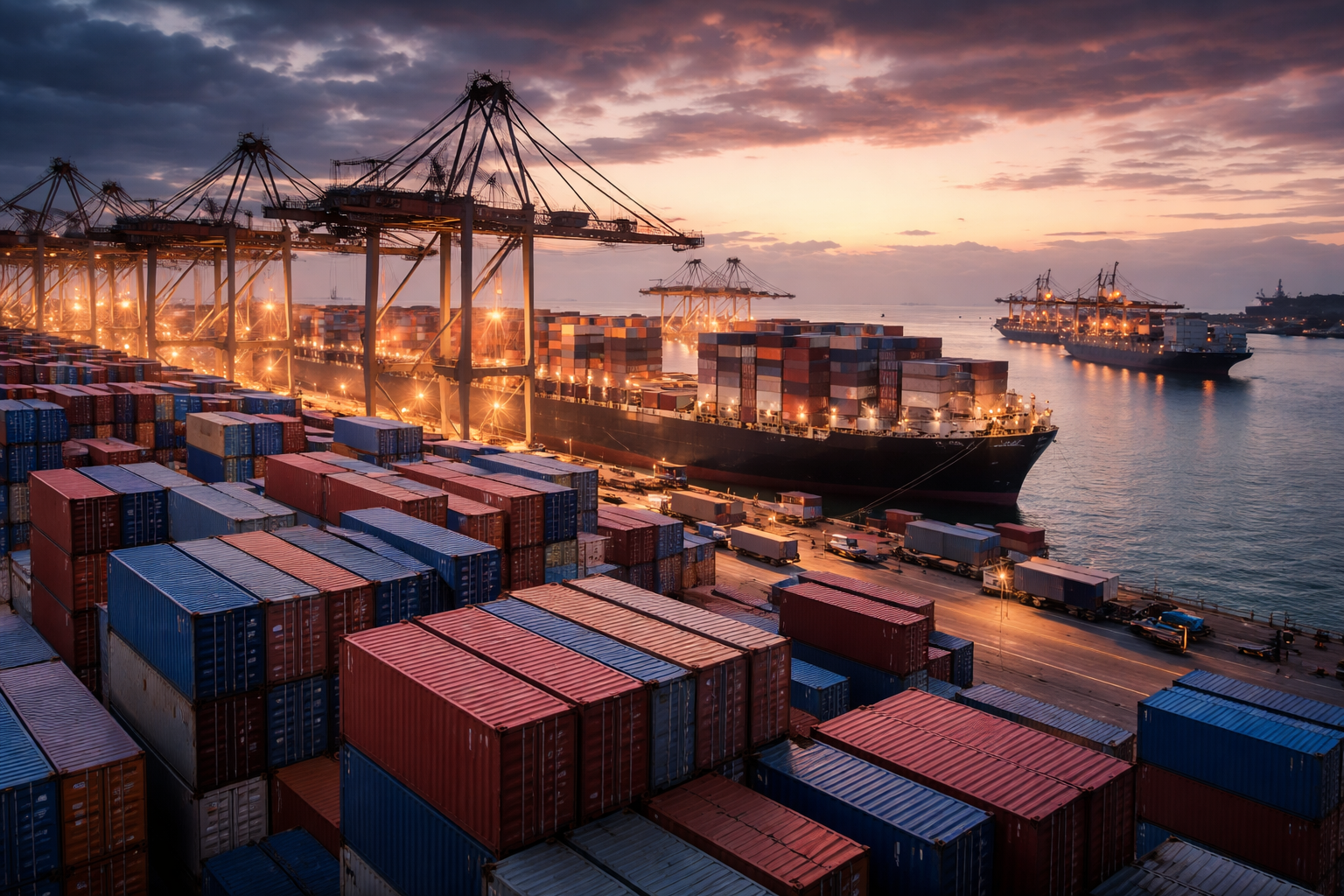
Prices, supply chains, and trade alliances could all shift almost overnight.
A New 15% Global US Tariff Could Hit This Week—The Trade Shock Businesses May Be Underestimating
A new universal U.S. tariff of roughly 15% on many imports could take effect within days, marking one of the most sweeping trade moves in years. As of March 4, 2026, senior officials say the policy is expected to begin rolling out this week, replacing a lower temporary tariff introduced earlier in the year.
The measure would raise the baseline tariff on many imported goods from 10% to 15%, potentially affecting supply chains across Europe, Asia, and North America.
On the surface, it looks like a familiar trade-policy escalation: higher import taxes designed to protect domestic industry and pressure trading partners. But there is a deeper structural constraint in the background that may shape how long the tariffs actually survive.
The story turns on whether the administration can keep the tariff legally and politically in place long enough for it to reshape global supply chains.
Key Points
The U.S. government is expected to introduce a new global tariff rate of around 15% on many imports, replacing a temporary 10% tariff.
The policy follows a legal setback in U.S. courts that struck down earlier emergency tariffs, forcing the administration to redesign its approach.
The tariff could affect global supply chains, consumer prices, and manufacturing strategies across multiple industries.
Some countries may face tariffs at or above 15%, depending on trade investigations and negotiations.
Businesses and markets are now trying to determine whether the tariff is a temporary negotiating tool or a lasting shift in global trade policy.
Tariffs are taxes imposed on imported goods.
Governments typically use them to protect domestic industries, retaliate against trade practices they consider unfair, or force negotiations with trading partners.
Over the past two years, U.S. trade policy has moved sharply toward broader tariffs. The administration introduced a baseline 10% global tariff on many imports as part of a wider effort to reduce trade deficits and pressure foreign markets.
However, a court challenged the legal framework used to implement some of these tariffs. In February 2026, the U.S. Supreme Court ruled that a key emergency powers law could not be used to impose tariffs, forcing the government to revise its strategy.
The result is the policy is now expected to arrive this week: a new 15% tariff baseline designed to maintain leverage in trade negotiations while complying with legal constraints.
For companies that rely on global supply chains—from electronics to food imports—the shift could change costs almost overnight.
Economic and Market Impact
A universal tariff at this scale acts like a tax on global supply chains.
Importers pay the tariff when goods enter the country. In practice, the cost often spreads across the entire chain:
importers absorb some of the cost
retailers raise prices
suppliers renegotiate contracts
Even a five-percentage-point jump—from 10% to 15%—can significantly change profit margins in industries that operate on thin spreads.
Manufacturers with complex international supply networks may face a difficult choice: absorb higher costs, raise prices, or shift production.
Several plausible scenarios now emerge:
Scenario 1: Price pass-through
Retailers and manufacturers pass much of the tariff cost to consumers.
Signposts:
rapid price adjustments in imported goods
retailer earnings calls referencing tariff costs
Scenario 2: Supply chain relocation
Companies accelerate moves toward domestic or “friend-shored” manufacturing.
Signposts:
new factory investment announcements
logistics shifts away from tariff-exposed suppliers
Scenario 3: Negotiated exemptions
Trading partners negotiate exemptions or special tariff rates.
Signposts:
bilateral trade talks intensify
sector-specific tariff carve-outs appear
Political and Geopolitical Dimensions
Trade tariffs usually become political tools. They quickly become geopolitical leverage.
Allies and rivals alike may respond in several ways:
retaliatory tariffs on U.S. exports
new regional trade agreements excluding the United States
pressure through diplomatic channels
Even allies have expressed frustration with the sweeping nature of recent tariffs. Some have paused trade negotiations while waiting for clarity on the policy’s scope.
The tariffs also arrive during a moment of global uncertainty, with conflicts and supply disruptions already pushing markets toward volatility.
Technological and Security Implications
Technology supply chains are particularly sensitive to tariffs.
Modern products—from smartphones to agricultural machinery—often rely on components manufactured across multiple countries. A universal tariff raises costs at every border crossing.
This creates incentives for companies to simplify supply chains, reduce cross-border component flows, and localize production.
Over time, that could accelerate the broader trend toward regionalized manufacturing ecosystems rather than fully global supply networks.
What Most Coverage Misses
The overlooked hinge in this story is not the tariff rate itself.
It is the legal time limit built into the new policy framework.
After courts struck down earlier tariffs imposed under emergency powers, the administration moved to a different legal route that may require congressional approval if taxes remain in place beyond a limited period.
That means the 15% tariff could function as a temporary shock tool rather than a permanent economic regime.
For businesses, the situation creates a strategic dilemma.
If the tariff lasts only months, companies may simply absorb the costs and wait it out. But if it survives political and legal challenges, supply chains may start shifting permanently.
In other words, the most important question is not the tariff level.
It is how long the policy survives.
Why This Matters
In the short term, the immediate effects are uncertainty and volatility.
Within the next few days and weeks:
companies may delay shipments while assessing tariff exposure
retailers could adjust pricing strategies
markets may react to trade policy signals
In the longer term, the stakes are larger.
If sustained, a universal tariff would push global trade toward:
more regional supply chains
higher consumer prices in tariff-exposed sectors
new geopolitical trade alliances
The next signals to watch include
formal tariff implementation details from U.S. trade authorities
retaliatory measures from major trading partners
congressional responses to the tariff framework
Real-World Impact
A small electronics importer that sources components from Asia suddenly sees its costs jump 5% overnight. Margins disappear unless retail prices rise.
A U.S. food distributor importing specialty ingredients from Europe faces a decision: renegotiate supplier contracts or find domestic substitutes.
A global manufacturer re-evaluates whether assembling products in the United States still makes financial sense.
For businesses operating across borders, tariffs rarely stay abstract policy. They show up directly in invoices, contracts, and hiring decisions.
The Next Phase of the Global Trade Reset
Trade policy often moves in cycles. Waves of protectionism follow periods of open global markets.
The proposed 15% tariff could mark the beginning of another such shift.
If it holds, it will reshape supply chains, trade negotiations, and investment decisions across the global economy.
If it fails politically or legally, it may instead become a temporary shock that briefly rattles markets before fading.
Either way, the coming weeks will reveal whether the world is entering a new era of tariffs—or merely passing through another phase of trade brinkmanship.
The answer will determine the organization of global commerce for years to come.
