America’s Emergency Oil Reserve Explained: History, Power, and Whether It Could Be Used in the Iran Crisis
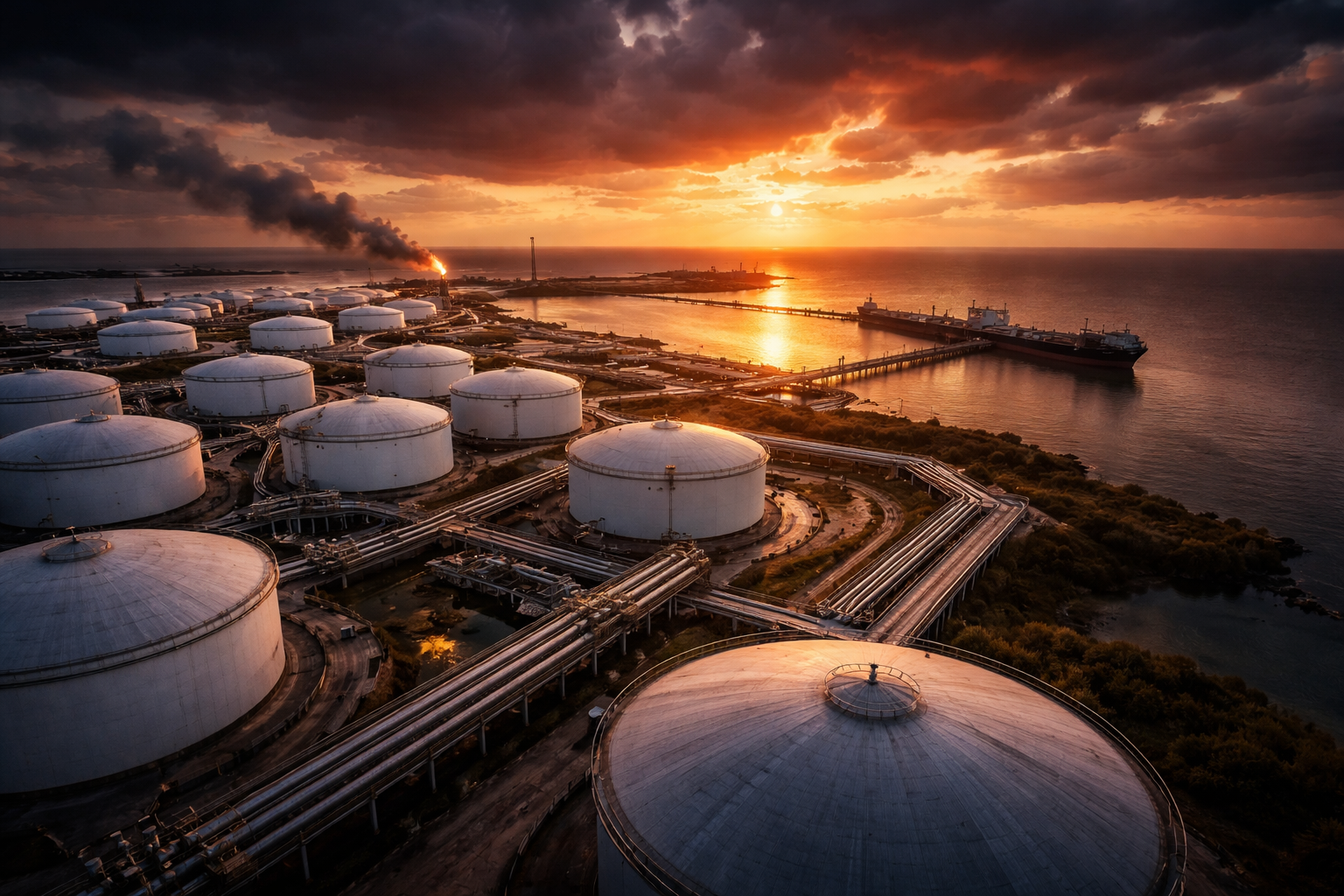
The Emergency Oil Stockpile That Could Calm the Iran Crisis
The Hidden Oil Weapon: Inside America’s Strategic Petroleum Reserve
Oil markets have surged past $100 per barrel as conflict involving Iran escalates and the possibility of disrupted shipments through the Strait of Hormuz rattles global energy markets.
In moments like these, attention quickly turns to one of Washington’s most powerful but rarely understood economic weapons: the U.S. Strategic Petroleum Reserve (SPR).
It is the largest emergency oil stockpile on Earth, designed specifically for moments when geopolitics threatens the global energy system.
However, the reserve is not just a massive oil tank awaiting activation. Its origins, design, and real-world limits mean that releasing it during a crisis—like a Middle East conflict—comes with strategic trade-offs, such as the potential for short-term market stabilization versus long-term impacts on supply and demand dynamics.
The story turns on whether the SPR can calm markets faster than geopolitical shocks can push prices higher.
Key Points
The Strategic Petroleum Reserve (SPR) is the world’s largest emergency oil stockpile, created after the 1970s oil crisis to shield the U.S. economy from supply disruptions.
Oil is stored deep underground in salt caverns in Texas and Louisiana, close to refineries and shipping infrastructure.
The reserve has a maximum capacity of about 714 million barrels, though current levels are lower after recent releases.
Presidents can order a release during severe supply disruptions, including wars, disasters, or geopolitical crises.
The SPR, or Strategic Petroleum Reserve, has been used several times, including during the 1991 Gulf War, the 2011 Libya crisis, and the 2022 Ukraine war energy shock.
With oil prices rising sharply due to the Iran conflict, policymakers are again debating whether to deploy it.
Where the Strategic Petroleum Reserve Came From
The SPR, or Strategic Petroleum Reserve, is a direct product of the 1973–1974 oil embargo, when Arab oil exporters cut shipments to the United States and other Western countries during the Arab-Israeli war.
The shock was enormous. Fuel shortages spread across the U.S., inflation surged, and gasoline lines became a symbol of economic vulnerability.
Washington’s answer was structural.
In 1975, Congress passed the Energy Policy and Conservation Act, directing the federal government to create a national emergency oil stockpile capable of cushioning future supply shocks.
The reserve began filling in 1977 and gradually grew into the largest publicly known strategic oil reserve in the world.
Its mission was simple:
Protect the economy if global oil supplies suddenly collapse.
Inside the World’s Largest Oil Stockpile
Unlike typical storage tanks, the SPR (Strategic Petroleum Reserve) is hidden underground. It is stored in giant caverns carved into natural salt domes along the U.S. Gulf Coast, primarily in Texas and Louisiana.
Oil is stored in giant caverns carved into natural salt domes along the U.S. Gulf Coast, primarily in Texas and Louisiana.
Salt caverns have several advantages:
They are naturally sealed and resistant to leaks
They maintain stable temperatures
They are relatively inexpensive to maintain
Each cavern can hold millions of barrels of crude oil hundreds of meters underground.
In total, the network contains dozens of caverns across four major storage sites, connected to pipelines, shipping terminals, and refineries.
This design means oil can move quickly into the U.S. supply chain when needed.
But “quickly” in oil markets does not mean instantly.
When the U.S. Has Used the Reserve Before
Although the SPR exists for emergencies, it has been used relatively sparingly.
Major drawdowns usually occur during wars or major supply disruptions.
Notable examples include:
1991 Gulf War
The U.S. released nearly 21 million barrels when Iraq invaded Kuwait and oil markets panicked.
2011 Libyan Civil War
A coordinated release with international partners stabilized markets after Libyan exports collapsed, which was crucial in preventing further price spikes and ensuring a steady supply of oil during the conflict.
2022 Russia-Ukraine War
A record 180 million barrels were released to counter soaring energy prices after Russia’s invasion disrupted global supply.
These releases demonstrate the reserve’s real purpose:
not to replace global oil production, but to calm markets during panic-driven spikes.
Why the Current Iran Conflict Raises the Stakes
Fears about the Strait of Hormuz, the narrow waterway between Iran and Oman, are driving the latest surge in oil prices.
Roughly one-fifth of the world’s oil shipments pass through it.
If conflict disrupts that route, global supply could drop dramatically.
That is why policymakers are now discussing a coordinated release of emergency reserves among G7 countries.
The idea is straightforward:
Inject extra supply into the market to offset the perceived shortage.
Even the possibility of such a move can calm traders and reduce speculative price spikes, thereby stabilizing market prices and ensuring a more balanced supply-demand dynamic.
What Most Coverage Misses
The Strategic Petroleum Reserve is often portrayed as a massive emergency tap that can instantly flood markets with oil.
In reality, the physical release rate is limited.
Even if the president ordered a full drawdown, the Strategic Petroleum Reserve (SPR) system can only release about 4.4 million barrels per day due to pipeline and infrastructure constraints.
That matters because global oil consumption is roughly 100 million barrels per day.
In other words, the SPR cannot replace lost global production.
Its real power is psychological and financial.
When governments release oil from reserves, markets interpret it as a signal that authorities will prevent shortages and stabilize prices, which can reduce panic buying and speculative trading.
The reserve works as much through market expectations as through physical supply.
Who Gains and Who Loses From a Release
Releasing oil from the SPR changes the balance between several groups.
Consumers
Lower fuel prices are the most visible benefit. Past releases have reduced gasoline prices by several cents per gallon in the short term.
Oil producers
High prices benefit producers. Strategic releases can temporarily suppress those gains.
Governments
A release can help curb inflation and political pressure when energy prices spike, particularly by providing immediate relief to consumers and stabilizing market prices during periods of volatility.
Energy security planners
Every barrel released today reduces the cushion available for a future crisis, such as a sudden increase in energy demand or geopolitical tensions that disrupt supply.
That last point is why decisions to use the reserve are often controversial, as they can lead to debates about balancing immediate energy needs against long-term security and preparedness for future crises.
The Strategic Choice Facing Washington
As of early March 2026, the U.S. still holds hundreds of millions of barrels in the reserve, though the stockpile is below its historic peak.
Officials have not confirmed a release yet, even as lawmakers and international partners debate the option.
The decision is not purely economic.
It is also strategic.
Using the reserve can stabilize markets—but it also signals that governments expect the crisis to be serious enough to require intervention.
The Next Signals to Watch
Several indicators will reveal whether the United States or its allies will deploy emergency oil reserves.
The first is the duration of disruptions in the Strait of Hormuz.
If shipping resumes quickly, prices may stabilize without intervention.
The second is global coordination.
Past major releases were often done through the International Energy Agency, amplifying their impact by ensuring that member countries coordinated their oil supply strategies to effectively manage market fluctuations.
The third is price thresholds.
If oil prices climb toward levels that threaten economic growth or inflation, pressure for a release will intensify.
The Strategic Petroleum Reserve was built after the last great oil shock half a century ago.
Whether it is used again may depend on how far the current conflict pushes the global energy system toward another one, as well as the potential impact on oil prices and the overall economy.
