“Don’t Play Us”: Vice President JD Vance Issues Stark Warning Before Iran Talks
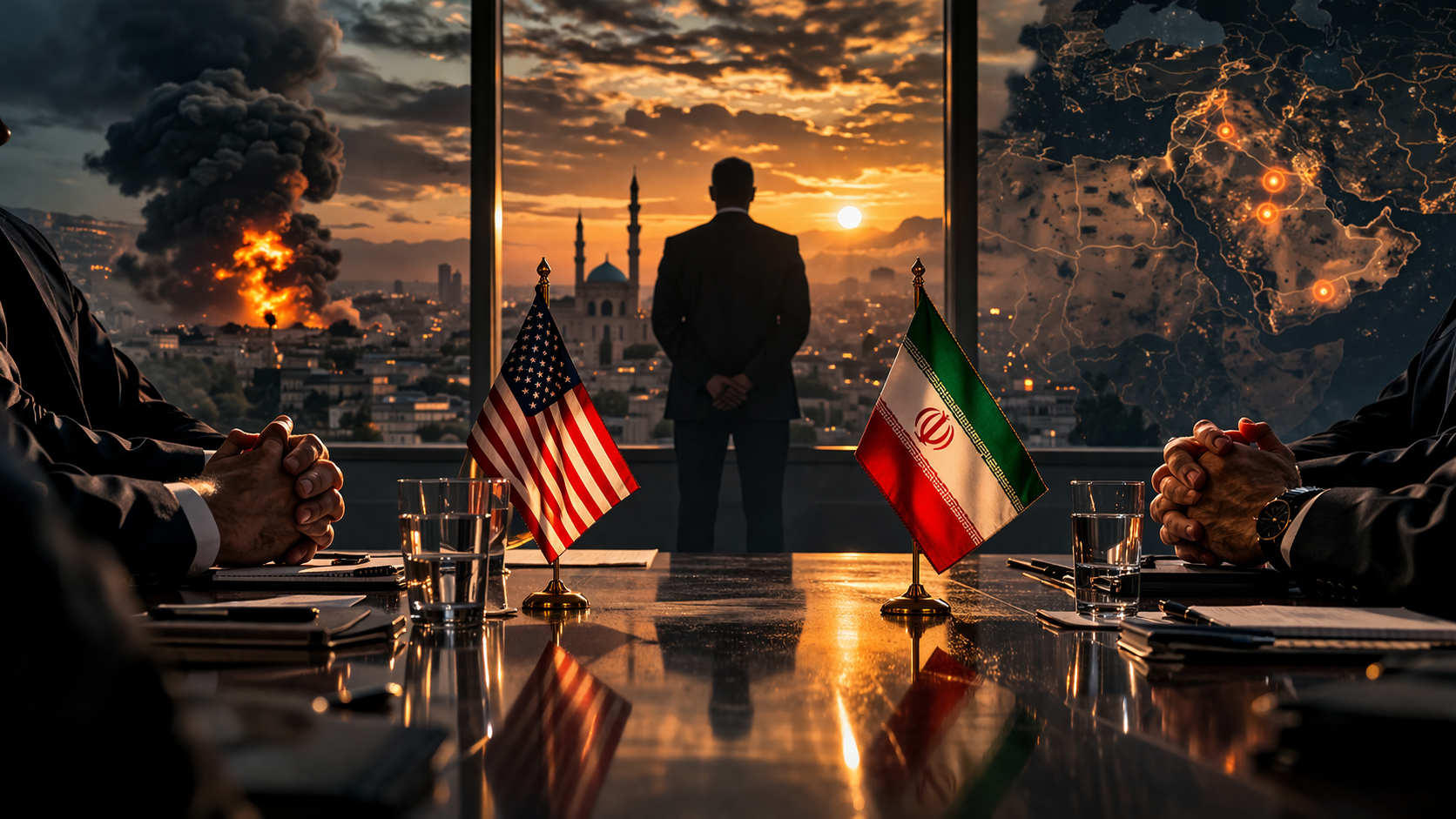
JD Vance boarding Air Force Two ahead of Iran negotiations
High-Stakes Diplomacy: Vance Heads To Pakistan With A Clear Threat To Iran
Amid a fragile ceasefire and rising regional tensions, the United States signals both openness and limits as critical negotiations begin in Pakistan.
A Warning Before The First Handshake
The message came before the talks even began.
As he boarded Air Force Two en route to Pakistan, US Vice President JD Vance delivered a blunt, calculated warning to Iran: negotiate in good faith—or face a very different response.
We’re looking forward to the negotiation. If they try to play us, they will find that the negotiating team is not very receptive.
It was not diplomatic fluff. It was positioning.
Because these talks are not routine diplomacy. They are a last-ditch attempt to stabilize a conflict that has already edged dangerously close to a wider regional war.
Why These Talks Matter More Than They Look
On the surface, the situation is another round of negotiations.
In reality, it is something far more fragile.
A two-week ceasefire is holding—but barely
Iran has continued indirect pressure across the region
Israel’s actions in Lebanon threaten to derail everything
The Strait of Hormuz—critical to global oil—remains a flashpoint
Pakistan, assuming an unusually central diplomatic role, successfully facilitated a meeting between both sides after talks nearly collapsed days earlier.
That alone signals how close this situation came to escalation.
And how easily it could still unravel.
The Real Meaning Of Vance’s Warning
The line—“don’t play us”—is doing more work than it appears.
This is not just rhetoric. It reflects three underlying realities:
1. The US Believes Iran Is Negotiating On Multiple Tracks
American officials increasingly view Iran as internally divided—some factions pushing for negotiation, others continuing aggressive actions in parallel.
The warning targets that ambiguity.
No more mixed signals. No more diplomacy on one hand and escalation on the other.
2. Patience Is Limited
The US has already demonstrated willingness to use force—recent strikes on Iranian targets made that clear.
This negotiation is not open-ended.
It is a narrowing window.
3. This Is About Credibility As Much As Outcome
If Iran is seen to manipulate the process, the US risks looking weak.
If the US overreacts, it risks escalation.
That balance—credibility versus restraint—is the real negotiation happening beneath the surface.
A Region On Edge
These talks are happening against a backdrop that is anything but stable.
Israel’s recent bombardment of Lebanon has already strained the ceasefire framework, triggering outrage and raising fears of a broader conflict.
Iran has signaled it could respond.
Global oil markets are watching nervously.
And every misstep increases the risk that this stops being a contained conflict—and becomes something much larger.
What Media Misses
Most coverage treats this as a simple diplomatic event.
It isn’t.
This is a pressure test of whether diplomacy still works under modern geopolitical conditions.
Multiple actors
Conflicting incentives
Proxy conflicts running in parallel
Domestic politics shaping negotiation behaviour
The real question is not just whether the US and Iran can agree.
It is whether any agreement can hold in a system where not all actors want it to.
What Happens Next
Three paths now sit in front of these talks:
The Most Likely Outcome
A limited, temporary extension of the ceasefire is enough to buy time but not solve underlying tensions.
The Most Dangerous Outcome
A breakdown in talks was triggered by external escalation—most likely via regional actors like Israel or proxy groups.
The Most Underestimated Outcome
A partial deal that shifts focus away from nuclear issues and toward immediate stability—shipping routes, de-escalation, and regional containment.
Each path carries risk.
But only one avoids immediate escalation.
The Real Stakes
This is not just about Iran and the United States.
It is about whether a conflict that has already spread across multiple countries can be contained—or whether it continues to expand.
Vance’s warning makes one thing clear:
The US is still offering an open hand.
But it is no longer offering unlimited patience.
And in a region where miscalculation is often the trigger, not the outcome, that distinction may matter more than anything said at the negotiating table.
