Iran Is Delaying US Talks to Weaken Trump Before Midterms, Officials Say
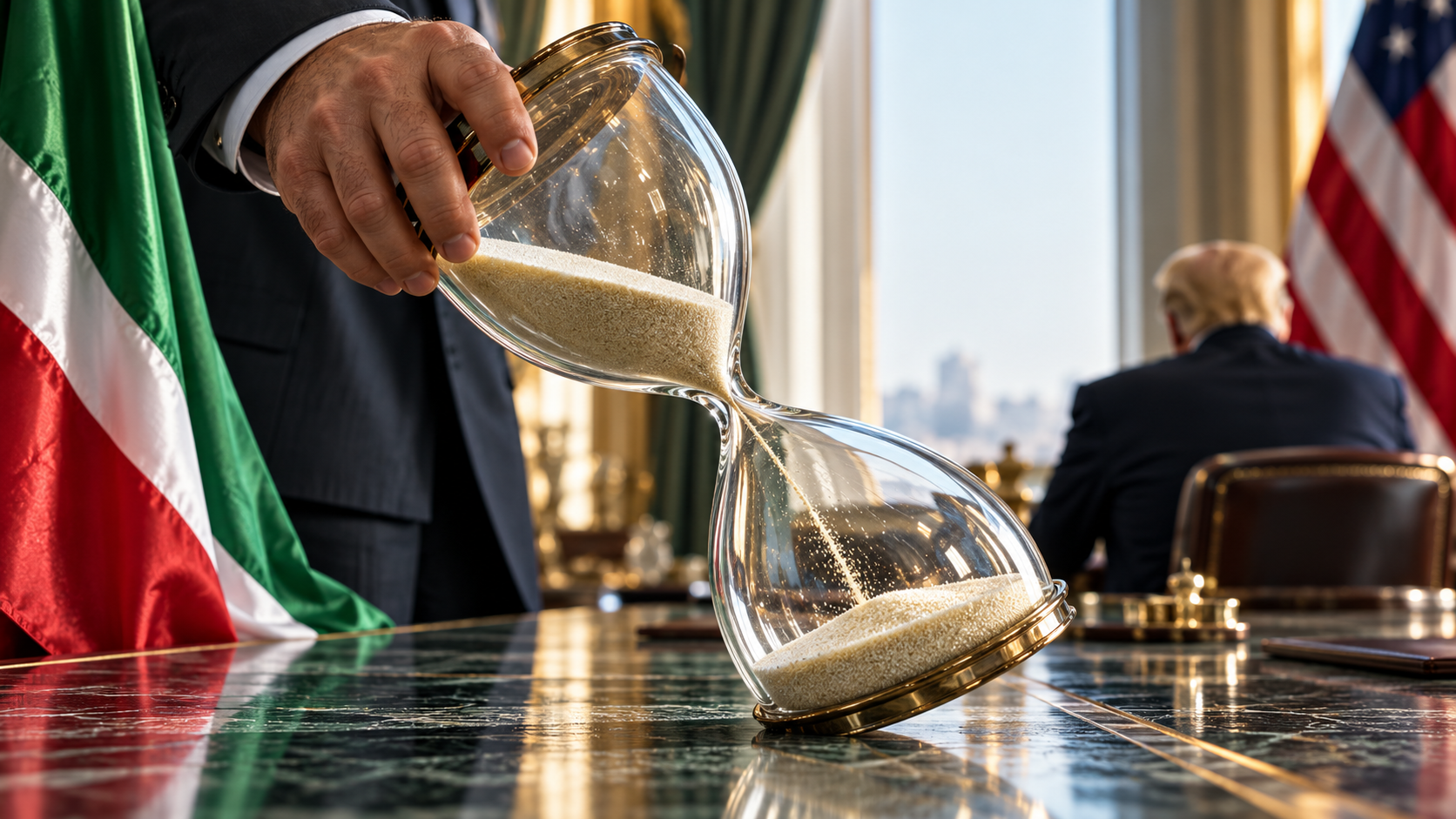
Trump Faces Iran Stalemate as Midterm Vote Approaches
The Price of a Delayed Deal
Anonymous officials describe an electoral calculation, while incompatible nuclear demands leave a substantial obstacle to peace.
Iran is prolonging negotiations partly to deny Donald Trump a political victory before America’s midterm elections, according to three senior Iranian officials and an Iranian insider speaking anonymously. Their account also describes an expectation of renewed attacks and deep distrust of Washington.
That is an account of internal calculations, rather than a published policy committing Iran’s leadership to a particular timetable. It offers an explanation for delay, but does not establish that electoral considerations alone are preventing agreement.
There is a substantive dispute underneath the political argument. Washington wants meaningful nuclear concessions. Tehran rejects the American approach and insists its own conditions must come first. Moving the calendar beyond election day would not settle that disagreement.
A Deal Requires More Than a Date
Vice-President JD Vance has said Iran must reduce its nuclear enrichment capacity to demonstrate that it does not intend to build a weapon. His position calls for a concrete change, rather than an assurance about future intentions.
A senior Iranian official involved in indirect negotiations has described recognition of Iran’s right to enrichment as a red line. Iran denies seeking nuclear weapons.
The distinction matters. Recognising a right, agreeing a permitted enrichment level and verifying compliance are separate negotiating questions. Even if negotiators agreed to meet immediately, they would still need terms that both governments could accept and enforce.
There is also a problem of sequence. If one side demands a concession before relief, while the other demands relief before discussing that concession, talks can continue without approaching a settlement. Each government can say it supports diplomacy while rejecting the first step demanded by its opponent.
Why Congressional Elections Matter
The 3 November vote will determine control of Congress. Trump’s presidency is not itself on the ballot.
A national poll completed on 19 October put his approval at 31 per cent. Among registered voters, Democrats led Republicans by 47 per cent to 35 per cent on the congressional preference question. The online survey included 1,679 adults, of whom 1,279 were registered voters; the respective margins of error were two and three percentage points.
Those figures indicate political pressure. They cannot predict every constituency or establish how many voters have changed their minds because of Iran. National sentiment and the distribution of competitive seats are different things.
For Tehran, the possible attraction of waiting is straightforward: an agreement could give Trump a diplomatic achievement to present to voters. Withholding one denies him that opportunity. Whether doing so changes the outcome is another question.
Hormuz Makes the Dispute International
Negotiations also concern reopening the Strait of Hormuz. The waterway connects the Gulf with international markets, making shipping arrangements consequential far beyond the two countries negotiating.
The argument over control of ships entering Hormuz illustrates why reopening cannot be judged by the announcement alone. Commercial operators need workable rules, dependable passage and confidence that permissions will survive the next confrontation.
An agreement that resumes traffic while leaving enforcement contested could provide immediate relief and still preserve the conditions for another crisis. The practical test would be sustained movement of vessels under terms that governments and operators understand.
A Weaker Trump Might Not Be More Flexible
The main risk in an electoral waiting strategy is assuming that political damage produces diplomatic restraint.
A president facing congressional opposition might have stronger reasons to seek an agreement. He might also conclude that compromise would invite further criticism. Neither response follows automatically from a disappointing result.
Nor would a change in congressional control itself end military operations or write a nuclear settlement. Political pressure can alter incentives without producing the outcome an adversary wants.
Iran therefore cannot assess delay solely through the discomfort it causes Washington. It must also weigh the possibility of failed negotiations, further fighting and a settlement becoming harder to secure.
The next meaningful sign of progress would be an agreed sequence of reciprocal steps: what changes first, how it is checked and what follows if either side fails to comply. Until that exists, an election can change the political setting without bringing peace closer.
Sources
Reuters — Iran Prolongs Talks in Stalemate to Influence US Midterms, Officials Say, 20 October 2026 — Original interviews underlying the anonymous officials’ account; Taylor Tailored has not independently interviewed those officials.
Reuters — Trump’s Approval Falls to Record Low of 31% as Midterms Near, 19 October 2026 — Poll findings, sample and methodological limits.
Reuters via Investing.com — Vance Says Iran Must Cut Enrichment to End War, Updated 7 October 2026 — Vance’s position, Iran’s response and the substantive negotiating dispute.
Next Reads
Iran Reveals Its Price for Reopening Hormuz: Control — The proposed shipping arrangements behind the diplomatic disagreement.
Oil, Dollars and Venezuela: How the Iran War Could Strengthen America — How energy leverage differs from the overall costs and benefits of war.
Iran War to Date: What Led to It, What Happened and What Comes Next — Earlier background to the conflict and its maritime dimension; this is historical context rather than a current situation report.
