Iran Isn’t Negotiating—It’s Rewriting the Terms of the War
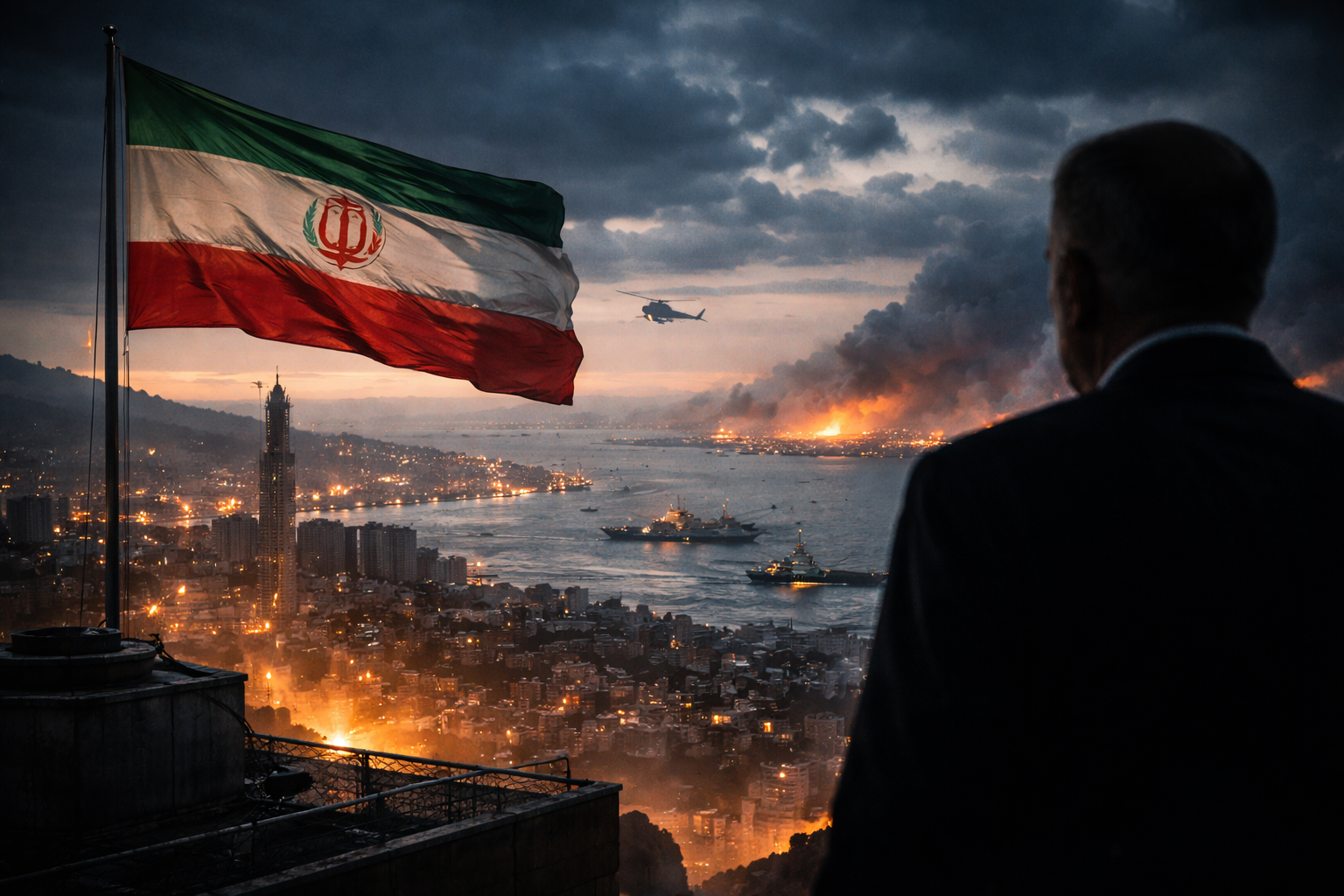
Iran Pushes Back as Diplomacy Narrative Collapses
The War of Words Is Now the War Itself
Iran’s rejection of ceasefire and negotiation narratives isn’t confusion—it’s strategy, and it reshapes what this conflict actually is
The most important development right now is Iran’s denial of what is happening, not Iran’s actions.
Public statements from Tehran are cutting directly against the dominant narrative that negotiations are progressing or that a ceasefire framework is stabilizing the situation. Officials are rejecting key elements outright: no agreement on uranium concessions, no acceptance of a ceasefire framing, no clear timeline for talks.
That contradiction is not noise. It is the signal.
Because once one side denies the very existence—or legitimacy—of a negotiation framework, the entire idea of “progress” collapses.
The Surface Story vs The Real Story
On the surface, there are talks, intermediaries, proposals, and ongoing diplomatic language. There are even acknowledgements that discussions have happened and may continue.
But beneath that, the reality is much harder:
Iran is rejecting core assumptions behind those talks
Iran is refusing key concessions outright
Iran is framing external claims of negotiation as misleading or premature
This matters because diplomacy depends on a shared narrative. Not just shared terms, but a shared belief that a process exists.
That belief is now breaking.
Iran has described major proposals—such as handing over enriched uranium—as a “non-starter,” while simultaneously accusing the other side of taking maximalist positions.
At the same time, officials have made clear that no concrete timeline for further negotiations exists.
In practical terms, that means this:
There may be discussions.
But there is no agreed-upon framework that both sides recognize as real.
Why Iran Is Denying the Narrative
This moment is where the story shifts from diplomacy to strategy.
Iran is not simply rejecting terms. It rejects the framing of the situation itself.
There are three underlying reasons:
1. Avoiding the Appearance of Weakness
Accepting a ceasefire narrative—especially one suggesting external pressure forced negotiations—would signal loss of leverage.
Instead, Iranian officials are positioning the situation as unresolved, contested, and still active.
2. Internal Power Balance
Statements coming from leadership figures reflect competing pressures:
Pragmatists who want a diplomatic exit
Hardliners who reject concessions, particularly on nuclear issues
Public denial of negotiation framing helps maintain internal cohesion by avoiding the appearance of compromise.
3. Strategic Messaging to the Outside World
By rejecting ceasefire narratives, Iran forces uncertainty into markets, diplomacy, and military planning.
It keeps adversaries guessing:
Is this de-escalation? Or is it a pause before escalation?
That ambiguity is power.
The Strait of Hormuz Is the Real Leverage
If the rhetoric is the signal, the Strait of Hormuz is the enforcement mechanism.
Iran has repeatedly closed or restricted the strait in response to pressure, tying any reopening directly to broader demands—including lifting blockades and changing negotiation terms.
The action action is not symbolic.
Roughly one-fifth of global oil supply moves through this route
Disruption has immediate economic consequences
Control of the strait converts military position into global leverage
So when Iran denies a ceasefire narrative while simultaneously tightening control of the strait, the message is clear:
There is no stable pause.
There is only conditional pressure.
What Media Misses
The dominant mistake is treating this as a negotiation that is struggling.
It is not.
It is a negotiation that one side is actively refusing to validate on the other side’s terms.
That is an entirely different situation.
Because in most diplomatic breakdowns, both sides agree talks exist but disagree on outcomes.
Here, the deeper conflict is over reality itself:
Is there a ceasefire process?
Is there a negotiation framework?
Is either side conceding anything meaningful?
Iran’s answer, repeatedly, is no—or at least, not in the way being described.
And once that happens, the concept of “progress” becomes a political claim, not a shared fact.
What Happens Next
Three paths now sit in front of this situation:
Most Likely
Continued ambiguity.
Limited talks continue behind the scenes
Public denial persists
Pressure through economic and military channels continues
This is controlled instability.
Most Dangerous
Narrative collapse turns into real escalation.
If one side believes talks are progressing while the other is preparing for renewed confrontation, miscalculation becomes likely.
Iran has already warned that further violations or pressure could trigger renewed attacks.
Most Underestimated
There is a possibility of a deal being delayed, albeit on entirely different terms.
Iran’s consistent message is not “no deal.”
It is “not this deal.”
That suggests a longer timeline, where:
Immediate ceasefire frameworks fail
Broader, more structural negotiations emerge later
Terms shift away from short-term fixes toward systemic changes
The Real Meaning of This Moment
This moment is not a pause in conflict.
It is a contest over who defines what the conflict is.
If one side claims talks are on and the other says they aren't, diplomacy becomes part of the fight.
And right now, Iran is fighting that battle deliberately.
Not by walking away.
But by refusing to accept the story being told.
Because in conflicts like these, perception is not secondary.
It is leverage.
And whoever controls the narrative is responsible for what happens next.
