Iran’s Retaliation Threat Changes Everything: Why The Strait Of Hormuz Is Suddenly The World’s Most Dangerous Chokepoint
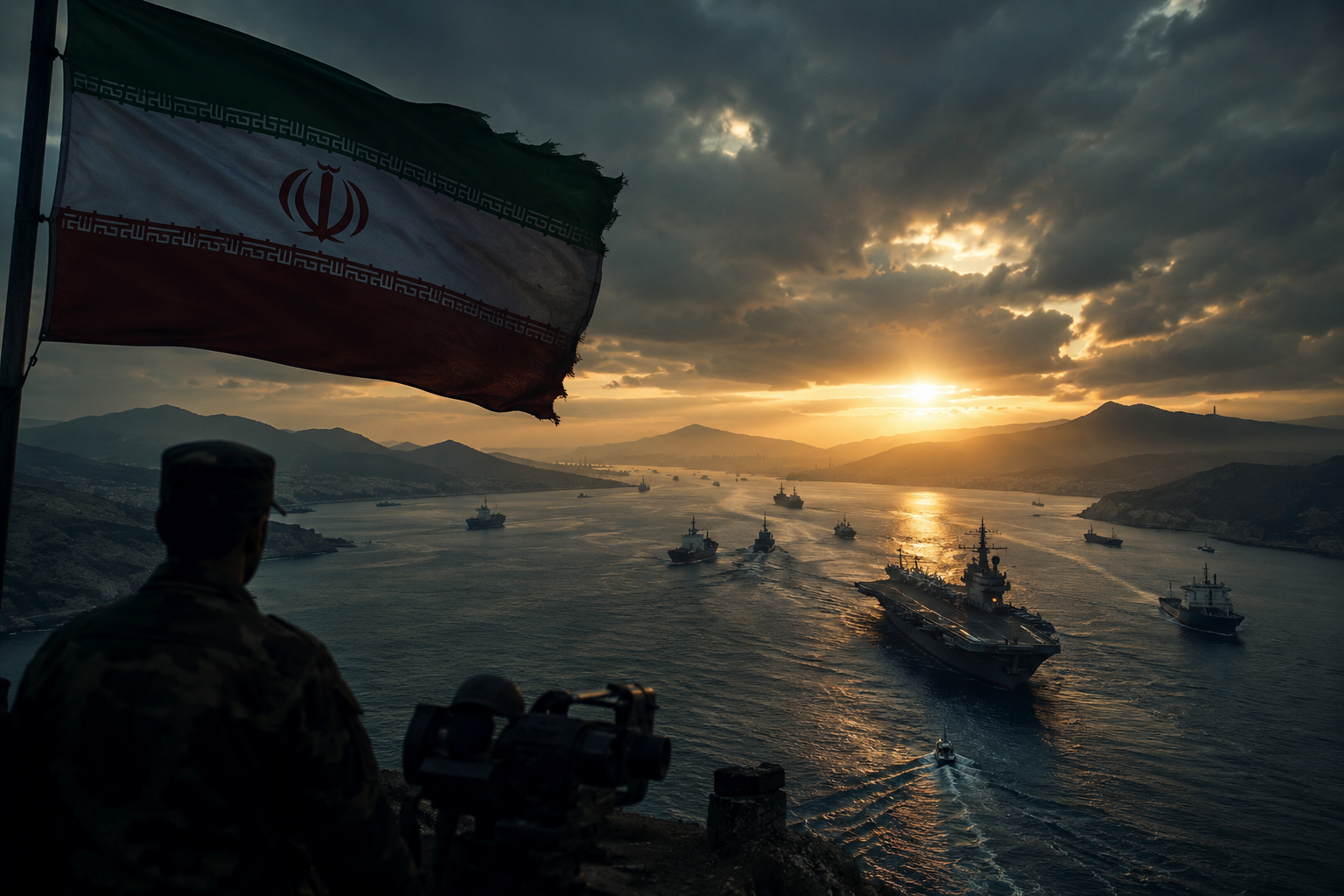
Iran’s Retaliation Threat Changes Everything: Why The Strait Of Hormuz Is Suddenly The World’s Most Dangerous Chokepoint
The Situation Has Moved Beyond A Single Strike
The immediate trigger was straightforward. US forces intercepted Iranian drones that were reportedly approaching maritime traffic near the Strait of Hormuz before launching strikes against Iranian coastal radar facilities. Washington described the operation as defensive and designed to protect shipping routes.
The response from Tehran has been equally predictable but potentially far more consequential. Iranian officials have continued issuing warnings that retaliation remains on the table, while wider tensions around Hormuz, sanctions relief and regional security remain unresolved. The danger is not necessarily an immediate large-scale war. The danger is a cycle of action and reaction that becomes increasingly difficult to control.
Why The Strait Of Hormuz Matters So Much
Most people have never seen the Strait of Hormuz on a map, yet it remains one of the most important waterways on Earth.
The strait connects the Persian Gulf to the wider world and acts as a critical artery for global oil and energy exports. When tensions rise there, shipping companies, insurers, governments and traders all start asking the same question: can vessels still move safely through the region? Even small disruptions can create outsized market reactions because the route is so strategically important.
That explains why military planners focus so heavily on drones, radar systems and surveillance infrastructure. The issue is not simply military capability. It is the ability to monitor, influence and potentially restrict movement through one of the world's most vital trade corridors.
The Economic Risk Is Bigger Than The Military Risk
Military headlines grab attention. Energy shocks change lives.
If shipping becomes more dangerous, transport costs rise. Insurance premiums increase. Energy markets become more volatile. Businesses that depend on stable fuel prices suddenly face uncertainty. Consumers eventually feel the effects through higher costs and broader inflationary pressure.
This is why traders often react to threats before actual disruption occurs. Markets attempt to price future risk rather than current reality. A warning about Hormuz can sometimes matter almost as much as an actual incident because uncertainty itself carries economic consequences.
Iran's Leverage Remains Significant
Iran understands that it does not need to defeat the United States militarily to create strategic pressure.
Its geographic position gives it influence over shipping routes, while regional alliances and proxy relationships create multiple potential pressure points across the Middle East. Previous Iranian statements have included threats involving Hormuz and wider regional infrastructure, highlighting the country's ability to generate uncertainty even when direct confrontation remains limited.
That leverage explains why every escalation receives such close scrutiny. Policymakers are not simply assessing military damage. They are trying to understand whether each new incident increases or decreases the probability of wider disruption.
The Diplomatic Window Is Narrowing
At the same time as military tensions have increased, diplomatic efforts have become more fragile.
Negotiations over sanctions, nuclear issues, regional security and maritime access remain complicated. Recent reports indicate that ceasefire discussions and broader talks have struggled to make meaningful progress, while both sides continue to publicly defend their positions.
History shows that the most dangerous moments often emerge when neither side wants a full-scale conflict but both feel compelled to demonstrate strength. That dynamic creates a persistent risk of miscalculation, particularly when military assets operate in close proximity and political pressure is high.
What Happens Next Matters More Than What Happened Today
The radar sites that were struck are important. The drones that were intercepted are important. But neither may ultimately define this story.
The real issue is whether retaliation remains rhetorical or becomes operational. Markets, governments and military planners are now watching for signs that Iran intends to expand pressure on shipping, energy infrastructure or regional targets. Any such move would immediately raise the stakes and potentially trigger further responses.
That is why this story deserves attention beyond the usual geopolitical audience. What appears to be a regional military exchange has the potential to affect energy prices, inflation, supply chains and global economic confidence. In an interconnected world, a narrow waterway thousands of miles away can still shape what happens at the fuel pump, in financial markets and across the wider economy.
