Putin Shuts Down Zelenskyy Summit Bid As Russia Doubles Down On War Goals
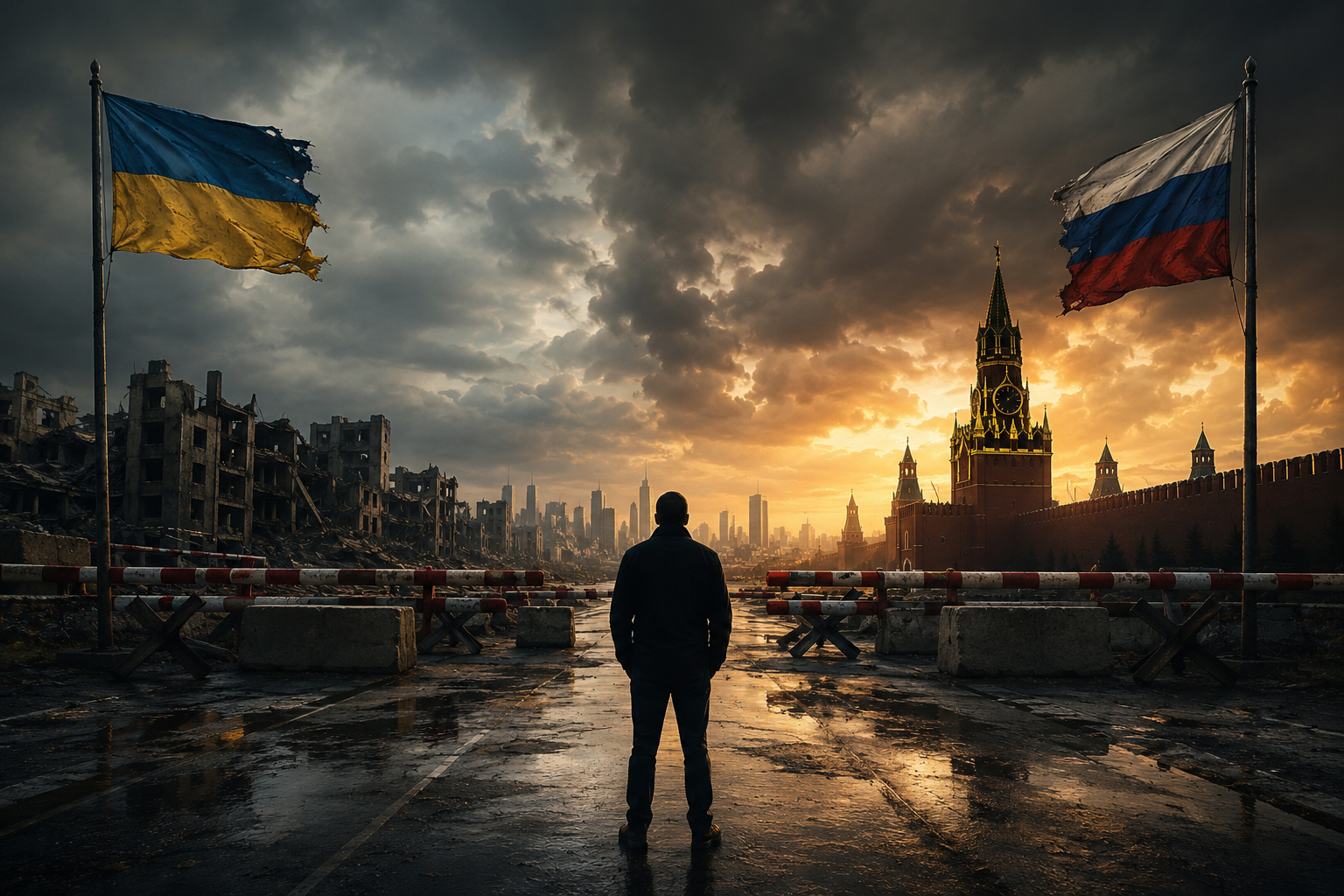
Peace Talks Hit A Wall As Putin Rejects Face-To-Face Meeting With Zelenskyy
Putin’s Answer Was Clear
The latest diplomatic opening in the Ukraine war closed almost as quickly as it appeared. After Ukrainian President Volodymyr Zelenskyy proposed a direct meeting aimed at discussing an end to the conflict, Russian President Vladimir Putin publicly rejected the idea, arguing that there was currently “no point” in such a summit.
The rejection is significant because leader-to-leader talks are often viewed as the ultimate mechanism for breaking deadlocks that lower-level negotiators cannot solve. Instead, Moscow signalled that any meaningful discussions would need to happen only after extensive groundwork had already produced a framework acceptable to Russia.
The Real Problem Is Not The Meeting
At first glance, the story appears to be about whether two leaders will sit in the same room. In reality, the deeper issue is that both sides continue to disagree on the fundamental conditions required for peace.
Zelenskyy has argued for negotiations built around current battlefield realities and a ceasefire framework. Russia continues to insist that its strategic objectives remain unchanged and has reiterated its determination to secure control over territories it claims as part of the Russian Federation.
That means a summit alone would not solve the core dispute. Even if a meeting took place tomorrow, the gap between the two sides remains enormous.
Russia Is Signalling Confidence
Perhaps the most important takeaway from Putin’s comments is what they suggest about Moscow’s current assessment of the war. Leaders who believe they are losing ground often become more flexible. Leaders who believe time is working in their favour tend to make fewer concessions.
By rejecting the proposal while simultaneously reaffirming Russia’s objectives, the Kremlin is signalling that it does not currently feel compelled to alter its position. Russian officials continue to argue that battlefield developments and long-term strategic realities support their approach.
Whether that assessment proves correct is another question entirely, but it helps explain why direct talks remain elusive.
Ukraine Wants To Increase Pressure
From Kyiv’s perspective, the rejection serves a different purpose. Ukrainian officials have argued that Russia’s refusal demonstrates a lack of genuine interest in ending the conflict through negotiations.
Zelenskyy has framed direct talks as an opportunity to test whether Moscow is prepared for a diplomatic solution. By publicly offering a meeting and receiving a rejection, Ukraine can point to Russia’s response as evidence that international pressure should continue rather than ease.
That battle over perception matters almost as much as events on the battlefield. Support from allies, economic assistance, sanctions policy, and military aid are all influenced by how governments interpret the diplomatic behaviour of both sides.
The War Continues To Shape The Negotiations
The timing of the exchange is also important. It comes as long-range attacks continue on both sides, with Ukraine demonstrating an increasing ability to strike targets deep inside Russian territory while Russia maintains pressure across multiple fronts.
History shows that peace negotiations rarely occur in isolation from military realities. Every successful strike, territorial gain, or strategic setback influences how leaders calculate the risks of compromise.
As long as both governments believe they can improve their position through continued military action, the incentive to make major concessions remains limited.
Why This Matters Beyond Ukraine
The significance of this rejection extends far beyond a single proposed meeting. It highlights a broader reality that has defined the conflict for years: the war remains trapped between diplomacy and military escalation.
International actors continue searching for a pathway toward negotiations, yet the core disagreement has not changed. Ukraine wants security guarantees and an end to the invasion. Russia continues to insist on outcomes that Kyiv considers unacceptable. Until those positions move closer together, summit diplomacy risks becoming symbolic rather than transformational.
For now, the most important message from this episode is not that a meeting failed to happen. It is that the political distance between Moscow and Kyiv remains almost as vast as the geographical distance separating them.
