Japan Sounds Alarm Over China’s Military Surge As Indo-Pacific Tensions Intensify
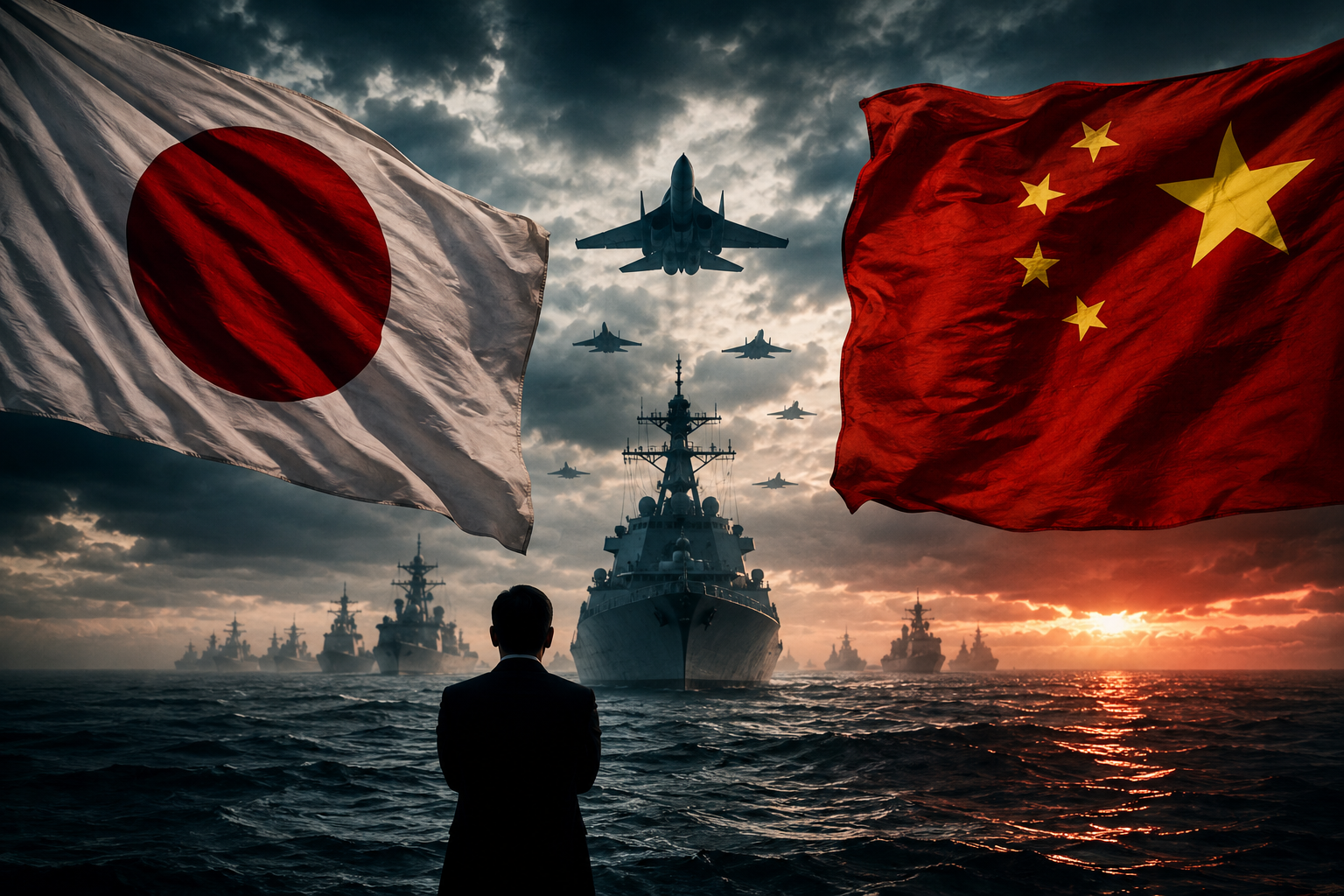
A New Asian Power Struggle? Japan Publicly Challenges China’s Military Expansion
The Remark That Captured Global Attention
At the Shangri-La Dialogue security forum in Singapore, Japan’s Defence Minister, Shinjiro Koizumi, publicly accused China of rapidly expanding its military capabilities without adequate transparency. The comments came during one of the most significant defence gatherings in the world, where military leaders, ministers and strategic planners meet to discuss the future of regional security.
Koizumi argued that China continues to increase defence spending while expanding military capabilities across multiple domains. He described these developments as a matter of serious concern not only for Japan but also for the wider international community.
The comments were notable not simply because of what was said, but because of where they were said. The Shangri-La Dialogue has become one of the most influential security forums in the Indo-Pacific, making it a stage where strategic messages are often directed far beyond the conference hall itself.
A Growing War Of Narratives
The exchange did not occur in isolation. China has spent months accusing Japan of pursuing what Beijing describes as a form of renewed militarism, criticism that has intensified as Tokyo increases defence spending and strengthens military partnerships across the region.
Koizumi directly rejected those accusations. He argued that Japan remains committed to international law and its post-war identity while questioning why a nation without nuclear weapons or strategic bombers is being labelled militaristic by a country possessing both capabilities.
This reflects a broader battle for influence and legitimacy. Both governments are attempting to shape how neighbouring countries interpret the region’s changing security landscape. The dispute is no longer purely military. It is also about perception, credibility and leadership.
The Bigger Issue Behind The Headlines
The deeper concern is not simply whether China is expanding its military. Few analysts dispute that it is. The question is how quickly that expansion is occurring and what strategic objectives ultimately sit behind it.
Japan’s concerns mirror wider anxieties across the Indo-Pacific. Governments throughout the region are investing more heavily in defence capabilities, expanding partnerships and reviewing military strategies as they assess China's growing power.
Several nations now view regional security through the lens of deterrence rather than assumption. The era when economic integration alone was expected to reduce geopolitical competition appears increasingly distant. Strategic planners are instead focusing on resilience, military readiness and alliance-building.
Why Taiwan Remains The Unspoken Centre Of The Debate
Although the discussion covered many issues, Taiwan remains one of the most important underlying factors.
Japanese leaders have increasingly argued that instability around Taiwan could have direct consequences for Japan’s security environment. Those comments have triggered strong responses from Beijing, which regards Taiwan as an internal matter and opposes foreign involvement.
This helps explain why defence discussions that might once have focused on budgets or procurement are now framed in much broader terms. Military expansion is being viewed through the potential lens of future crises, contingency planning and regional deterrence.
For many governments, the question is no longer whether security risks exist. The debate has shifted toward how prepared countries should be if those risks become reality.
The Indo-Pacific Is Entering A New Strategic Era
One of the clearest messages emerging from the Singapore forum was that many countries are seeking deeper defence cooperation regardless of their relationship with either Washington or Beijing. Nations across the region are strengthening military ties, conducting more exercises and exploring new security partnerships.
Japan has become one of the most active participants in that trend. Defence reforms, increased spending and greater regional engagement all reflect a belief that the strategic environment has fundamentally changed.
China, meanwhile, argues that its military development is legitimate and necessary for protecting national interests. The challenge is that neighbouring states often interpret the same actions very differently, creating a cycle of mistrust that becomes increasingly difficult to break.
The Real Significance Of This Moment
The most important takeaway from the exchange is not that Japan criticised China. Similar criticisms have been made before.
What matters is that such statements are becoming more direct, more public and more frequent. Language that might once have been delivered behind closed diplomatic doors is now being expressed openly at major international forums.
That shift suggests the strategic competition shaping the Indo-Pacific has entered a new phase. Military capability, alliance structures, technology, supply chains and regional influence are becoming increasingly interconnected.
Whether tensions eventually stabilise or continue to escalate remains uncertain. What is clear is that the balance of power debate now dominates the region’s security agenda, and both Japan and China appear determined to shape how that future unfolds.
