Netanyahu Hardens Nuclear Demands As Iran Refuses To Give Up Enriched Uranium
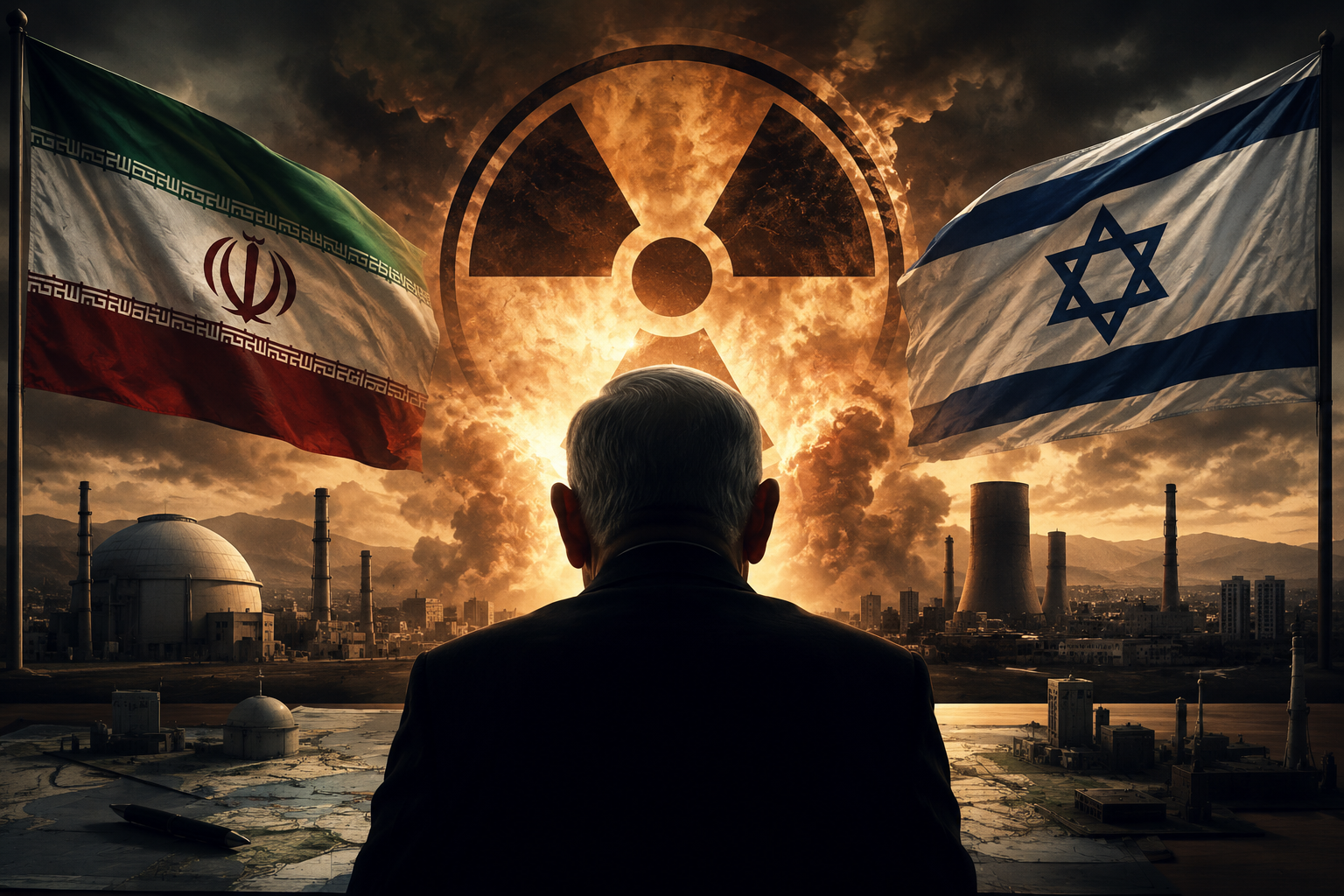
Netanyahu’s New Nuclear Demand Could Push The Middle East Back Toward Crisis
Netanyahu’s Position Just Became Much Harder
Israeli Prime Minister Benjamin Netanyahu has publicly reinforced one of the toughest possible positions on Iran’s nuclear program: enriched uranium must leave Iran entirely, and Iran must lose the ability to enrich nuclear material domestically.
That matters because it pushes the negotiations far beyond older nuclear agreements that focused mainly on limiting enrichment levels, monitoring facilities, and slowing breakout timelines. Netanyahu’s position now points toward something much closer to total dismantlement.
The timing is critical. A fragile diplomatic process is still developing around ceasefire discussions, sanctions relief, the Strait of Hormuz, and Iran’s nuclear future. But the deeper reality underneath the headlines is becoming harder to ignore: the gap between what Israel wants and what Iran is willing to accept may still be enormous.
Iran’s leadership has simultaneously hardened its stance, insisting that highly enriched uranium must remain inside the country.
That creates a direct conflict.
The Uranium Fight Is The Real Core Of The Crisis
For years, the central argument inside the Iran nuclear dispute has revolved around uranium enrichment.
Iran argues that civilian nuclear enrichment is a sovereign right under international agreements and insists its program is for energy, research, and medical use. Israel views the enrichment infrastructure itself as the core danger, because the technical pathway from civilian enrichment to weapons-grade capability can become alarmingly short once advanced centrifuges and large stockpiles already exist.
This is why the current dispute matters so much.
Iran reportedly still possesses significant quantities of uranium enriched to 60% purity—dangerously close to weapons-grade levels. International monitoring estimates suggest the stockpile remains large enough to keep global concerns extremely high.
Netanyahu’s position appears rooted in one core calculation: if the infrastructure survives, Israel believes the threat survives too.
That changes the entire psychology of the negotiations. The issue is no longer simply slowing Iran down. It is about whether Iran can retain the industrial foundations of a future nuclear threshold state.
The Deal Suddenly Looks More Difficult Than It Did Days Ago
Only days ago, optimism around a broader de-escalation deal appeared to be growing.
Discussions reportedly included sanctions relief, reopening trade routes, stabilizing the Strait of Hormuz, and extending ceasefire arrangements.
But the uranium issue now threatens to dominate everything else.
Iranian officials have reportedly made clear that they have not agreed to surrender enriched uranium stockpiles or fully abandon enrichment capability.
At the same time, Netanyahu is publicly signaling that anything short of complete rollback may be unacceptable from Israel’s perspective.
That creates a dangerous diplomatic structure where both sides increasingly frame compromise itself as weakness.
The deeper risk is that the negotiations may now become trapped between incompatible strategic goals rather than negotiable technical details.
Why Israel Sees This As Existential
Inside Israel’s security doctrine, Iran’s nuclear capability is not treated as a normal geopolitical issue. It is treated as a long-term existential threat.
Netanyahu has spent years arguing that once Iran reaches advanced enrichment capability and stockpile scale, the difference between “civilian” and “military” potential becomes dangerously thin.
That explains why Israeli demands now extend beyond simple monitoring agreements.
From Israel’s perspective, even temporary pauses or partial restrictions may only delay a future crisis rather than solve it permanently. The concern is not merely whether Iran builds a bomb tomorrow. The concern is whether Iran permanently acquires the capability to become a threshold nuclear power under political cover.
This is also why the military dimension matters so much.
Israeli officials appear determined to preserve operational freedom even while negotiations continue. Netanyahu reportedly told Donald Trump that Israel must remain free to act against threats regardless of future diplomatic arrangements.
That sentence may end up being one of the most important details in the entire story.
Iran’s Position Is Hardening Too
Iran’s leadership does not appear to view the recent military pressure as a reason to surrender nuclear leverage.
In fact, the opposite may now be happening.
Senior Iranian figures reportedly believe exporting enriched uranium would leave Iran more vulnerable to future attacks and pressure campaigns.
That logic is critical because it shifts the issue from technical negotiation into national survival psychology.
Iran’s leadership appears increasingly convinced that retaining enrichment capability is not merely about science or energy policy. It is about deterrence, sovereignty, and strategic insurance.
That dramatically reduces the room for compromise.
The more pressure Iran faces, the more the regime may psychologically tie nuclear capability to its own security.
The Real Danger Is What Happens If Diplomacy Fails Again
The current situation feels dangerously unstable because all sides appear to understand the stakes—but still remain fundamentally divided on the solution.
The United States appears to want a negotiated framework that avoids a wider regional war while reducing nuclear escalation risks. Israel appears focused on ensuring Iran never retains meaningful enrichment capability. Iran appears determined not to surrender strategic leverage after years of sanctions, covert conflict, assassinations, and military pressure.
That triangle is extraordinarily difficult to reconcile.
The most dangerous part of the situation is that both diplomacy and military escalation now seem plausible simultaneously.
Official negotiations continue. Ceasefire frameworks are still being discussed. Economic openings remain possible. Yet at the same time, leaders are publicly reinforcing red lines rather than softening them.
And that is usually when geopolitical crises become most unpredictable.
The story is no longer simply about uranium enrichment percentages or centrifuge counts. It is about whether the region is heading toward a genuine long-term settlement—or merely a temporary pause before the next confrontation.
