Suddenly the World Wants Russian Oil Again—As The War Upends Global Energy
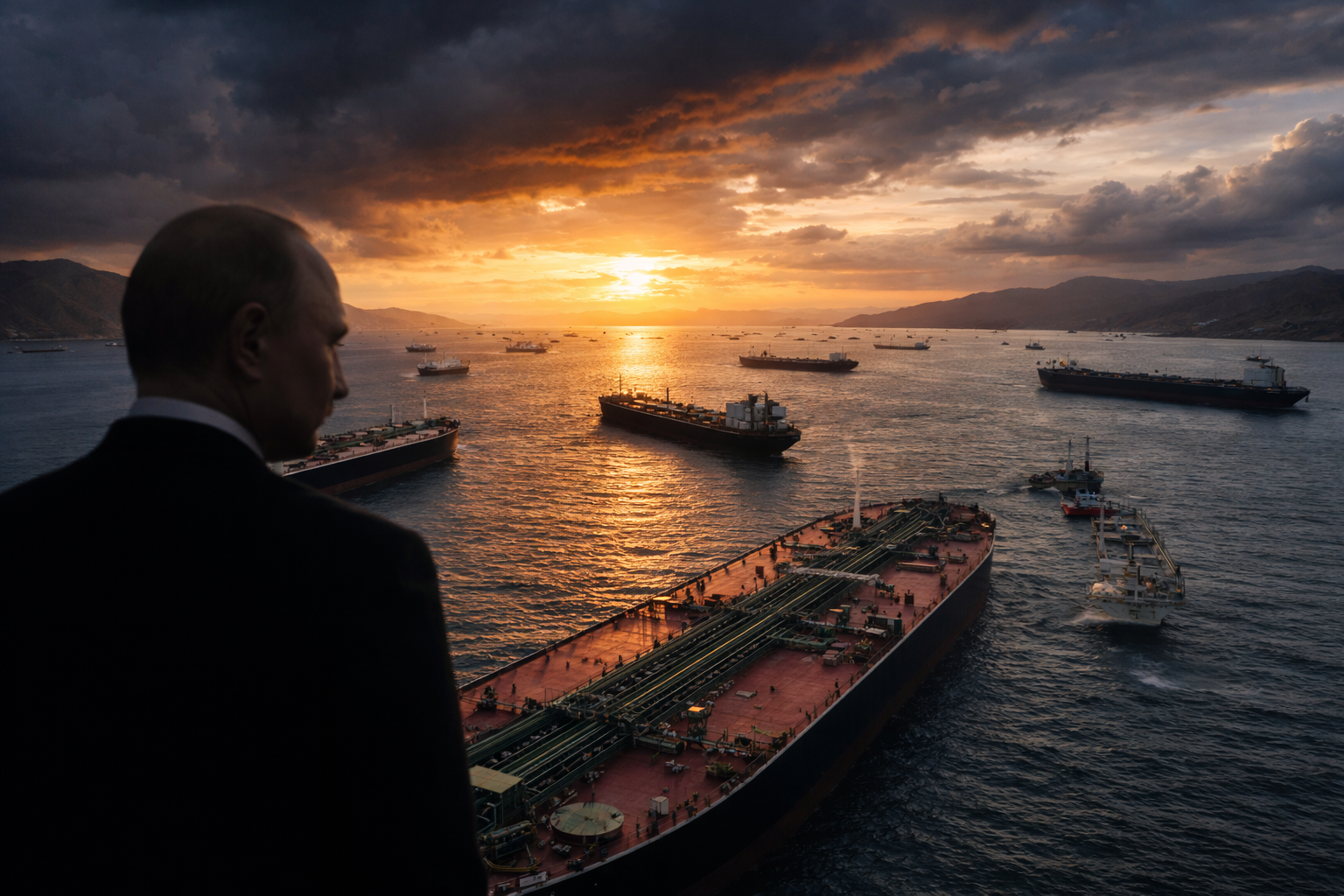
War Disrupts Oil Routes — And Russian Energy Surges Back
Global Energy Shock: War Sends Countries Back to Russian Oil
The widening Middle East war is reshaping global energy markets at extraordinary speed. This week, oil prices have surged sharply, disrupting shipping routes, and governments are scrambling to secure supply.
In the middle of that scramble sits an uncomfortable reality: demand for Russian oil and gas is rising again.
Moscow says global buyers are turning back to Russian energy as conflict in the Middle East disrupts traditional supply routes. The sudden shift highlights a strategic paradox—sanctions were meant to isolate Russia’s energy exports, yet war elsewhere is pulling them back into the center of the market.
The key trigger is the disruption of the Strait of Hormuz, one of the world’s most important oil chokepoints. Roughly a fifth of global oil supply normally moves through the strait, and the conflict has sharply reduced shipments, tightening supply worldwide.
This shock has forced importers to look for alternatives quickly. Russian crude, already flowing through global markets at discounted prices since the Ukraine war, is suddenly one of the easiest supplies to scale up.
The story turns on whether geopolitical crisis will quietly undo years of Western efforts to isolate Russian energy.
Key Points
Demand for Russian oil and gas is rising as the war disrupts global supply routes and energy infrastructure.
The Strait of Hormuz—a vital oil shipping chokepoint—has been heavily disrupted, cutting off a major portion of global supply.
Oil prices have surged sharply this week as traders price in possible long-term disruption.
Some governments are already loosening restrictions on Russian oil purchases to stabilize global energy markets.
The shift could boost Moscow’s revenues and geopolitical leverage despite ongoing sanctions related to the Ukraine war.
Global energy markets have been under strain since Russia’s full-scale invasion of Ukraine in 2022 triggered sweeping Western sanctions against Moscow’s oil and gas sector.
Those sanctions aimed to reduce Russia’s energy revenues while keeping global supply stable. Western governments introduced price caps and trade restrictions designed to limit profits without removing Russian oil entirely from the market.
The strategy worked only partially.
Russia continued exporting large volumes of crude oil by redirecting shipments toward Asia, particularly China and India, often at steep discounts. In fact, export volumes have remained above pre-war levels even while revenues declined due to lower prices.
Meanwhile, the global energy system adapted.
New shipping routes emerged. “Shadow fleets” of tankers carried sanctioned oil. Buyers in Asia became the dominant market for Russian crude.
Then the Middle East conflict erupted.
With production disrupted and the Strait of Hormuz under pressure, global supply suddenly tightened—and Russian energy became strategically valuable again.
Political and Geopolitical Dimensions
Energy has always been a geopolitical weapon.
For Russia, rising demand during a Middle East conflict provides a rare strategic advantage. Moscow gains additional revenue and leverage just as Western attention shifts toward a new war.
Meanwhile, Western governments face a dilemma.
They want to maintain pressure on Russia over Ukraine, but they also need to prevent a global energy crisis. Some policy moves already reflect that tension, including temporary waivers allowing certain purchases of Russian oil to stabilize markets.
Several scenarios are now possible.
One path is a temporary market adjustment. Countries buy more Russian energy while Middle Eastern supply remains disrupted.
Another path is a structural shift. If the war continues and Hormuz remains unstable, Russian oil could regain a more permanent share of global markets.
The key signposts to watch include:
Shipping traffic through the Strait of Hormuz
Decisions on sanctions enforcement
Energy purchases by India and China
Each will determine whether the demand surge becomes a lasting geopolitical shift.
Economic and Market Impact
The most immediate impact is visible in oil prices.
Global crude benchmarks have jumped sharply during the conflict, with weekly gains among the largest since the pandemic era.
Markets react quickly to supply shocks because oil demand is relatively inflexible in the short term. Countries cannot easily replace energy sources overnight.
When supply tightens, prices spike—and alternative producers benefit.
Russia is uniquely positioned to take advantage of this moment for several reasons:
It has large spare export capacity.
Its crude is already deeply integrated into Asian refining systems.
Buyers are familiar with the logistics of Russian shipments.
As a result, traders are increasingly treating Russian oil as a stabilizing supply rather than a sanctioned commodity.
Technological and Security Implications
The conflict is also highlighting the vulnerability of global energy infrastructure.
The Strait of Hormuz functions as a narrow artery for oil and liquefied natural gas shipments. When military conflict threatens that route, energy markets react instantly.
This vulnerability reinforces several long-term trends.
Countries are accelerating diversification of supply routes, building strategic petroleum reserves, and investing in alternative energy.
Yet those structural changes take years.
In the immediate term, governments must rely on whatever supply is available—including politically controversial sources.
What Most Coverage Misses
Most reporting focuses on rising oil prices or supply disruptions.
But the deeper story is about logistics.
Global energy markets cannot easily rewire themselves during a crisis. Refineries are designed for specific crude grades, shipping routes are fixed, and energy infrastructure moves slowly.
Russian crude already fits into many of the refineries now scrambling for supply.
That means Russian energy does not just fill a political gap—it fills a technical one.
Refineries that previously adapted to process Russian oil after 2022 can ramp up purchases far faster than they could switch to entirely new suppliers.
This infrastructure lock-in explains why Russian energy can regain demand so quickly during global disruptions.
Why This Matters
In the short term, the surge in demand for Russian energy may help stabilize global markets by replacing lost Middle Eastern supply.
But it also weakens the economic pressure that sanctions were meant to impose.
If Russian energy exports rise significantly, Moscow could see increased revenues at a time when it remains heavily engaged in the Ukraine war.
Over the longer term, the episode highlights a deeper structural problem.
The global economy still depends heavily on oil transported through a handful of vulnerable routes.
Until energy systems diversify further, geopolitical shocks will continue to reshape markets in unpredictable ways.
Key developments to watch include:
Whether the Strait of Hormuz reopens fully
Further sanctions decisions by Western governments
Oil purchase agreements between Russia and Asian importers
The Energy Shock That Could Redraw Global Markets
This crisis is not only about war in the Middle East.
It is about the fragile architecture of the global energy system.
When one major supply corridor breaks, markets do not simply adjust—they search for the fastest replacement.
Right now, that replacement is Russian oil.
Whether the surge in demand lasts weeks or years will depend on how long the conflict disrupts Middle Eastern energy flows—and whether governments are willing to sacrifice energy security for geopolitical pressure.
If the disruption continues, the world may discover that isolating one of its largest energy exporters is far harder than policymakers once believed.
